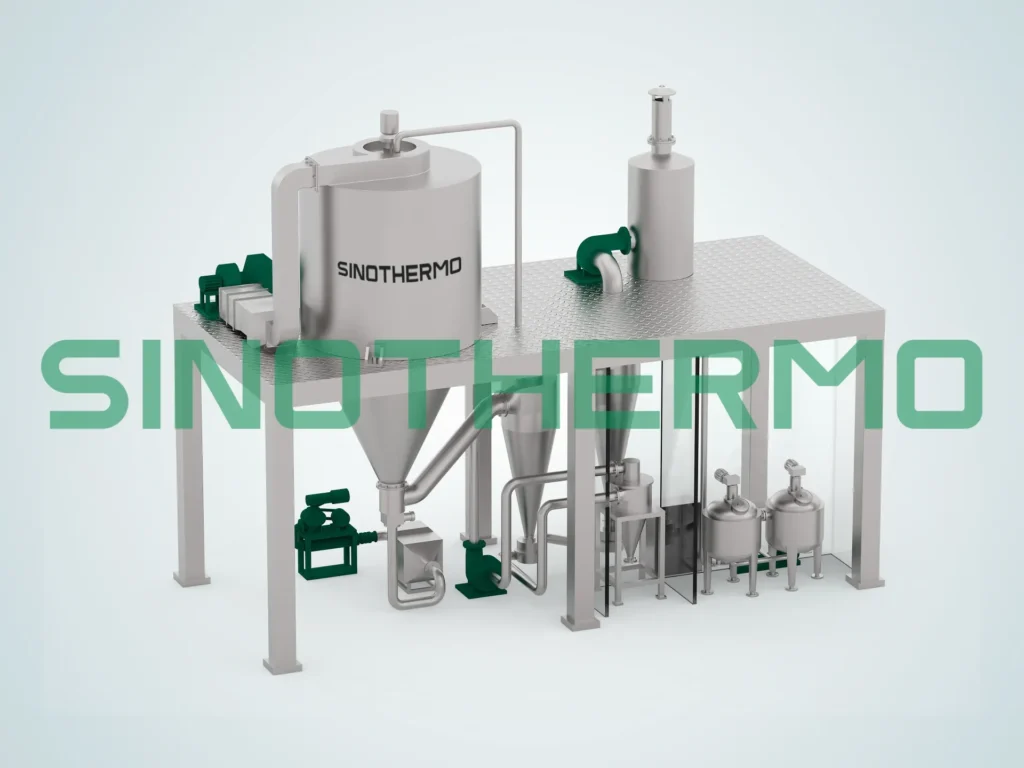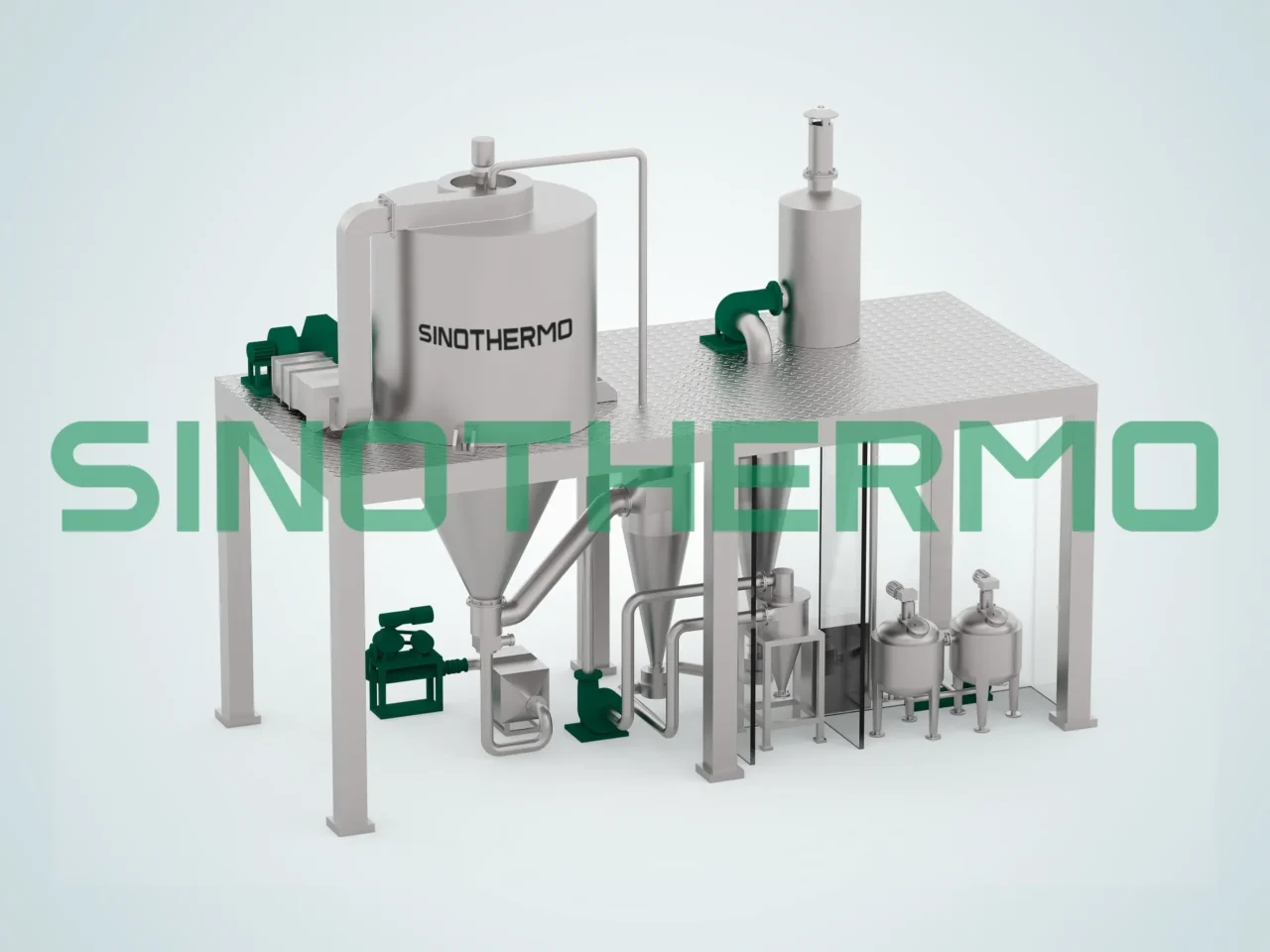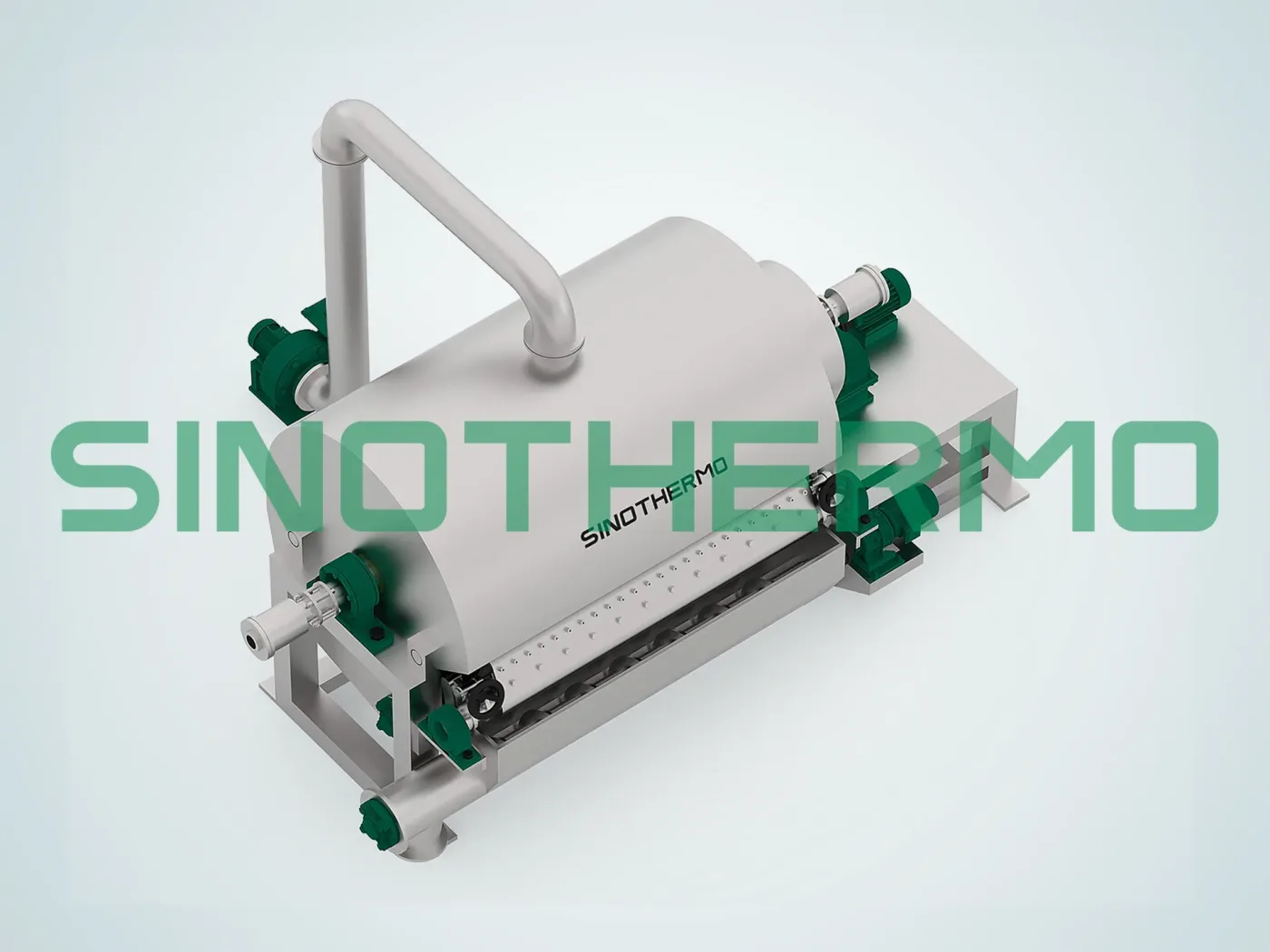
Барабанная сушилка — также называемая роликовой сушилкой — превращает жидкости, суспензии и пасты в хлопья или порошок, распределяя тонкую пленку по поверхности медленно вращающегося, внутренне обогреваемого металлического барабана. Пока барабан вращается, пленка высыхает за секунды, соприкасаясь с горячей поверхностью; затем неподвижный нож соскребает высохший слой, который измельчается до требуемого размера хлопьев или порошка. Это один из самых зрелых и энергоэффективных типов сушилок, которые когда-либо создавались, и он прекрасно справляется именно с вязкими, липкими материалами, которые забивают или выводят из строя распылительную сушилку. Для инженеров-технологов, сравнивающих барабанную сушилку с распылительной или выбирающих между однобарабанной и двухбарабанной сушилкой, это руководство расскажет о принципе работы машины, её преимуществах и о том, как подобрать правильную конфигурацию для вашего материала.
Как работает процесс барабанной сушки
Процесс барабанной сушки — это контактная сушка в чистом виде: тепло передаётся через стенку барабана непосредственно в тонкую пленку продукта, поэтому почти вся энергия используется по назначению, а не тратится на нагрев большого объёма воздуха. Цикл выполняется непрерывно и состоит из четырёх этапов.
- 1.Нанесение пленки. Тонкий, равномерный слой сырья наносится на поверхность барабана путём его погружения в поддон с сырьём, распылением или разбрызгиванием, либо через зазор между валками. Равномерность пленки на этом этапе определяет всё дальнейшее — неравномерная пленка сохнет неравномерно и снимается рваными кусками.
- 2.Контактная сушка. Барабан обогревается изнутри, как правило, насыщенным паром (типичный диапазон температуры рубашки составляет примерно 120–175 °C в зависимости от продукта; для конкретного материала требуется уточнение — TBC). Тепло передаётся через стенку барабана в пленку, и влага испаряется за считанные секунды, поскольку толщина пленки составляет лишь доли миллиметра.
- 3.Соскребание. Когда барабан завершает большую часть оборота, неподвижный скребковый нож (доктор-лезвие) снимает высохший слой с поверхности в виде непрерывной ленты.
- 4.Измельчение. Высохший лист измельчается до заданного размера хлопьев или порошка, после чего направляется на упаковку.
Поскольку пленка тонкая, а контакт прямой, время пребывания материала на барабане крайне мало — секунды, а не минуты — именно это во многом обеспечивает высокую тепловую эффективность роликовой сушилки.
Однобарабанная сушилка против двухбарабанной сушилки
Самый важный выбор конфигурации — это количество барабанов и способ подачи сырья на них. Обе схемы используют один и тот же принцип контактной сушки; различия заключаются в том, как задаётся толщина пленки, в производительности и в типах сырья, для которых они наиболее подходят.
| Характеристика | Однобарабанная сушилка | Двухбарабанная сушилка |
|---|---|---|
| Барабаны | Один нагреваемый барабан | Два барабана, вращающиеся друг к другу |
| Способ подачи сырья | Погружение, распыление, разбрызгивание или нанесение валками | Подача в зазор между двумя барабанами |
| Контроль толщины пленки | Задаётся нанесёнными валками / способом подачи | Точно задаётся зазором между валками |
| Производительность | Ниже | Выше, более равномерная |
| Оптимально для | Паст с высокой вязкостью; гибкая подача сырья | Свободнотекучих суспензий, требующих точного и равномерного контроля толщины пленки |
Однобарабанная сушилка использует один нагреваемый барабан, при этом сырьё подаётся путём погружения, распыления, разбрызгивания или с помощью валков-аппликаторов, которые также задают толщину пленки. Она обеспечивает гибкость в подаче сложных высоковязких паст на барабан, но при этом имеет более низкую производительность. Двухбарабанная сушилка использует два барабана, вращающихся друг к другу с образованием узкого зазора; сырьё, подаваемое в этот зазор, дозируется сразу в две тонкие пленки, поэтому зазор между валками очень точно задаёт толщину пленки, а производительность становится выше и более равномерной. Свободнотекучие суспензии, требующие точного контроля толщины пленки, — классический случай для применения двухбарабанной сушилки.
SINOTHERMO производит как одинарные, так и двухбарабанные конфигурации, а для термочувствительных продуктов, которые не переносят контакт с горячей поверхностью при атмосферном давлении, применяетсяВакуумная сушилка с мешалкой-скребком барабанного типа, которая использует тот же принцип соскабливания и образования хлопьев, но в условиях вакуума, снижая температуру кипения и позволяя сушить продукт при значительно более низкой температуре. Более полный обзор контактных и вакуумных решений можно найти в нашемруководстве по промышленным вакуумным сушилками в разделе«Контактные и вакуумные сушилки».
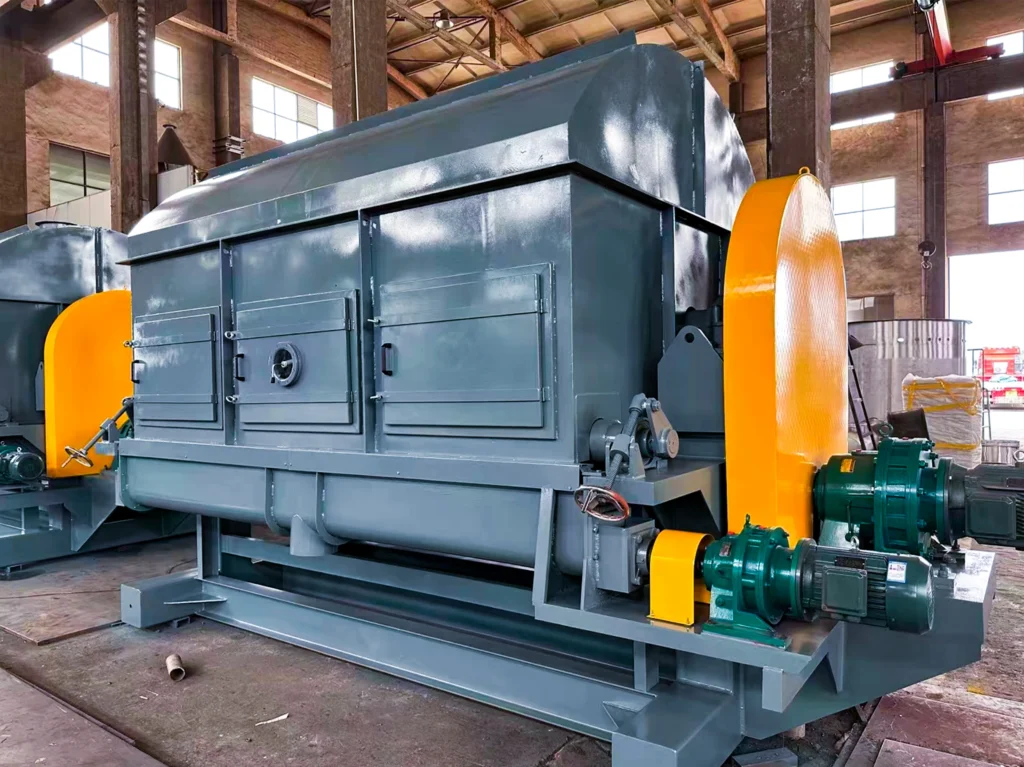
7 проверенных областей применения барабанной сушилки
За три десятилетия проектов одни и те же группы применения встречаются снова и снова. Эти семь проверенных областей применения охватывают большую часть случаев, для которых заказывают барабанную сушилку:
- 1.Картофельные хлопья — классическое применение для быстрого картофельного пюре; из суспензии в хлопья за секунды.
- 2.Предварительно желатинизированный и модифицированный крахмал — тепло и сдвиговое воздействие на барабане желатинизируют крахмал по мере сушки.
- 3.Детское питание и основы для каш — бережная непрерывная сушка питательных пюре в восстанавливаемые хлопья.
- 4.Томатные, фруктовые и овощные пюре — высоковязкие пюре, которые трудно распылить, сушатся чисто в виде тонкой пленки.
- 5.Дрожжи и желатин — биологически активное или гелеобразующее сырьё, обрабатываемое в виде контролируемых тонких пленок.
- 6.Неорганические химикаты — соли, оксиды и катализаторы, для которых допустимы плотные хлопья или порошок.
- 7.Фармацевтические вспомогательные вещества и отдельные АФИ — часто на вакуумном барабане, где критически важна низкая температура.
В разрезе отраслей это соответствует продуктам питания (картофельные хлопья, крахмалы, детское питание, пюре, дрожжи, желатин), химикатам (неорганические соли, оксиды, катализаторы) и фармацевтике / специальным продуктам (вспомогательные вещества и некоторые АФИ, часто на вакуумном варианте оборудования). Общая черта — сырьё, которое слишком вязкое, слишком клейкое или слишком пастообразное, чтобы хорошо сушиться распылением, — именно в этой области барабанная сушилка показывает наилучшие результаты. Если же ваш материал представляет собой перекачиваемую жидкость с более низкой вязкостью, наша смежная статья о том,как работает распылительная сушка, расскажет об альтернативном пути.
Барабанная сушилка против распылительной сушилки
Вопрос «барабанная сушилка против распылительной сушилки» возникает практически в каждом проекте с вязким сырьём, поскольку эти две технологии частично пересекаются, но каждая превосходит другую на своём краю шкалы вязкости.
| Фактор | Барабанная сушилка | Распылительная сушилка |
|---|---|---|
| Сырьё | Высоковязкие суспензии, пасты | Перекачиваемые жидкости с более низкой вязкостью |
| Форма продукта | Хлопья / измельчённый порошок | Тонкий, свободно текучий порошок |
| Энергоэффективность | Очень высокая (прямой контакт, минимум горячего воздуха) | Ниже (нагревается большой объём воздуха) |
| Характер частиц | Более крупные, плотные частицы | Тонкие, однородные, свободно текучие |
| Тепловое воздействие | Прямой контакт с горячей поверхностью | Более мягкое; короткое воздействие в воздухе |
| Производительность | Высокая на вязком сырье | Выше на сырье с низкой вязкостью |
Барабанная сушилка распределяет тонкую пленку по горячей поверхности, поэтому она справляется с вязкими пастами, которые забили бы форсунку распылительной сушилки, и делает это с очень высокой энергоэффективностью, поскольку никогда не нагревает большой объём воздуха. В результате получаются более крупные, плотные хлопья или измельчённый порошок. Распылительная сушилка распыляет перекачиваемую жидкость в поток горячего воздуха, получая тонкий, свободно текучий порошок и обеспечивая более высокую производительность на сырье с низкой вязкостью, а также более мягкое тепловое воздействие для очень термочувствительных материалов. Ни одна из технологий не «лучше» — правильный выбор определяется свойствами сырья. Когда сырьё занимает промежуточное положение между этими двумя вариантами, именно для решения такого вопроса создано нашеруководство по промышленному сушильному оборудованию.
Преимущества и ограничения
Преимущества. Барабанная сушилка отличается высокой энергоэффективностью, поскольку тепло передаётся напрямую в тонкую пленку, а не в большой объём горячего воздуха. Она справляется с вязкими пастами, которые забивают распылительные сушилки, занимает компактную площадь и работает непрерывно за счёт простого и надёжного механизма с минимальным количеством подвижных частей.
Ограничения. Продукт контактирует с горячей металлической поверхностью, поэтому этот метод менее мягкий, чем распылительная или вакуумная сушка — вакуумная барабанная сушилка со скребкомснижает этот эффект для термочувствительных материалов. Толщину пленки и скорость барабана необходимо подбирать индивидуально для каждого материала, и это оборудование не подходит для продуктов, которые должны оставаться тонким порошком без дополнительного измельчения.
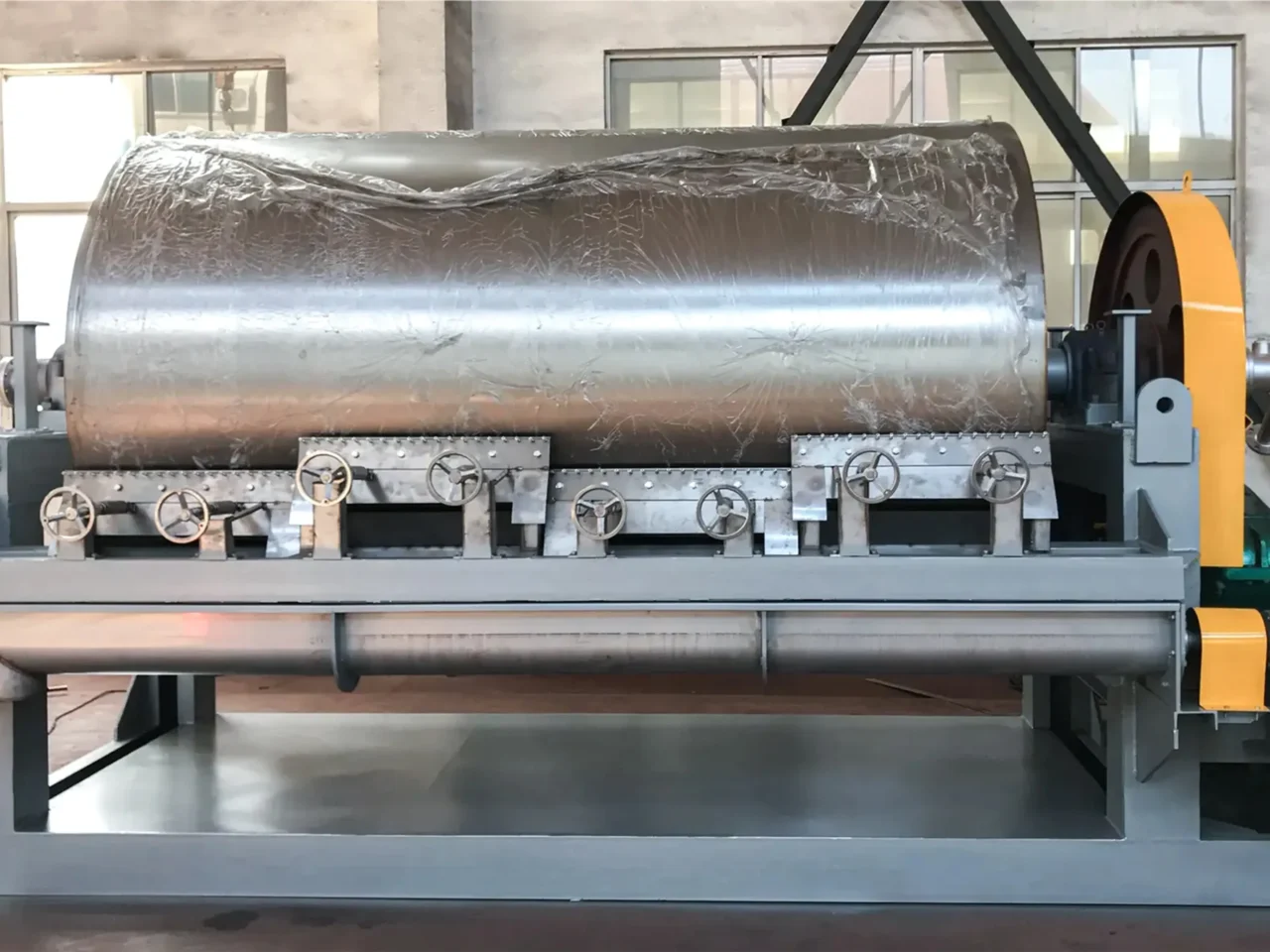
Взгляд технолога: докажите, прежде чем указывать в спецификации
Ни один паспорт оборудования не подскажет, какая скорость барабана, толщина пленки и температура пара нужны именно для вашей суспензии. Две пасты с одинаковым содержанием твердых веществ могут вести себя на барабане совершенно по-разному — одна образует чистую пленку и легко снимается скребком, другая налипает, трескается или не отделяется от ножа. Надёжный способ определить параметры барабанной сушилки — испытать собственный материал и измерить кривую сушки, диапазон толщины пленки, достижимую влажность хлопьев и характер снятия скребком.
Именно этот этап большинство покупателей пропускает — и позже жалеет об этом. Как производитель с более чем 20-летним опытом в области технологического проектирования, SINOTHERMO не просто поставляет оборудование — мы помогаем подтвердить работоспособность процесса. Привезите свой материал в нашу собственную пилотную лабораторию, испытайте его на реальной барабанной сушилке и выберите между однобарабанной и двухбарабанной конструкцией, атмосферным и вакуумным вариантом, а также рабочим диапазоном на основе фактических данных, а не предположений. SINOTHERMO — инфраструктура технологического проектирования. Мы решаем технологическую задачу, а не просто продаём оборудование; каждая система, которую мы создаём, разрабатывается с учётом вашего проверенного процесса.
Распространённые ошибки, которых следует избегать
- Выбор барабанной сушилки для маловязкой термочувствительной жидкости. Это область применения распылительной или вакуумной сушилки — попытка использовать горячий барабан рискует привести к деградации продукта и ухудшению его формы.
- Настройка толщины пленки «на глаз», а не по результатам испытаний. Толщина пленки и скорость барабана взаимосвязаны: слишком толстая пленка оставляет сердцевину влажной, слишком тонкая — снижает производительность. Настраивайте эти параметры совместно на реальном материале.
- Игнорирование этапа измельчения. Барабанная сушилка производит хлопья; если по спецификации требуется тонкий порошок, измельчитель и сито необходимо изначально включить в состав линии.
- Перегрев барабана для увеличения производительности. Избыточная температура поверхности может привести к подгоранию термочувствительных материалов в тонкой пленке, даже если средняя температура выглядит приемлемой — обеспечивайте качество за счёт правильного давления пара, а не максимального.
- Пропуск пилотных испытаний. Поведение материала при снятии скребком, отделение от ножа и конечная влажность невозможно предсказать теоретически для вашей конкретной пасты — испытайте процесс, прежде чем внедрять производственную линию.
Заключение
Барабанная сушилка оправдывает своё применение в тех случаях, когда исходный материал представляет собой вязкую суспензию или пасту, которую распылительная сушилка не способна обработать, а хлопья или измельчённый порошок являются допустимой — или предпочтительной — формой готового продукта. Процесс сушки с прямым контактом на барабане делает её исключительно энергоэффективной, а выбор между однобарабанной и двухбарабанной сушилкой определяется требуемой точностью контроля толщины пленки и необходимой производительностью. Для термочувствительных материалов вакуумный вариант барабанной сушилки сохраняет преимущества хлопьевидной формы при значительно более низкой температуре.
У вас есть паста или суспензия, которую нужно превратить в хлопья или порошок? Свяжитесь с нашими технологами и запишитесь на испытание в нашей пилотной лаборатории — мы подтвердим скорость барабана, толщину пленки и температуру на вашем собственном материале, прежде чем вы зафиксируете параметры в спецификации.
✉️mark.gu@sinothermo.com· 📱WhatsApp: +86 180 2197 2660· 🌐www.sinothermo.com
SINOTHERMO — Инфраструктура для технологических процессов.
Часто задаваемые вопросы
Для чего используется барабанная сушилка?
Барабанная сушилка превращает вязкие жидкости, суспензии и пасты в хлопья или порошок — например, картофельные хлопья, предварительно желатинизированный и модифицированный крахмал, детское питание, томатное и фруктовое пюре, дрожжи, желатин, а также неорганические химикаты, такие как соли и оксиды. Она отлично справляется с материалами, слишком густыми или липкими для распылительной сушки.
В чём разница между одновальцовой и двухвальцовой барабанной сушилкой?
Одновальцовая барабанная сушилка использует один нагреваемый барабан, на который сырьё наносится погружением, распылением, разбрызгиванием или с помощью наносящих валков, которые также задают толщину пленки — такая конструкция гибка для более вязких паст, но обладает меньшей производительностью. Двухвальцовая барабанная сушилка использует два барабана, вращающихся друг к другу, куда сырьё подаётся в зазор между ними, что точно задаёт толщину пленки и обеспечивает более высокую и равномерную производительность для свободно текущих суспензий.
Барабанная сушилка или распылительная сушилка — что выбрать?
Выбирайте барабанную сушилку, если сырьё представляет собой высоковязкую суспензию или пасту, а хлопья или измельчённый порошок являются приемлемым результатом; она очень энергоэффективна и производит более крупные, плотные частицы. Выбирайте распылительную сушилку, если сырьё представляет собой перекачиваемую жидкость с более низкой вязкостью и вам нужен мелкий, свободно текущий порошок или более высокая производительность, либо если материал очень чувствителен к теплу.
Энергоэффективна ли барабанная сушилка?
Да. Тепло передаётся напрямую через стенку барабана в очень тонкую пленку, а не нагревает большой объём воздуха, поэтому барабанная сушилка расходует мало энергии и сушит пленку за секунды. Эта эффективность прямого контакта — одно из главных преимуществ по сравнению с методами горячего воздуха.
Как работает процесс барабанной сушки?
Тонкий слой сырья наносится на вращающийся барабан, нагреваемый паром внутри. Тепло проникает в пленку, и влага испаряется за секунды; стационарный скребок снимает высушенный лист, который затем измельчается до нужного размера хлопьев или порошка — непрерывный четырёхэтапный цикл.
Может ли барабанная сушилка обрабатывать термочувствительные продукты?
Атмосферная барабанная сушилка подвергает продукт воздействию горячей поверхности, что менее щадящий режим. Для термочувствительного сырья вакуумная барабанная сушилка (например, вакуумная барабанная сушилка со скребком) применяет тот же принцип соскабливания и получения хлопьев при пониженном давлении, снижая температуру кипения, благодаря чему продукт сушится при значительно более низкой температуре.
Что такое роликовая сушилка?
«Роликовая сушилка» — это другое название барабанной сушилки, термины взаимозаменяемы. Оба описывают машину, которая сушит тонкую пленку суспензии или пасты на нагреваемом вращающемся барабане (ролике) и снимает высушенный лист скребком.

Mark Gu
Passionate about enhancing customer experiences and streamlining operations, Mark focuses on building strong relationships, fostering innovation, and leading teams to achieve exceptional service and efficiency.
Электронная почта: mark.gu@sinothermo.com
Телефон: +86 18021972660