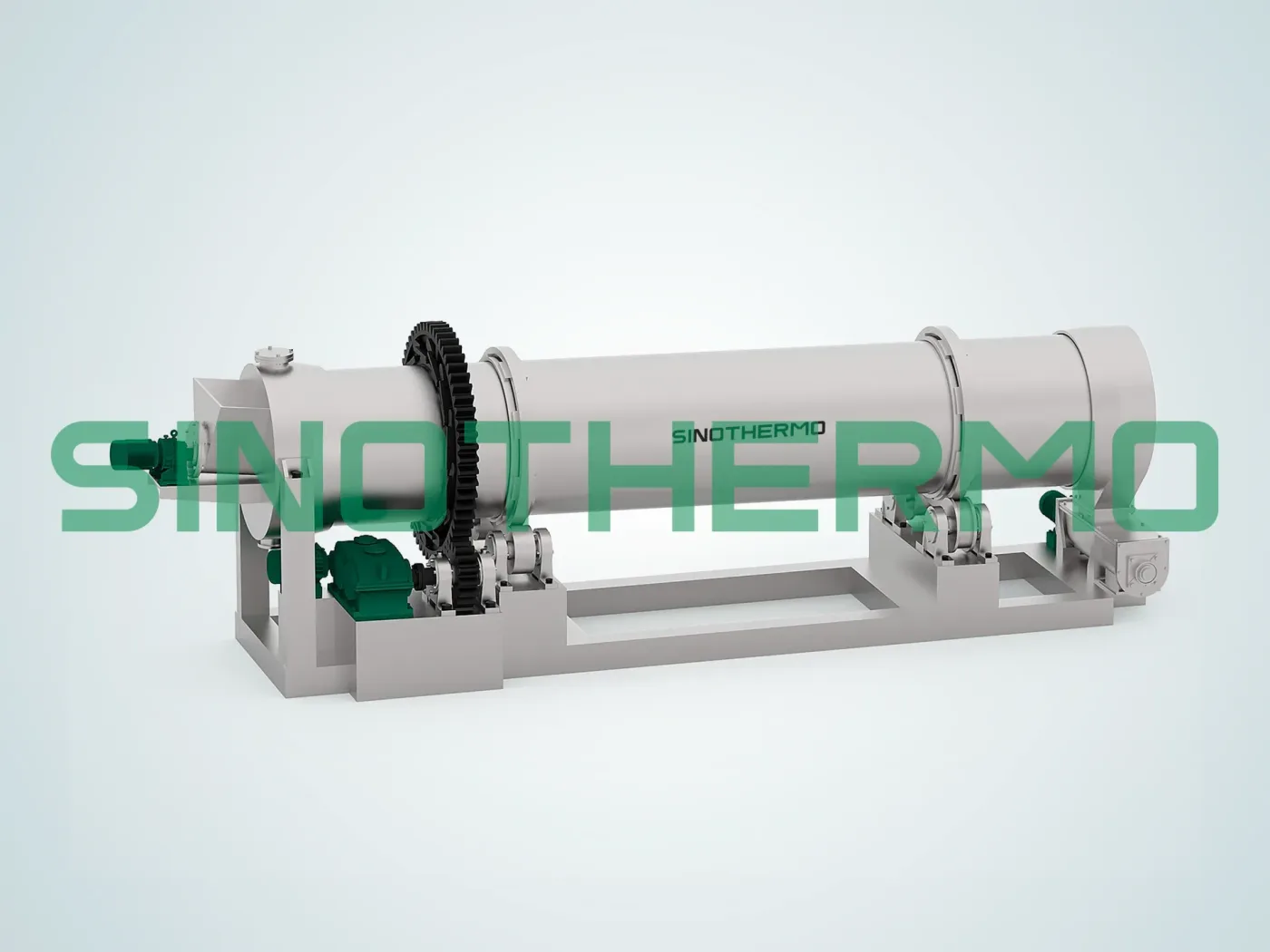
خشککن دوار یک خشککن صنعتی پیوسته است که مواد جامد فلهای — گرانولها، پودرها، خمیرها، لجن، مواد معدنی — را با غلتاندن آنها درون یک سیلندر بزرگ، گرمشده و بهکندی چرخنده و در حالی که گاز داغ از آن عبور میکند، خشک میکند. خشککن درام دوار که مقاوم، انعطافپذیر و برای ظرفیتهای بالا طراحی شده است، همچنان اسب کار صنایع فرآوری مواد معدنی، مواد شیمیایی، کودها و عملیات مواد غذایی و خوراک دام محسوب میشود. این دستگاه در برابر خوراکهایی که ممکن است یک صفحه غربال را مسدود کنند، یک برج اسپری را گرفتگی دهند یا یک بستر سیال را بیشبار کنند، مقاومت میکند: مواد مرطوب، چسبنده، ساینده یا با تغییرات شدید. این راهنما نحوه کارکرد خشککن دوار، چهار پیکربندی که باید از میان آنها انتخاب کنید، پارامترهایی که واقعاً عملکرد را تعیین میکنند، و نحوه اندازهگیری دستگاه بر اساس خوراک واقعی شما - نه بر اساس عدد کاتالوگ - را بررسی میکند.
نحوه کارکرد خشککن دوار
در هسته اصلی، یک خشککن دوار یک سیلندر فولادی بلند - درام - است که با شیب اندکی نصب شده و بهآرامی روی غلتکهای نگهدارنده توسط یک چرخدنده محیطی یا محرک زنجیری چرخانده میشود. مواد مرطوب از انتهای بالایی (سمت خوراکدهی) وارد شده و با چرخش درام بهتدریج به سمت انتهای پایینی (سمت تخلیه) حرکت میکند. در طول این مسیر، گاز داغ با مواد جامد در تماس قرار گرفته و رطوبت را خارج میکند. زیبایی این طراحی در این است که نیروی جاذبه، چرخش و جریان گاز با تعداد بسیار کمی از قطعات متحرک، تمام کار را انجام میدهند.
این فرآیند به پنج مرحله تقسیم میشود:
- 1.خوراکدهی — مواد جامد مرطوب از طریق یک شوت، فیدر مارپیچ یا نوار نقاله وارد انتهای بالایی میشوند. یکنواختی خوراک بیش از آنچه اپراتورها انتظار دارند اهمیت دارد؛ نوسان در خوراک، نوسان در رطوبت خروجی ایجاد میکند.
- 2.بلندکردن و پاشش — تیغههای داخلی (که لیفتر نیز نامیده میشوند) با چرخش درام مواد را بلند کرده و آنها را بهصورت پردهای در میان گاز داغ میریزند. این عمل پاشش، همان چیزی است که سطح تماس عظیم جامد-گاز را ایجاد میکند و باعث کارایی خشککن میشود.
- 3.انتقال حرارت — گاز داغ حاصل از مشعل، کویلهای بخار، یا مولد هوای گرم، حرارت را به پرده در حال ریزش مواد جامد منتقل میکند و رطوبت تبخیر میشود. در طراحیهای غیرمستقیم، حرارت از طریق دیواره درام عبور میکند.
- 4.انتقال مواد — شیب اندک (معمولاً بین ۱ تا ۵ درجه) همراه با چرخش، مواد جامد را بهطور پیوسته به سمت انتهای تخلیه حرکت میدهد. هندسه تیغهها و سرعت درام مدتزمان ماندگاری هر ذره در داخل دستگاه را تعیین میکند.
- 5.تخلیه و جداسازی — محصول خشکشده از انتهای پایینی خارج میشود. گاز خروجی حاوی رطوبت پیش از تخلیه، از یک سیکلون و/یا فیلتر کیسهای عبور میکند تا ذرات ریز بازیابی شده و حدود انتشار آلایندگی رعایت شود.
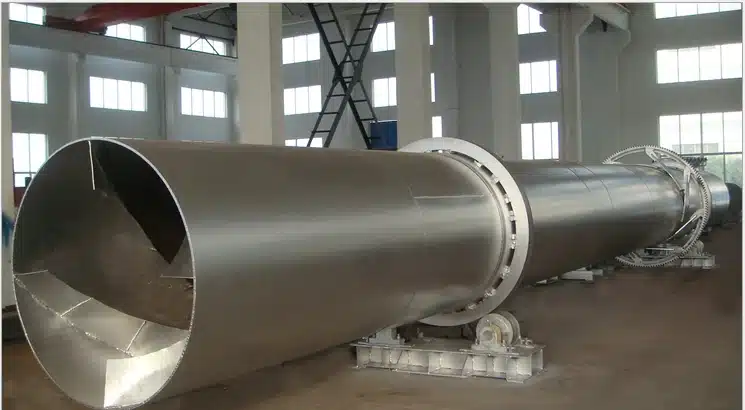
۴ نوع خشککن دوار
انتخاب یک خشککن دوار عمدتاً به تعیین دو موضوع بازمیگردد: اینکه آیا گاز با مواد در تماس مستقیم قرار میگیرد یا نه، و جهت جریان گاز نسبت به مواد چگونه است. این دو موضوع چهار پیکربندی کاربردی را ایجاد میکنند.
| نوع | مسیر حرارت | جریان هوا | مناسب برای |
|---|---|---|---|
| دوار مستقیم | تماس مستقیم گاز داغ با مواد | همجهت یا مخالفجهت | مواد معدنی، سنگدانهها، کود با ظرفیت بالا و غیرحساس به حرارت |
| دوار غیرمستقیم | حرارت از طریق دیواره درام (بخار / روغن حرارتی) | گاز جدا از مواد جامد | مواد جامد ریز، گردوغباری، حساس به اکسیداسیون؛ بازیابی حلال |
| همجهت | گاز و مواد در یک جهت | داغترین گاز با مرطوبترین خوراک برخورد میکند | مواد حساس به حرارت؛ خشککردن ملایمتر |
| مخالفجهت | گاز و مواد در جهت مخالف | داغترین گاز با خشکترین محصول برخورد میکند | رطوبت باقیمانده پایین در مواد مقاوم |
خشککنهای دوار مستقیم رایجترین نوع هستند. گاز داغ - حاصل از مشعل که گاز، نفت یا زیستتوده میسوزاند، یا از مولد هوای گرم - مستقیماً درون درام جریان یافته و با مواد جامد در حال چرخش تماس پیدا میکند. این امر بالاترین نرخ انتقال حرارت و بیشترین ظرفیت تولید بهازای هر دلار را فراهم میکند، به همین دلیل است که در کارخانههای معدنی و کودسازی نقش غالب دارد. نکته منفی این است که محصول در معرض گازهای احتراق قرار میگیرد، بنابراین برای موادی که نمیتوانند تماس با گاز دودکش را تحمل کنند یا اکسید میشوند، مناسب نیست.
خشککنهای دوار غیرمستقیم گرما را از طریق پوسته درام هدایت میکنند و از بخار، روغن حرارتی یا لولههای بخار استفاده میکنند، بنابراین اتمسفر خشککردن داخل درام کاملاً از سمت احتراق جدا است. این روش از مواد ریز، گردآلود یا حساس به اکسیداسیون محافظت میکند، امکان استفاده از گاز خنثی جاروبی را فراهم میسازد و بازیابی حلال را عملی میکند. این روش در دماها و ظرفیت پایینتری نسبت به احتراق مستقیم کار میکند، اما اغلب تنها گزینه ایمن برای این نوع مواد است.
جریان همجهت و جریان مخالف، نحوه جریان هوا در یک خشککن مستقیم را توصیف میکنند. در جریان همجهت، گاز و مواد جامد در یک جهت حرکت میکنند، بنابراین داغترین گاز با مرطوبترین و خنکترین خوراک برخورد میکند — خنکسازی تبخیری از محصول محافظت میکند و خشکترین مواد جامد همراه با خنکترین گاز خارج میشوند. این آرایش ملایمتری است. در جریان مخالف، گاز از انتهای تخلیه وارد میشود و در خلاف جهت مواد جامد حرکت میکند، بنابراین خشکترین محصول با داغترین گاز برخورد میکند. این امر رطوبت باقیمانده را بیشتر کاهش میدهد اما محصول نهایی را در معرض دمای اوج قرار میدهد که تنها مواد مقاوم آن را تحمل میکنند.
شرکت SINOTHERMO هر دو نوع خشککن دوار مستقیم و غیرمستقیم را میسازد و معمولاً یک کوره دوار یا خنککن درام دوار را در همان خط ترکیب میکند، زمانی که کلسینهکردن یا خنکسازی پس از خشککردن بخشی از وظیفه باشد. برای خوراکهای سبکتر یا حساستر به حرارت، یک خشککن نواری یا مسیر بستر سیال ممکن است گزینه بهتری باشد — برای این مقایسه به راهنمای خشککن بستر سیال ما مراجعه کنید.
پارامترهای کلیدی خشککن دوار
عملکرد توسط تعدادی متغیر متقابل کنترل میشود. درک آنها تفاوت میان خشککنی که مطابق مشخصات کار میکند و خشککنی که تحت بار کافی خشک نمیکند را رقم میزند:
- قطر و طول درام (نسبت L/D) — قطر سرعت گاز و ظرفیت را تعیین میکند؛ طول زمان ماند را تعیین میکند. نسبت L/D معمول ۴:۱ تا ۱۰:۱ این دو را متعادل میکند. اگر خیلی کوتاه باشد، ماده مرطوب خارج میشود؛ اگر خیلی بلند باشد، فولاد و گرما هدر میرود.
- شیب و سرعت چرخش — این دو با هم تعیین میکنند که ماده با چه سرعتی حرکت میکند و در نتیجه چه مدت خشک میشود. تغییرات کوچک در اینجا کل پروفایل رطوبت را بدون دستزدن به ورودی حرارتی، دوباره تنظیم میکند.
- طراحی تیغه (بالابر) — تنها متغیری که کمترین توجه به آن میشود. پروفایل و تعداد تیغهها کنترل میکنند که ماده چقدر خوب در میان گاز میریزد. خوراکهای چسبنده به هندسه تیغهای متفاوت از ماسه آزادروان نیاز دارند و تیغههای نامناسب باعث میشوند ماده به جای آبشاریشدن، در امتداد دیواره بلغزد.
- دمای گاز ورودی و خروجی — دمای ورودی نرخ تبخیر را تعیین میکند؛ دمای خروجی معیار عملی رطوبت نهایی است و متغیری است که اپراتورها روز به روز تنظیم میکنند.
- سرعت گاز — بهاندازهای بالا که خشککردن کارآمد باشد و بهاندازهای پایین که از خروج محصول بهصورت گرد و غبار جلوگیری شود. این سقف توسط توزیع اندازه ذرات خوراک تعیین میشود.
کاربردهای خشککن دوار
از آنجا که خشککن درام دوار خوراکهای دشوار و متغیر را در مقیاس بزرگ تحمل میکند، در چهار بخش گسترده ظاهر میشود:
- مواد معدنی و معدنکاری — ماسه سیلیسی، کنسانتره سنگمعدن، سنگ آهک، رس، گچ و زغالسنگ. وظایف ساینده و پرحجم که در آنها استحکام بر دقت برتری دارد.
- مواد شیمیایی — کودهای شیمیایی، سولفات آمونیوم، نمکهای صنعتی و کاتالیزورها. خشککنهای مستقیم بر کود گرانوله غالب هستند؛ خشککنهای غیرمستقیم از مواد شیمیایی حساس به اکسیداسیون محافظت میکنند.
- مواد غذایی و خوراک دام — DDGS (دانههای تقطیر خشک)، تفاله چغندرقند، تفاله جو مصرفشده در آبجوسازی و باگاس. جریانهای جانبی چسبنده و با رطوبت بالا که به ظرفیت قابلاعتماد نیاز دارند.
- محیط زیست — لجن شهری و صنعتی، زیستتوده و پسماند آلی، اغلب بهعنوان مرحله کاهش حجم و پایدارسازی پیش از دفع یا بازیابی انرژی.
برای کاربردهای مرتبط، راهنمای تجهیزات خشککن صنعتی ما نشان میدهد که خشککن دوار در این صنایع چگونه با فناوریهای فلاش، بستر سیال و خلاء مقایسه میشود.
مزایا و محدودیتها
مزایا. یک خشککن دوار ظرفیتهای بالا را در یک واحد واحد مدیریت میکند، با خوراکهای دشوار (مرطوب، چسبنده، ساینده، تودهای) کنار میآید، از نظر مکانیکی ساده و بادوام است و نگهداری کمی نیاز دارد، و در برابر نوسانات نرخ خوراک و رطوبت که یک خشککن دقیقتر را دچار مشکل میکند، مقاوم است. این گزینهای قابل اعتماد است وقتی ماده سخت است و تناژ بالا است.
محدودیتها. این خشککن نسبت به یک خشککن بستر سیال با ظرفیت معادل، فضای بزرگتری اشغال میکند، کنترل دقیقتری بر اندازه ذرات و رطوبت ارائه نمیدهد، و ابزار مناسبی برای پودرهای ریز و حساس به حرارت نیست — یک خشککن اسپری یا مسیر خلاء برای این موارد مناسبتر است. واحدهای شعله مستقیم نیز محصول را در معرض گازهای احتراق قرار میدهند، و هزینه سرمایهای هر واحد قابل توجه است. برای خوراکهای خمیری و دوغابی که به خشککردن ملایم غیرمستقیم نیاز دارند، راهنمای خشککن پاروئی / دیسکی را مقایسه کنید؛ برای موادی که در چند ثانیه خشک میشوند، به راهنمای خشککن فلاش مراجعه کنید.
اشتباهات رایجی که باید از آنها اجتناب کرد
- اندازهگذاری بر اساس ظرفیت روی پلاک به جای خوراک واقعی شما. دو ماده با تناژ یکسان اما رطوبت، اندازه ذرات یا چسبندگی متفاوت، به درامهای بسیار متفاوتی نیاز دارند. یک عدد اعلامشده «۱۰ تن در ساعت» بدون منحنی خشککردن پشت آن هیچ معنایی ندارد.
- نادیده گرفتن طراحی پرهها. خریداران روی قطر و طول وسواس دارند اما اجازه میدهند تامینکننده پرهها را به صورت پیشفرض تعیین کند. پرههای نادرست به معنای پاشش ضعیف، نقاط سرد، و خشککنی است که هرگز به ظرفیت اسمی نمیرسد.
- انتخاب شعله مستقیم برای محصولی حساس به اکسیداسیون. اگر ماده نتواند در معرض گاز دودکش قرار گیرد، هیچ میزان تنظیم دما آن را اصلاح نمیکند — از ابتدا به طراحی غیرمستقیم نیاز داشتید.
- کمبرآورد کردن سیستم اگزوز و گرد و غبار. سیکلون و فیلتر کیسهای مسائل فرعی نیستند؛ سرعت گاز، انتقال ذرات ریز، و محدودیتهای انتشار باید همراه با درام اندازهگذاری شوند.
- رد کردن آزمون پایلوت. مقیاسبندی مستقیم از یک هاتپلیت آزمایشگاهی به یک درام کامل، دقیقاً روشی است که پروژهها را با خشککردن ناکافی زیر بار عملیاتی مواجه میکند. ابتدا رفتار خشککردن را روی ماده واقعی تایید کنید.
اندازهگذاری خشککن دوار شما — و چرا آزمایشگاه پایلوت اهمیت دارد
اندازهگذاری صحیح به نرخ خوراک، رطوبت اولیه و هدف، حساسیت حرارتی ماده، و ویژگیهای ذرات آن — چگالی تودهای، توزیع اندازه، و میزان چسبندگی آن در محدوده رطوبت «نقطه چسبندگی» — بستگی دارد. این متغیرها با یکدیگر تعامل دارند، بنابراین تنها راه قابل اعتماد برای تعیین قطر درام، طول، شیب، طراحی پرهها، و دماهای گاز، اجرای آزمایش روی ماده واقعی است.
این دقیقاً هدف یک آزمایشگاه پایلوت داخلی است. سینوترمو — زیرساخت مهندسی فرآیند. ما مسئله فرآیند را حل میکنیم، نه صرفاً فروش یک دستگاه: ماده خود را بیاورید، پیش از تعیین مشخصات آن را آزمایش کنید، و ما منحنی خشککردن واقعی، زمان ماند، و محدوده دمای گاز مورد نیاز خوراک شما را پیش از هرگونه تعهد به فولاد تولید میکنیم. این قابلیت با بیش از ۲۰ سال تجربه پشتیبانی میشود. سفارشیسازی بالا، قاعده است نه استثنا — خشککن حول خوراک شما ساخته میشود، نه برعکس.
نتیجهگیری
آیا خشککن دوار انتخاب درستی برای ماده شماست؟ اگر در حال خشککردن مواد جامد فله با تناژ بالا هستید که مرطوب، چسبنده، ساینده یا متغیر هستند — و کنترل دقیق ذرات ریز اولویت نیست — در این صورت بله، خشککن دوار به احتمال زیاد قویترین و مقرونبهصرفهترین پاسخ است، مشروط بر اینکه بر اساس خوراک واقعی شما اندازهگذاری شود نه یک عدد کاتالوگی.
نیاز به خشککردن یک ماده خاص در مقیاس بالا دارید؟ آزمایشهای آزمایشگاه پایلوت ما خوراک شما را آزمایش کرده و پیش از سرمایهگذاری، خشککن دوار مناسب را تعیین اندازه میکند.
✉️ mark.gu@sinothermo.com · 📱 WhatsApp: +86 180 2197 2660 · 🌐 www.sinothermo.com
SINOTHERMO — زیرساخت مهندسی فرآیند.
سوالات متداول
خشککن دوار برای چه کاربردی استفاده میشود؟
خشککردن مواد جامد فله در مقیاس تناژ بالا — مواد معدنی، کودهای شیمیایی، نمکهای صنعتی، محصولات جانبی مواد غذایی و خوراک دام، لجن و زیستتوده — بهویژه خوراکهایی که مرطوب، چسبنده یا ساینده هستند و برای خشککنهای ظریفتر مناسب نیستند.
تفاوت خشککن دوار مستقیم و غیرمستقیم چیست؟
در خشککن دوار مستقیم، گاز داغ مستقیماً از میان ماده عبور میکند تا خشککردن سریع و با ظرفیت بالا انجام شود. در خشککن دوار غیرمستقیم، گرما از طریق دیواره درام منتقل میشود و محصول از تماس با گاز احتراق دور نگه داشته میشود — این روش برای مواد جامد ریز، گردوغبارزا یا حساس به اکسیداسیون و همچنین بازیابی حلال مناسبتر است.
تفاوت خشککردن همجهت و ضدجریان چیست؟
در جریان همجهت، گاز و ماده در یک جهت حرکت میکنند، بنابراین داغترین گاز با مرطوبترین خوراک برخورد میکند — این حالت ملایمتر است و برای مواد حساس به حرارت مناسبتر است. در جریان ضدجریان، گاز و ماده در جهت مخالف حرکت میکنند که به رطوبت باقیمانده کمتری میرسد اما محصول نهایی را در معرض داغترین گاز قرار میدهد.
چگونه اندازه مناسب خشککن دوار را انتخاب کنم؟
از نرخ خوراک، میزان رطوبتی که باید حذف شود، و ویژگیهای ماده (چگالی فله، اندازه ذرات، چسبندگی، حساسیت به حرارت) شروع کنید. از آنجا که این عوامل بر یکدیگر تأثیر میگذارند، آزمایش پایلوت-آزمایشگاهی روی خوراک واقعی شماست که زمان ماند، دماهای گاز، و ابعاد درام را مشخص میکند.
معایب خشککن دوار چیست؟
فضای اشغالی بزرگتر نسبت به خشککن بستر سیال، کنترل دقیقتر ذرات و رطوبت کمتر، نامناسب بودن برای پودرهای ریز بسیار حساس به حرارت، هزینه سرمایهای قابل توجه، و — در واحدهای احتراق مستقیم — تماس محصول با گازهای احتراق.
خشککن دوار از چه منبع حرارتی استفاده میکند؟
خشککنهای مستقیم از یک مشعل که با گاز، نفت یا زیستتوده کار میکند یا از یک مولد هوای گرم استفاده میکنند. خشککنهای غیرمستقیم از بخار، روغن حرارتی یا لولههای بخار استفاده میکنند تا گرما از طریق دیواره درام به ماده برسد.
آیا خشککن دوار میتواند خوراکهای چسبنده یا با رطوبت بالا را پردازش کند؟
بله — این یکی از نقاط قوت آن است. طراحی صحیح پرهها، بازچرخانی محصول خشکشده برای آمادهسازی خوراک، و شیب و سرعت مناسب به خشککن دوار امکان میدهد جریانهای چسبنده و با رطوبت بالا را که سایر انواع خشککن را مسدود میکنند، پردازش کند.

Mark Gu
Passionate about enhancing customer experiences and streamlining operations, Mark focuses on building strong relationships, fostering innovation, and leading teams to achieve exceptional service and efficiency.
ایمیل: mark.gu@sinothermo.com
تلفن: +86 18021972660