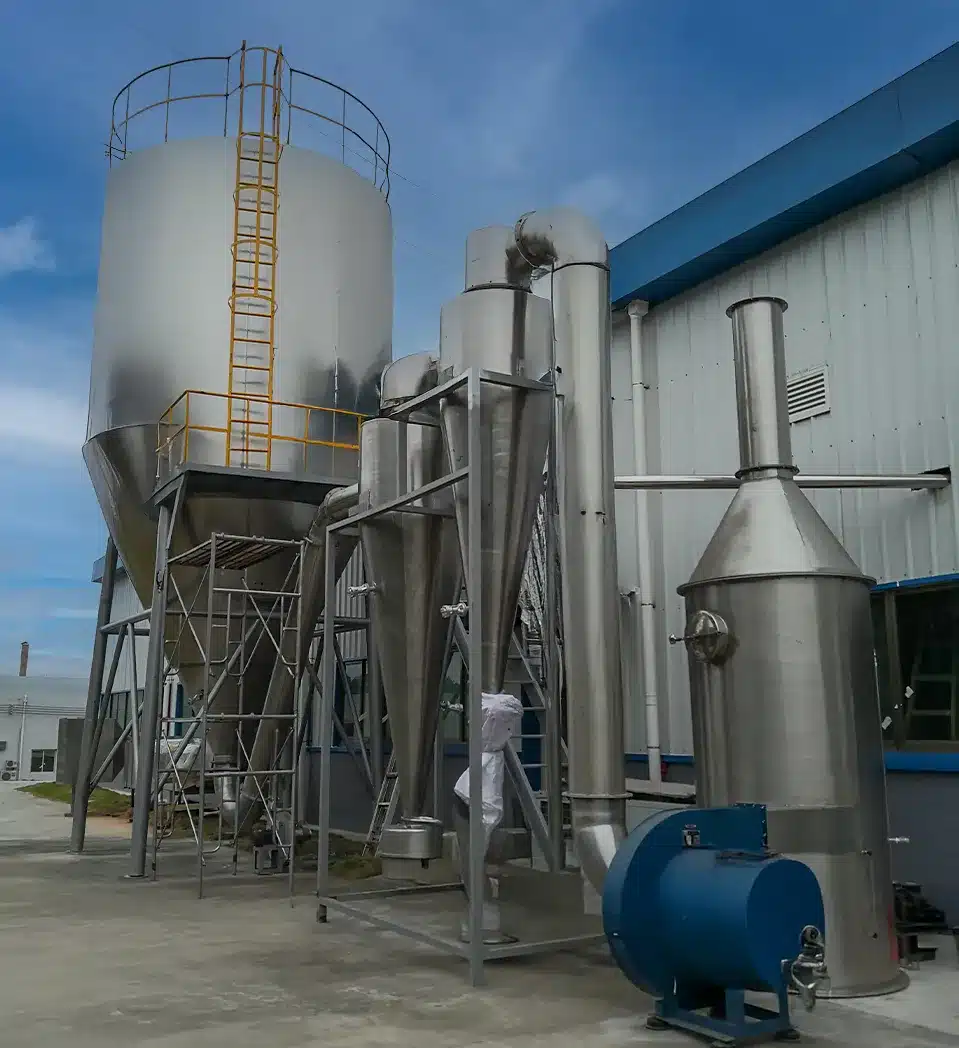
نادرًا ما تكون عملية التجفيف الخطوة الأكثر بريقًا في خط الإنتاج، لكنها غالبًا ما تكون الخطوة التي تحدد ما إذا كان المنتج النهائي قابلًا للبيع أم لا — الرطوبة الصحيحة، وشكل الجسيمات الصحيح، ومكوّن فعّال ينجو من الحرارة. المشكلة أنه لا يوجد مجفف صناعي واحد يُعد "الأفضل" على الإطلاق. فالآلة التي تحوّل سائلًا إلى مسحوق حر التدفق في ثوانٍ لا فائدة منها مع كعكة رطبة، والمجفف الذي يحمي بلطف مادة فعّالة حساسة للحرارة سيكون بطيئًا بشكل غير عملي مع كميات ضخمة من الحبيبات السائبة. الاختيار الصحيح يعني مطابقة التقنية لمادتك، وليس لما تقوله الكتيبات الدعائية.
يستعرض هذا الدليل عملية الاختيار بالطريقة التي يتبعها مهندس العمليات: البدء بالشكل الفيزيائي لموادك الخام، ثم إضافة عاملي الحساسية للحرارة والرطوبة المستهدفة، وصولًا إلى قائمة مختصرة. ستجد هنا مصفوفة اختيار عملية، والعوامل التي قد تتجاوز هذه المصفوفة، وسبب كون الاختبار الفعلي لموادك هو الخطوة النهائية الوحيدة الموثوقة.
لماذا يهم اختيار المجفف
اختيار المجفف الخاطئ تظهر تكلفته في كل مكان: منتج متدهور بسبب الحرارة الزائدة، رطوبة خارج المواصفات تفشل في مراقبة الجودة، مساحيق ذات كثافة سائبة أو حجم جسيمات غير مناسب، فواتير طاقة أعلى بكثير مما ينبغي، وأصل رأسمالي لا يتلاءم أبدًا تمامًا مع العملية. التجفيف أيضًا هو المرحلة الأكثر خطورة على المواد الحساسة للحرارة والمحمّلة بالمذيبات — فالفرق بين مجفف بالتفريغ ومجفف بالهواء الساخن قد يكون الفرق بين منتج قابل للتطبيق ودفعة تالفة.
ثلاثة متغيرات تقود تقريبًا كل قرار جيد. أولًا، الشكل الفيزيائي للمادة الخام — سائل، ملاط، عجينة، مسحوق رطب، كعكة رطبة، أو مادة صلبة كبيرة الحجم — لأن ذلك يحدد كيفية التعامل مع المادة وتعريضها للحرارة. ثانيًا، الحساسية للحرارة: هل يتحمل المنتج الهواء الساخن، أم يحتاج إلى التفريغ ودرجة حرارة منخفضة؟ ثالثًا، الرطوبة المستهدفة وشكل المنتج الذي تحتاج للوصول إليه في المراحل اللاحقة. عند ضبط هذه العوامل الثلاثة بشكل صحيح، تتقلص قائمة المعدات المحتملة بسرعة.
مصفوفة اختيار المجفف الصناعي
أسرع طريقة للوصول إلى قائمة مختصرة هي البدء من شكل موادك عند دخولها إلى المجفف. المصفوفة أدناه تربط كل شكل من أشكال المواد الخام بعائلات المجففات الأنسب لها، وسبب ذلك.
| شكل المادة الخام | المجفف الموصى به | سبب الملاءمة |
|---|---|---|
| سائل / محلول | مجفف بالرش الطاردة المركزية أو مجفف بالرش الضغطي | يحوّل السائل إلى رذاذ دقيق يجف ليصبح مسحوقًا خلال ثوانٍ؛ خطوة واحدة من المحلول إلى المسحوق النهائي مع إمكانية التحكم في حجم الجسيمات. |
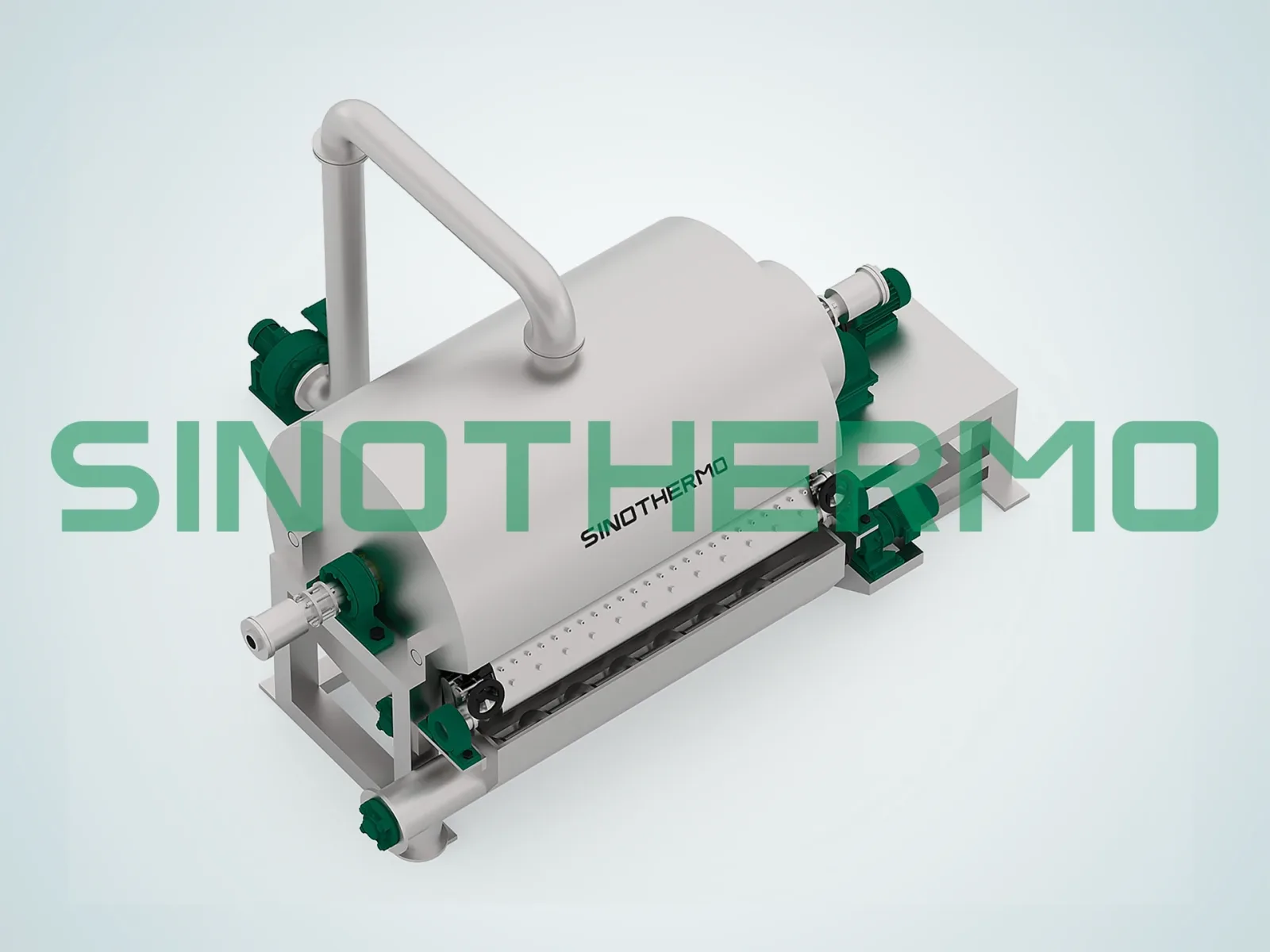
| ملاط / عجينة | مجفف سبين فلاش أو مجفف بالكاشط الأسطواني | سبين فلاش يقوم بتحريك وتفريق الملاطات اللزجة في غاز ساخن؛ الكاشط الأسطواني ينشر طبقة رقيقة على أسطوانة مسخّنة ويكشط الرقائق المجففة — كلاهما يتعامل مع مواد أكثر كثافة من أن تُرش. |
| مسحوق رطب / حبيبات | مجفف بالطبقة المميعة الأفقي أو مجفف بالطبقة المميعة العمودي | يعلّق الجسيمات في تيار هواء صاعد لتجفيف سريع وموحد ولطيف؛ مثالي بعد التحبيب أو الطرد المركزي. |
| مواد حساسة للحرارة | مجففات التفريغ — مجفف التفريغ بالمشط، مجفف التفريغ بالريشة، مجفف التفريغ الأفقي بالأقراص، مجفف التفريغ الدوار بالمخروط المزدوج | التفريغ يخفض نقطة الغليان بحيث يتم التجفيف عند درجة حرارة منخفضة؛ يحمي المكونات الفعّالة، ويتيح استرجاع المذيبات. للتعمق أكثر: ما هو التجفيف بالتفريغ. |
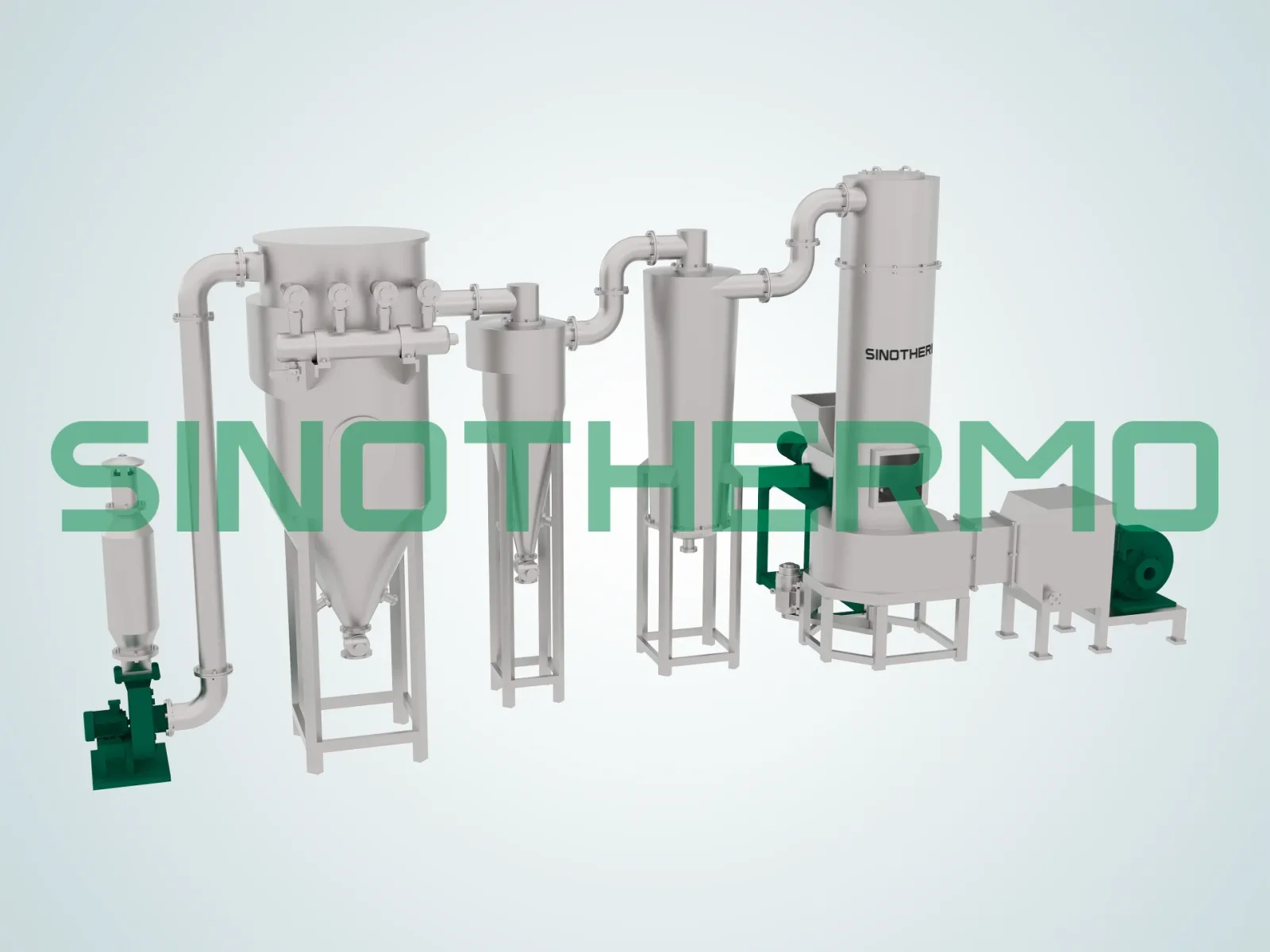
| كعكة رطبة / مواد صلبة متكتلة | مجفف هوائي أو مجفف سبين فلاش | التجفيف الهوائي (الوميضي) يجرف الجسيمات المتفرقة في تيار غاز ساخن لمدة تلامس قصيرة جدًا؛ سبين فلاش يفكك التكتلات أثناء التجفيف. |
| مواد صلبة كبيرة الحجم / صفائح | مجفف بالحزام أو مجفف بالصينية | تبقى المادة ثابتة على حزام أو صينية بينما يمر الهواء الدافئ من خلالها — لطيف على الشكل والبنية، مناسب للقطع والمواد المبثوقة والمواد الصلبة الحساسة. |
| حجم كبير مستمر من الحبيبات | فرن دوار | أسطوانة دوارة مائلة تُقلّب المادة الحبيبية السائبة عبر منطقة تسخين طويلة — متين، مستمر، وذو إنتاجية عالية. |
اقرأ المصفوفة باعتبارها قائمة أولية للاختيار، وليست حكمًا نهائيًا. معظم المواد المُغذّاة تتناسب بوضوح مع فئة واحدة أو فئتين؛ أما الاختيار النهائي فيُحدَّد بالعوامل التالية.
عوامل أساسية بخلاف شكل المادة المُغذّاة
يوصلك شكل المادة المُغذّاة إلى فئة عامة. لكن أربعة عوامل إضافية تحدد المجفف المحدد بالضبط — وغالبًا ما تتجاوز الاختيار البديهي.
الحساسية للحرارة. إذا كان المنتج يتحلل أو يتأكسد أو يتغير لونه أو يفقد فعاليته عند درجة حرارة معتدلة، فإن تقنيات الهواء الساخن تُستبعد بغض النظر عن شكل المادة المُغذّاة. وهنا يبرز دور التجفيف بالتفريغ: فتقليل الضغط يخفض درجة غليان الماء والمذيبات، بحيث تخرج الرطوبة عند درجة حرارة منخفضة ويُحافَظ على سلامة المنتج. وتتجه الصناعات الدوائية والمواد الكيميائية الدقيقة والمركبات الوسيطة الحساسة للحرارة إلى هذا الخيار في أغلب الأحيان. للاطلاع على الآلية الكاملة ومتى يكون هذا الخيار مجديًا، راجع مقالتنا المتعمقة حول التجفيف بالتفريغ.
معدل الإنتاج والتشغيل المستمر مقابل الدفعي. الكميات الكبيرة والثابتة تفضّل التصاميم المستمرة — مجففات الرش والطبقة المميعة والمجففات الهوائية والأفران الدوارة تعمل على مدار الساعة. أما الإنتاج الأصغر أو المتنوع أو القائم على دفعات محددة فغالبًا ما يناسبه مجففات التفريغ الدفعية أو مجففات الصواني أو وحدات المخروط المزدوج، حيث يكون التبديل والتنظيف بين المنتجات أكثر أهمية من معدل الإنتاج الخام في الساعة.
شكل المنتج المطلوب. هل تحتاج إلى مسحوق ناعم حر التدفق، أم حبيبات سليمة، أم قطع مجففة تحافظ على شكلها؟ يُشكّل مجفف الرش المسحوق من السائل؛ ويحافظ مجفف الطبقة المميعة على سلامة الحبيبات؛ ويحافظ مجفف الحزام أو الصينية على سلامة المواد الصلبة كاملة. قد يحدد المتطلب اللاحق نوع المجفف حتى عندما تكون عدة أنواع قادرة تقنيًا على إزالة الرطوبة.
استرجاع المذيبات والسلامة. تغيّر المذيبات العضوية والأجواء القابلة للاشتعال كل شيء. تسمح أنظمة التفريغ ذات الحلقة المغلقة بتكثيف المذيب واسترجاعه، وقد تكون التكوينات الخاملة الغاز أو المقاومة للانفجار إلزامية. حدد هذه القيود عند وضع المواصفات — فتعديل السلامة والاسترجاع على منصة غير مناسبة يكون مكلفًا.
المطابقة مع دليل متعمق: التجفيف الحساس للحرارة
إذا أشارت أول مراجعة للمصفوفة والعوامل إلى مادة حساسة للحرارة، فهذا هو الفرع الأكثر أهمية على الإطلاق — ويستحق أكثر من مجرد صف في جدول. تمتد مجففات التفريغ عبر مجموعة من التصاميم الهندسية، كل منها مناسب لمستوى مختلف من لزوجة المادة المُغذّاة ومتطلبات الخلط: مجفف التفريغ بمشط المحراث ومجفف التفريغ بالريشة للمعاجين والكعكات التي تحتاج إلى تحريك، ومجفف التفريغ الأفقي بالأقراص لمساحة نقل حرارة غير مباشرة كبيرة، ومجفف التفريغ الدوار بالمخروط المزدوج للتقليب اللطيف للمواد الصلبة حرة التدفق. والاختيار بينها — والتأكد من أن التجفيف بالتفريغ هو المسار الصحيح أصلًا — يتم على أفضل وجه بامتلاك الصورة الكاملة. اطلع على دليلنا المرافق، ما هو التجفيف بالتفريغ، قبل وضع المواصفات.
نظرة من منظور هندسة العمليات: أثبت الجدوى قبل وضع المواصفات
من المعروف أن سلوك التجفيف يصعب التنبؤ به على الورق. فنفس الملاط قد يُجفَّف بالرش بشكل ممتاز أو يسد الفوهة؛ وقد تتدفق الكعكة الرطبة عبر مجفف الوميض أو تتكتل؛ وقد يتغير لون المادة الفعالة "المستقرة حراريًا" عند نفس درجة الحرارة التي وصفتها ورقة البيانات بأنها آمنة. فمادتان متقاربتان تقريبًا في الرطوبة والمواد الصلبة قد تتطلبان مجففين مختلفين تمامًا بمجرد تطبيق الحرارة والهواء فعليًا. والطريقة الموثوقة للاختيار هي تشغيل مادتك الخاصة وقياس النتائج: الرطوبة النهائية، وحجم الجسيمات والكثافة الظاهرية، ولون المنتج وفعاليته، ومعدل التجفيف واستهلاك الطاقة — قبل الالتزام برأس المال لخط إنتاج.
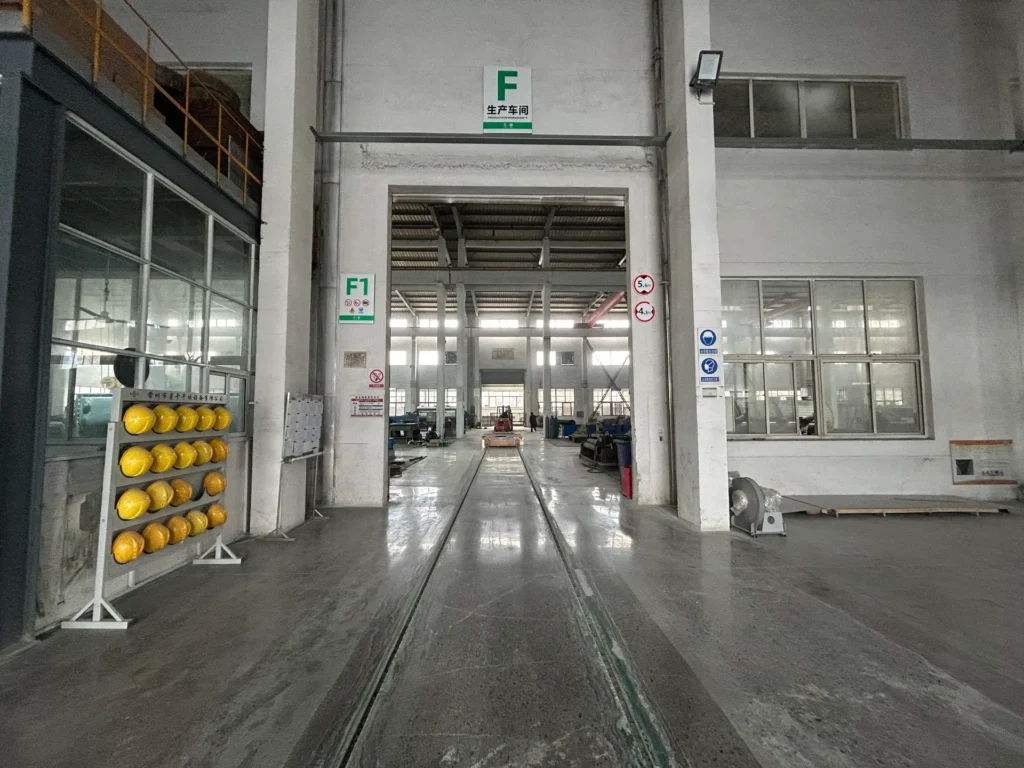
هذه هي الخطوة التي يتجاهلها معظم المشترين ثم يندمون على ذلك لاحقًا. بصفتنا شركة مصنّعة متخصصة في الهندسة الإجرائية بخبرة تتجاوز 20 عامًا، لا تكتفي SINOTHERMO بتوريد المجفف — بل نساعدك على إثبات مسار التجفيف الأمثل. أحضر مادتك إلى مختبرنا التجريبي الداخلي، واختبرها على مجففات الرش، والطبقة المميعة، والوميض والتفريغ، ثم اختر بناءً على الأدلة الفعلية لا على الافتراضات. بعد ذلك، يتم تصميم كل نظام نقدمه بناءً على عمليتك المُتحقق منها، لا بتكييف نموذج جاهز. هذا ما نعنيه ببنية الهندسة الإجرائية: نحن نحل مشكلة التجفيف، لا مجرد بيع آلة.
الأخطاء الشائعة التي يجب تجنبها
- اختيار نوع المجفف قبل التحقق من شكل التغذية. ابدأ من الحالة التي تكون عليها المادة عند الدخول — سائل، عجينة، كعكة رطبة أو مادة صلبة كبيرة الحجم — لا من نوع المجفف الذي تعرفه مسبقًا.
- تجاهل الحساسية الحرارية إلى أن يفشل المنتج في اختبار الجودة. تأكد أولًا من درجة حرارة المنتج الآمنة؛ فإذا كانت منخفضة، يجب إدراج مجفف التفريغ ضمن القائمة المختصرة منذ البداية، بصرف النظر عن شكل التغذية.
- التصميم بناءً على متوسط الإنتاجية، لا على الذروات الفعلية وتنوع المنتجات. التصاميم المستمرة تناسب الكميات الثابتة؛ بينما التغييرات المتكررة في المنتجات تناسب المرونة الدفعية وسهولة التنظيف. اختر المجفف بما يتوافق مع طريقة تشغيلك الفعلية.
- إغفال استرجاع المذيبات وقابلية الاشتعال. المذيبات العضوية والأغبرة القابلة للانفجار تتطلب أنظمة ذات دائرة مغلقة أو مصنّفة للعمل بالغازات الخاملة — حدد هذا الأمر مسبقًا، لا بعد الشراء.
- تخطي التجارب التجريبية. لا يمكن لورقة المواصفات أن تتنبأ بكيفية تحوّل مادتك المحددة إلى رذاذ، أو تميّعها، أو تجففها. اختبر قبل الشراء.
الخاتمة
يتلخص اختيار المجفف الصناعي المناسب في ثلاثة أسئلة يجب الإجابة عنها بالترتيب: ما الشكل الفيزيائي لمادتك التغذوية، وما مقدار الحرارة التي يمكن أن يتحملها المنتج، وما درجة الرطوبة وشكل المنتج المطلوب تحقيقهما؟ شكل التغذية يحدد لك الفئة المناسبة — مجفف الرش للسوائل، ومجفف الطبقة المميعة للمساحيق الرطبة، ومجفف التفريغ للمواد الحساسة للحرارة، والوميض أو سبين فلاش للعجائن والكعكات، والحزام أو الصينية للمواد الصلبة كبيرة الحجم، والفرن الدوار للكميات الحبيبية الكبيرة. بعد ذلك، تُسهم الحساسية الحرارية والإنتاجية وشكل المنتج ومتطلبات استرجاع المذيبات في تضييق نطاق الفئة إلى آلة محددة. لكن ورقة البيانات لا تفعل أكثر من تقليص الخيارات — والتجربة التجريبية بمادتك الفعلية هي ما يؤكد الاختيار النهائي.
لست متأكدًا من المجفف المناسب لمادتك؟ تحدث مع مهندسي العمليات لدينا واحجز تجربة في مختبرنا التجريبي — سنساعدك على اتخاذ القرار بناءً على البيانات، لا الافتراضات.
الأسئلة الشائعة
كيف أختار المجفف الصناعي المناسب؟
ابدأ بالشكل الفيزيائي لمادتك التغذوية — سائل، معلق، عجينة، مسحوق رطب، كعكة رطبة أو مادة صلبة كبيرة الحجم — وهو ما يوجهك إلى فئة معينة من المجففات. بعد ذلك، أضف عوامل الحساسية الحرارية، والرطوبة المستهدفة، والإنتاجية (مستمرة أو دفعية)، وشكل المنتج المطلوب، وأي متطلبات لاسترجاع المذيبات أو قابلية الاشتعال. وأخيرًا، أجرِ تجربة تجريبية بمادتك الفعلية لتأكيد الاختيار قبل تحديد مواصفات خط الإنتاج.
ما هو أفضل مجفف للسوائل والمحاليل؟
مجفف الرش. يقوم مجفف الرش الطاردة المركزية أو مجفف الرش بالضغط بتحويل السائل إلى قطيرات دقيقة تجف لتتحول إلى مسحوق خلال ثوانٍ، وذلك في خطوة واحدة تنتقل من المحلول إلى مسحوق نهائي حر التدفق مع إمكانية التحكم في حجم الجسيمات.
ما المجفف الذي يجب استخدامه للمواد الحساسة للحرارة؟
مجففات التفريغ. يؤدي تقليل الضغط إلى خفض نقطة غليان الماء والمذيبات، مما يسمح بخروج الرطوبة عند درجة حرارة منخفضة ويحمي المنتج من التحلل الحراري. تشمل الخيارات مجففات التفريغ من نوع المشط، والريشة، والقرص الأفقي، والمخروط المزدوج الدوار، ويتم اختيارها بناءً على لزوجة التغذية ومتطلبات الخلط. راجع دليلنا حول التجفيف بالتفريغ لمزيد من التفاصيل.
ما الفرق بين مجفف الطبقة المميعة والمجفف الدوار؟
يقوم المجفف ذو الطبقة المميعة بتعليق الجسيمات في تيار هواء صاعد لتحقيق تجفيف سريع ومنتظم ولطيف — وهو مثالي للمساحيق والحبيبات الرطبة حيث تكون سلامة الجسيمات أمرًا مهمًا. أما المجفف الدوار أو الفرن الدوار فيقلب المواد الحبيبية السائبة عبر أسطوانة دوارة طويلة مسخنة، وهو مناسب للتجفيف المستمر القوي وعالي الإنتاجية لأحجام كبيرة من المواد.
التجفيف المستمر أم الدفعي — أيهما أختار؟
اختر المجففات المستمرة (الرش، الطبقة المميعة، الهوائي، الدوار) للحصول على إنتاجية عالية وثابتة حيث يكون وقت التشغيل والإنتاجية هما العاملان الأهم. أما المجففات الدفعية (التفريغ، الصينية، المخروط المزدوج) فهي الخيار الأنسب للإنتاج الأصغر أو المتنوع أو القائم على دفعات محددة، حيث يكون تبديل المنتج والتنظيف والمرونة أكثر أهمية من معدل الإنتاج الساعي الخام.
لماذا تُعد التجربة التجريبية مهمة قبل شراء مجفف؟
من الصعب التنبؤ بسلوك التجفيف نظريًا — فقد تحتاج مادتان متشابهتان في المظهر إلى مجففين مختلفين تمامًا عند تطبيق الحرارة والهواء. تقيس التجربة التجريبية الرطوبة النهائية، وحجم الجسيمات، والكثافة الظاهرية، ولون المنتج وفعاليته، ومعدل التجفيف واستهلاك الطاقة على مادتك الفعلية، بحيث تحدد مواصفات المعدات بناءً على أدلة وليس افتراضات.

Mark Gu
Passionate about enhancing customer experiences and streamlining operations, Mark focuses on building strong relationships, fostering innovation, and leading teams to achieve exceptional service and efficiency.
البريد الإلكتروني: mark.gu@sinothermo.com
الهاتف: +86 18021972660