Keramik
Keramik umfasst die Trockner, Trommelöfen und Pulverisierer von SINOTHERMO, die zur Verarbeitung keramischer Rohstoffe eingesetzt werden. Das Programm reicht von der Grobzerkleinerung von Ton- und Mineralausgangsstoffen über die Spin-Flash-Trocknung feuchter Schlämme bis hin zur Hochtemperaturverarbeitung im Trommelofen vor dem Brennen.
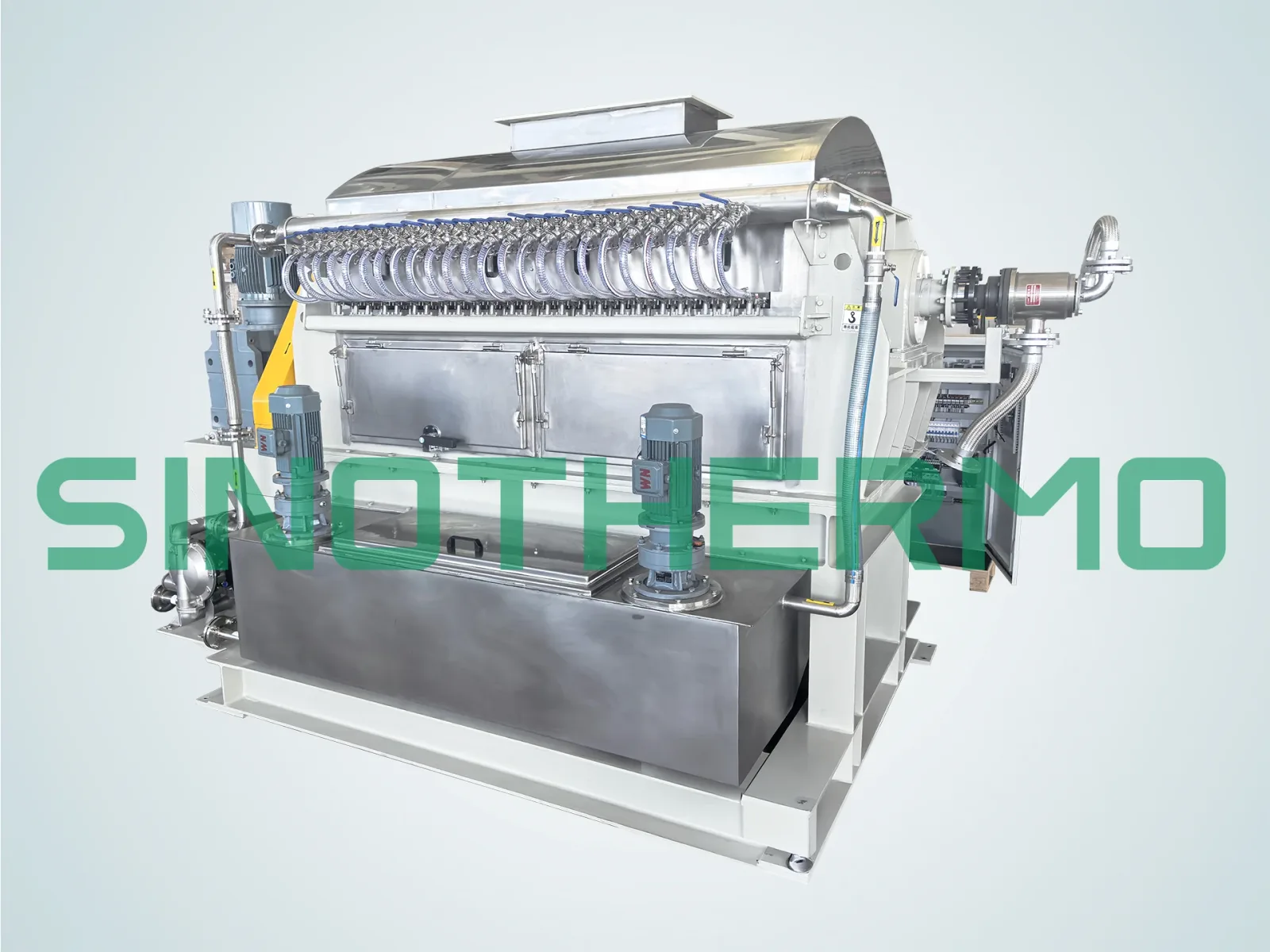
CD Dryer
Kategorien: Kontakt- und Vakuumtrockner
Continuous Drying for Liquid and Paste-like Materials:
The CD Dryer is designed for continuous drying of liquids and pastes. Utilizing indirectly heated discs, the dryer efficiently transfers heat to the material, creating a thin layer for rapid evaporation. This method ensures effective drying and consistent product quality.
- Input:
- Liquid and Pasty Materials
- Output:
- Dried Solids (flake or powder, depending on application)
- Heat Transfer Coefficient:
- Overall heat transfer coefficient: 2,300W/m²k
- Thermal Efficiency:
- 80 to 85% thermal efficiency
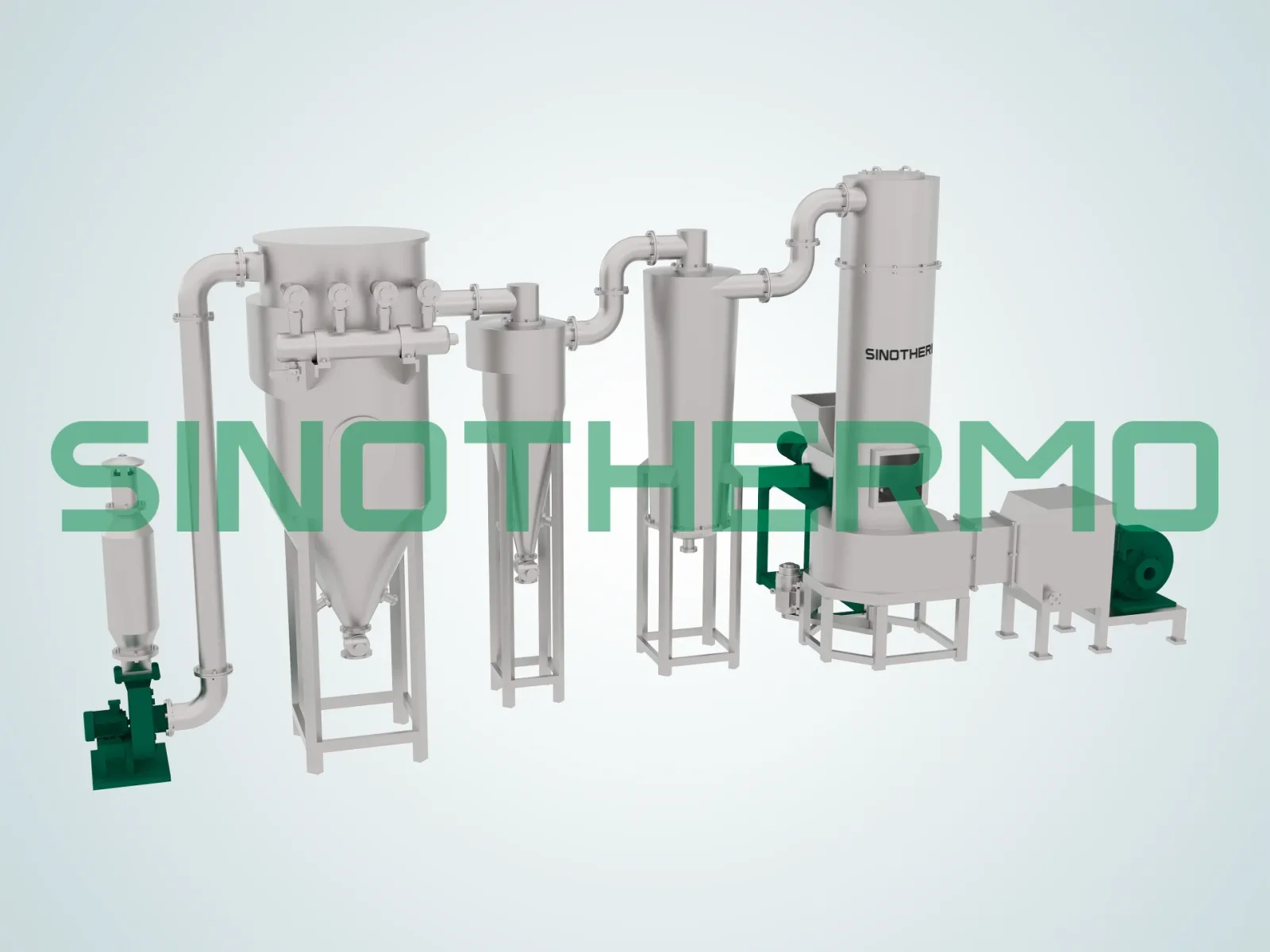
XSG-Spin Flash Dryer
Kategorien: Konvektionstrockner, Flash-Trockner
One-Step Continuous Flash Drying:
The Spin Flash Dryer dries pastes and filter cakes in a single continuous step. Hot air and mechanical agitation break up material while drying — no pre-crushing needed.
- Input:
- Pastes, Filter Cakes, Thick Slurries
- Output:
- Powder with 3%-8% moisture content
- Temperature:
- Inlet air temperature range of 150°C to 350°C
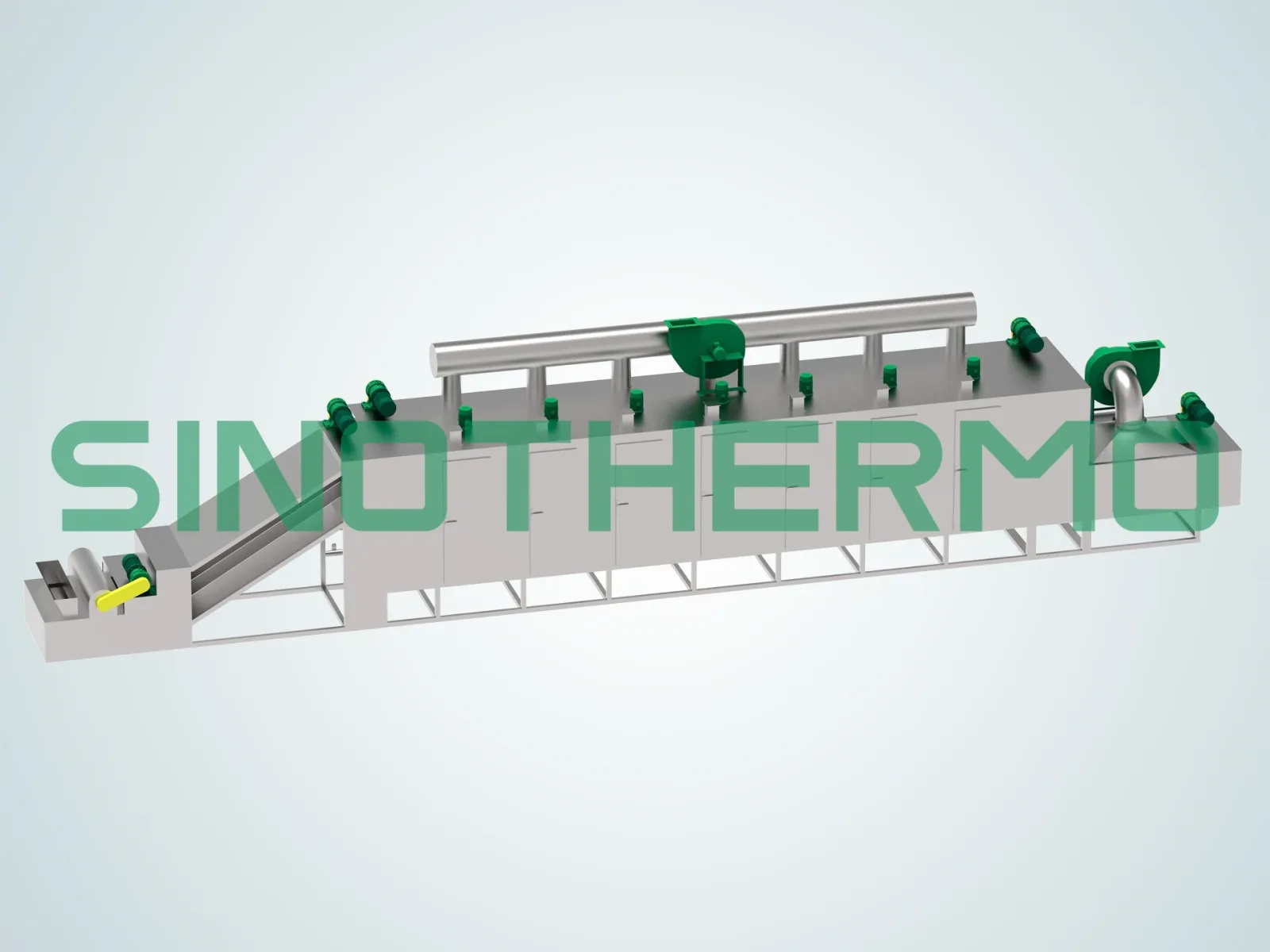
DW-Belt Dryer
Kategorien: Konvektionstrockner
Continuous Convection Dryer with Mesh Belt:
The Belt Dryer can be configured with single or multiple mesh-belt layers, spreading material evenly for directional hot-air drying. Belt speed adjusts to each material's temperature and moisture content, so it runs at comparatively low temperatures while continuously processing large batches.
- Input:
- Permeable solids in sheets, strips, granules or blocks
- Output:
- Sheet, strip, granule or block solids with 3%–8% moisture content
- Temperature:
- Inlet air temperature < 200°C
- Additional Feature:
- Cooling
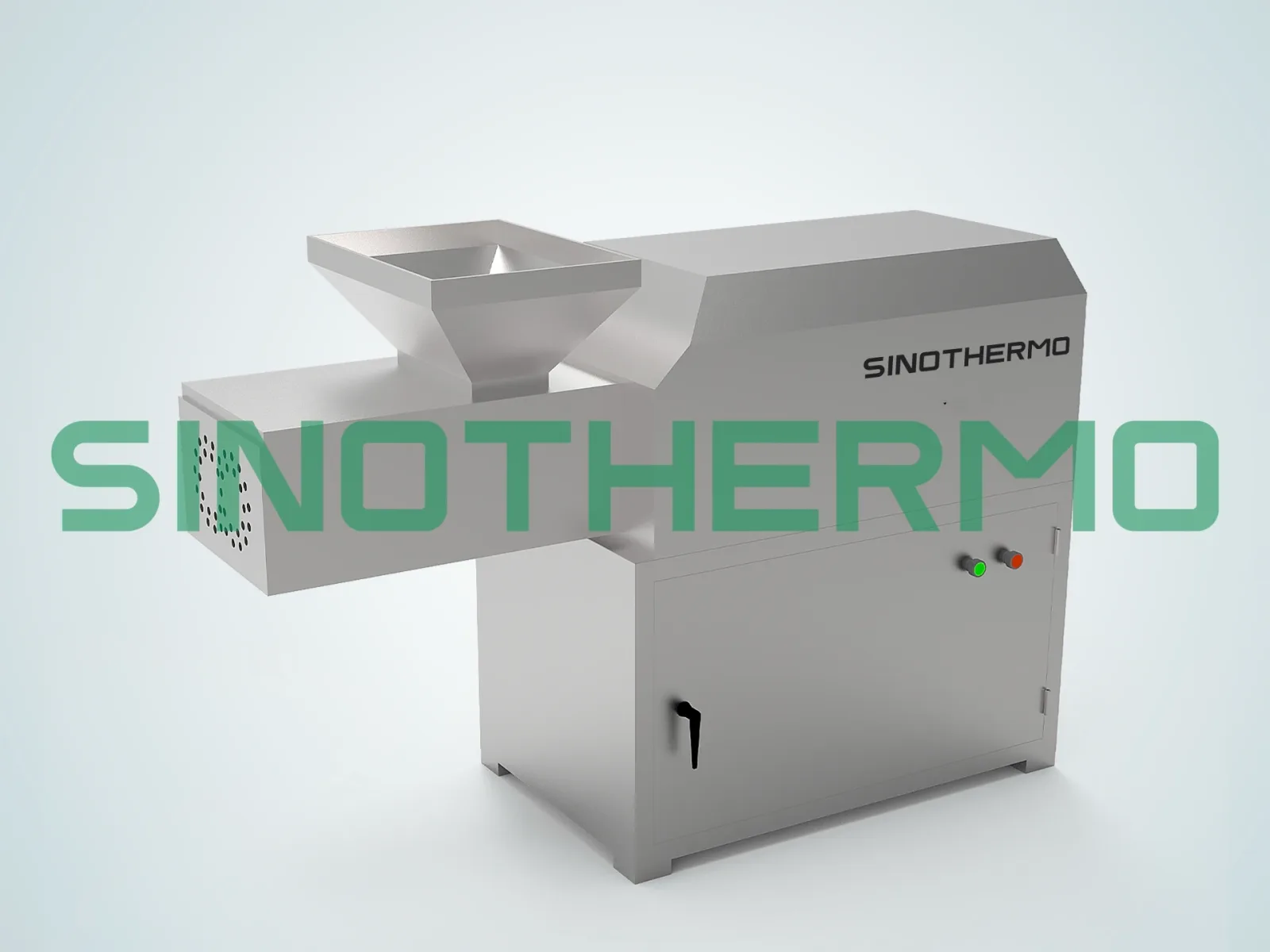
SET-Screw Extruder Granulator
Kategorien: Granulator und Extruder
Wet Granulation with Screw Extrusion Process:
By utilizing an extrusion process, this wet-granulation machine leverages the self-viscosity of a solid-liquid dispersion to bond powder particles, producing granules of consistent shape and size. The screw-extrusion mechanism generates enough force to form pellets without always requiring a binder — particularly suitable for high-viscosity materials. Optional water cooling is available.
- Input:
- Solid-liquid mixture (predominantly solid)
- Output:
- Moist cylindrical granules
- Type:
- Extrusion Granulation, Wet Granulation
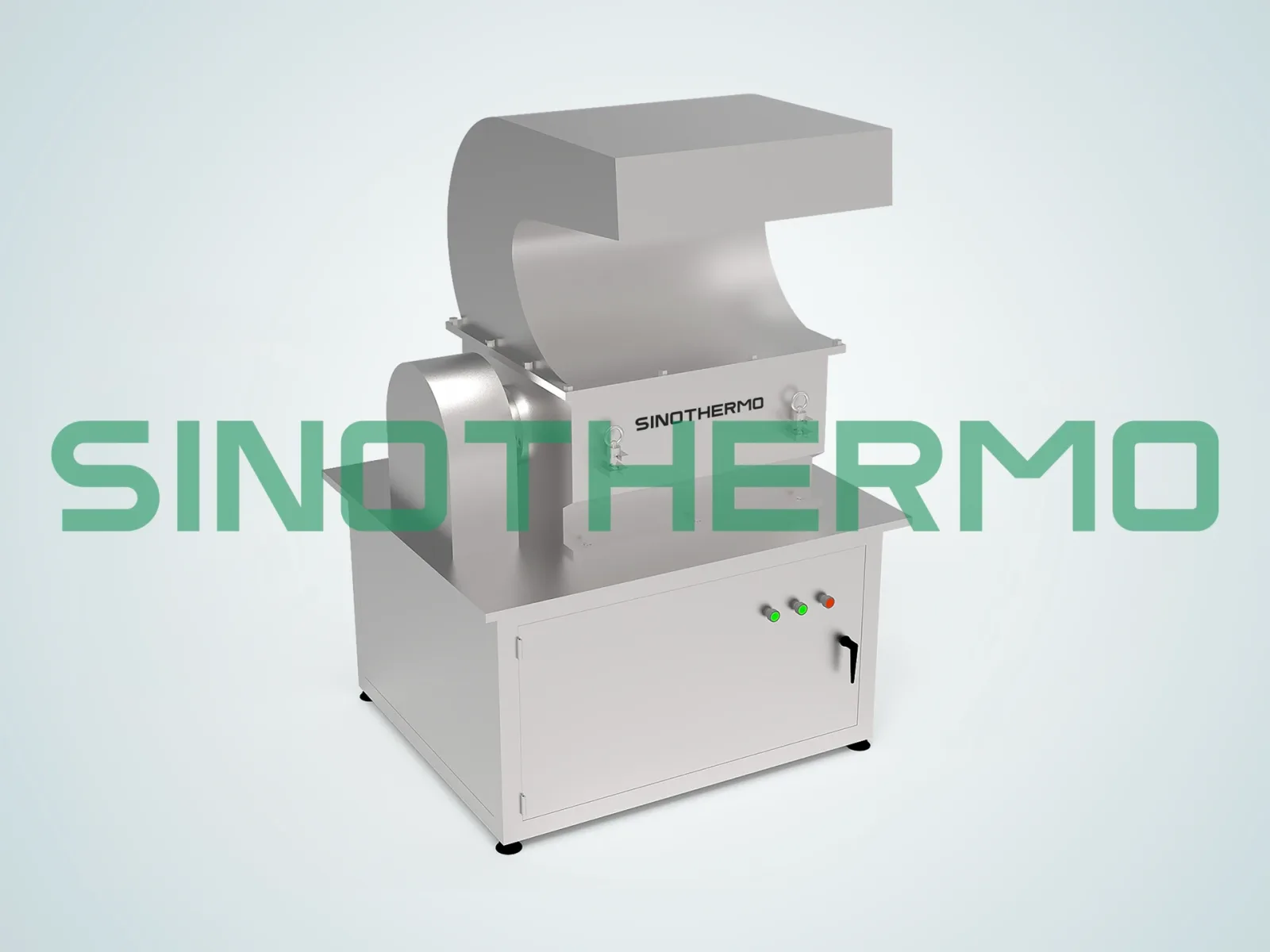
CSJ-Coarse Pulverizer
Kategorien: Pulverisierer
Primary Crushing Solution:
Typically used for processing hard, large-sized solid materials, the Coarse Pulverizer effectively serves as a preliminary step before further fine pulverization, optimizing subsequent crushing processes.
- Input:
- Brittle Solids (< 100mm)
- Output:
- 0.5 to 20 mesh
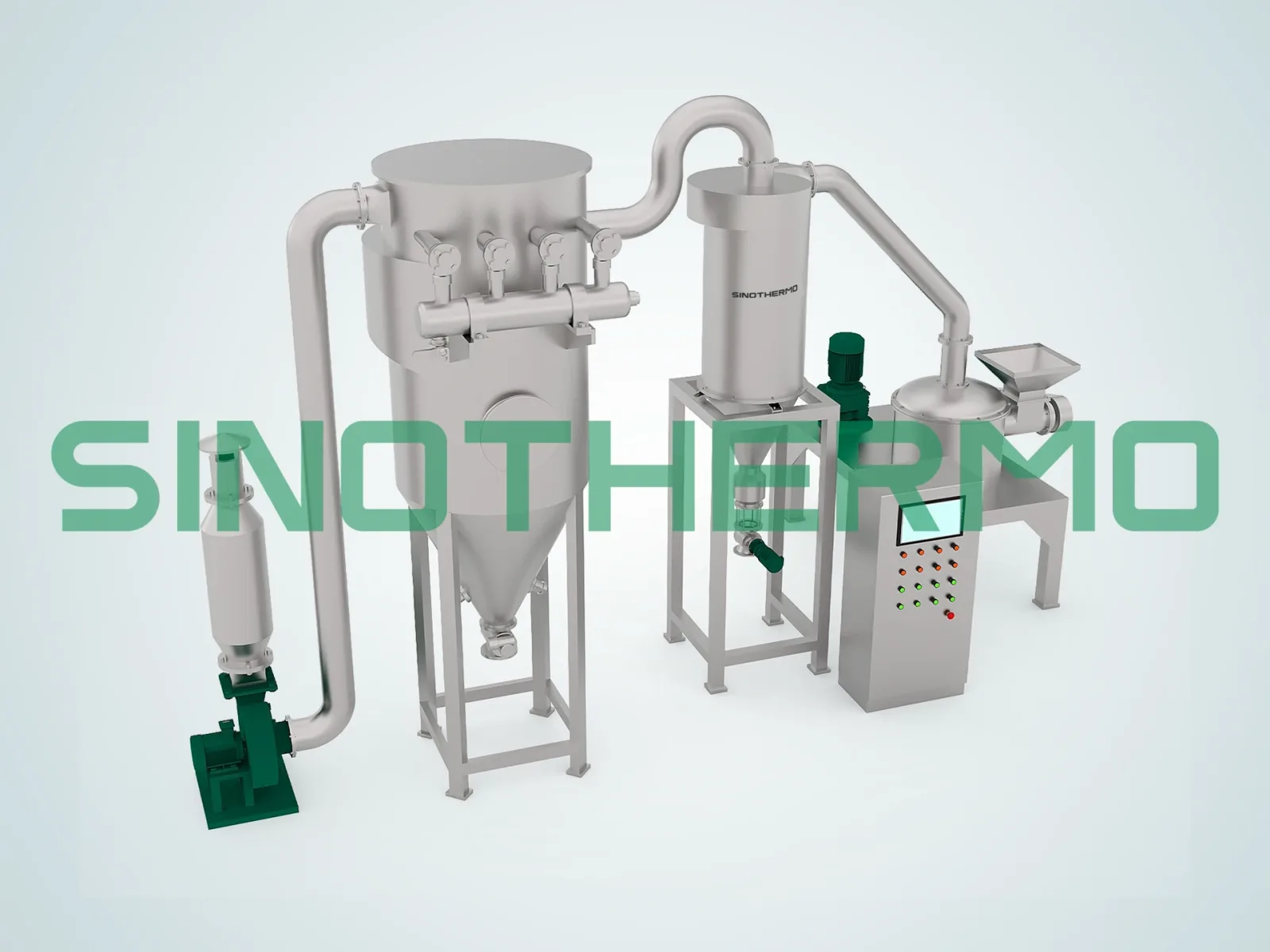
WFJ-Impact Pulverizer
Kategorien: Pulverisierer
Optimal Choice for Ultra-Fine Granularity:
The Impact Pulverizer grinds materials to a particle size of 400 mesh or even finer, streamlining manufacturing processes. It can additionally be equipped with a cyclone collector and bag-type dust remover for cleaner processing.
- Input:
- Brittle Solids (up to 10mm)
- Output:
- 80 to 450 mesh
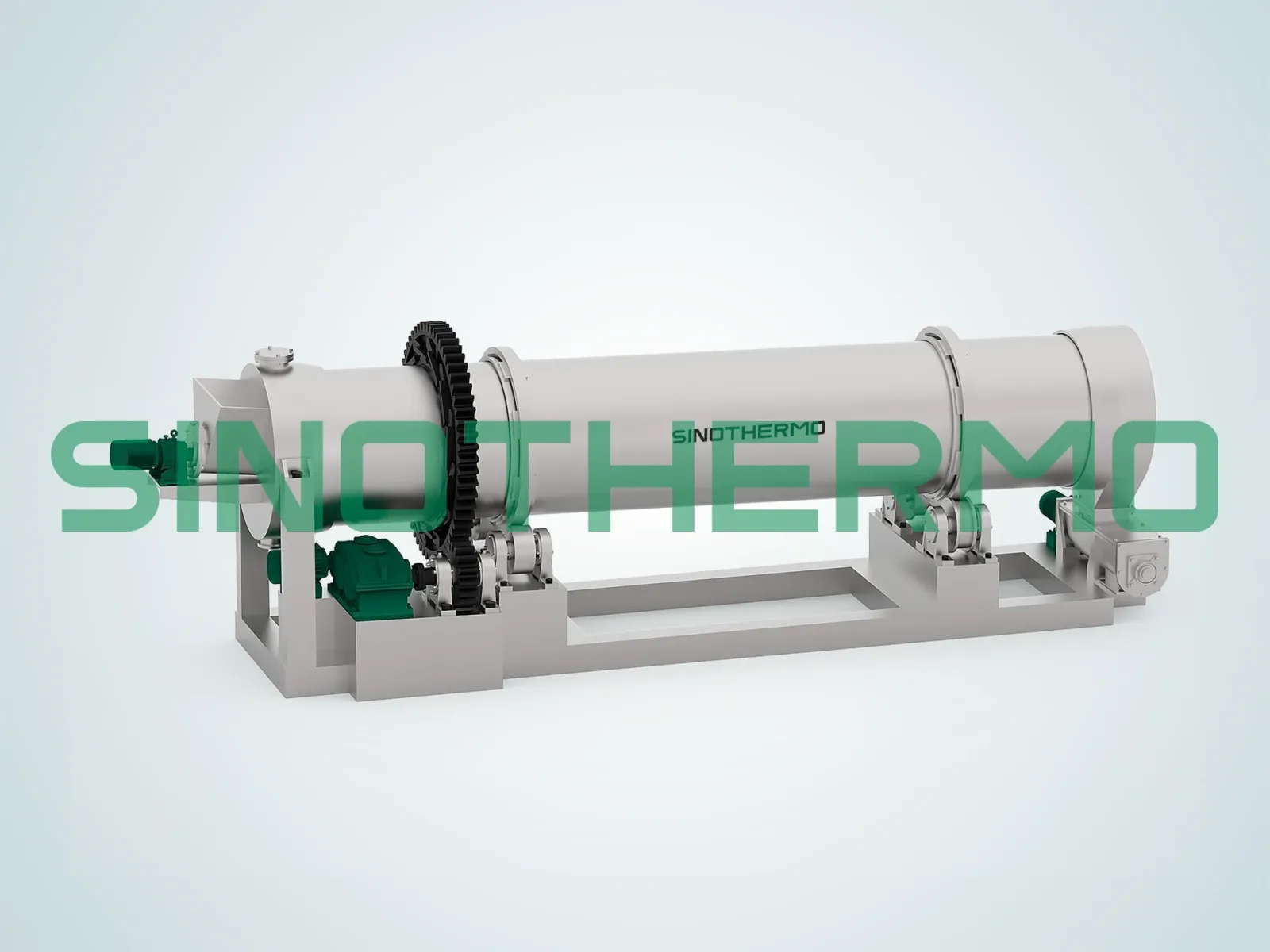
HZG-Rotary Kiln
Kategorien: Konvektionstrockner
Perfect for Large-Scale, Continuous Drying:
Wet material enters at one end of the Rotary Kiln, where internal flights agitate it and blend it thoroughly with hot air. This elongated drum dryer, spanning many metres, can process hundreds of tons per hour, and its drum speed adjusts from 1 to 10 RPM to suit different requirements.
- Input:
- Granular materials
- Output:
- Granules with 3%–5% moisture content
- Temperature:
- Inlet air temperature range of 40°C to 350°C
- Additional Feature:
- Mixing
Trocknung, Pulverisierung und Ofenverarbeitung für Keramik
Der CD-Trockner und der Bandtrockner entziehen keramischen Rohstoffen die Feuchtigkeit, der Spin-Flash-Trockner verarbeitet keramische Schlämme, der Trommelofen (HZG) verarbeitet keramisches Schüttgut bei hohen Temperaturen, und die Grob- und Prallpulverisierer zerkleinern keramische Rohstoffe auf die für die Weiterverarbeitung erforderliche Partikelgröße.
Verarbeitungsschritte für keramische Rohstoffe
Die Grobzerkleinerung zerkleinert mineralische und tonhaltige Ausgangsstoffe vor dem Feinmahlen. Die Prallzerkleinerung erzielt die feine Partikelgröße, die keramische Rezepturen erfordern. Die Spin-Flash-Trocknung verarbeitet feuchte keramische Schlämme effizient vor dem Brennen. Der Schneckenextruder-Granulator unterstützt die Formung keramischen Materials zu Zwischenformen.
Mehr entdecken
Chemicals →
Nutzt gemeinsame Pulverisier- und Trocknungstechnik aus der Mineralverarbeitung.
Pharmaceuticals →
Nutzt dieselbe CD-Trocknertechnologie für andere Kontakttrocknungsanwendungen.
Environment →
Nutzt Trommelofen- und Trocknungstechnik, die auch zur Verarbeitung mineralischer Nebenprodukte geeignet ist.