Metallurgia e miniere
Metallurgia e miniere comprende il mulino a martelli, i polverizzatori, il forno rotante e i miscelatori di SINOTHERMO utilizzati per ridurre minerali grezzi e materiali minerali alla granulometria di processo. La gamma spazia dalla pre-frantumazione grossolana alla macinazione a impatto fine, oltre alla calcinazione e torrefazione ad alta temperatura in forno tipiche del trattamento dei minerali.
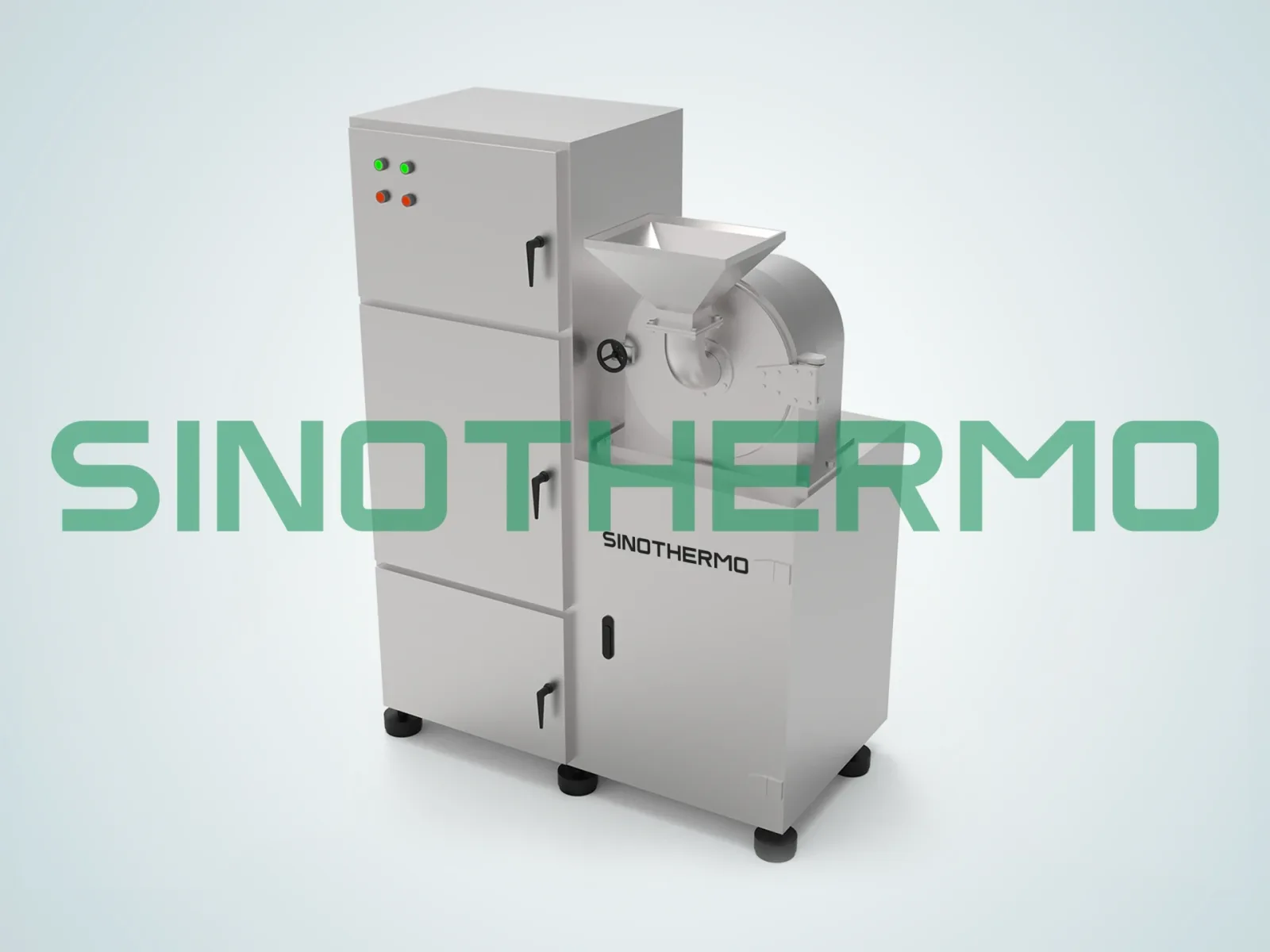
Hammer Mill
Categorie: Polverizzatore
Versatile Pulverizing Technology:
With its versatile pulverizing technology, the Hammer Mill finds applications across industries. Its adaptable design features customizable blades, collection systems, cooling mechanisms and dust-removal systems, making it suitable for processing a wide range of materials.
- Input:
- Brittle solids (< 15mm)
- Output:
- 50 to 150 mesh
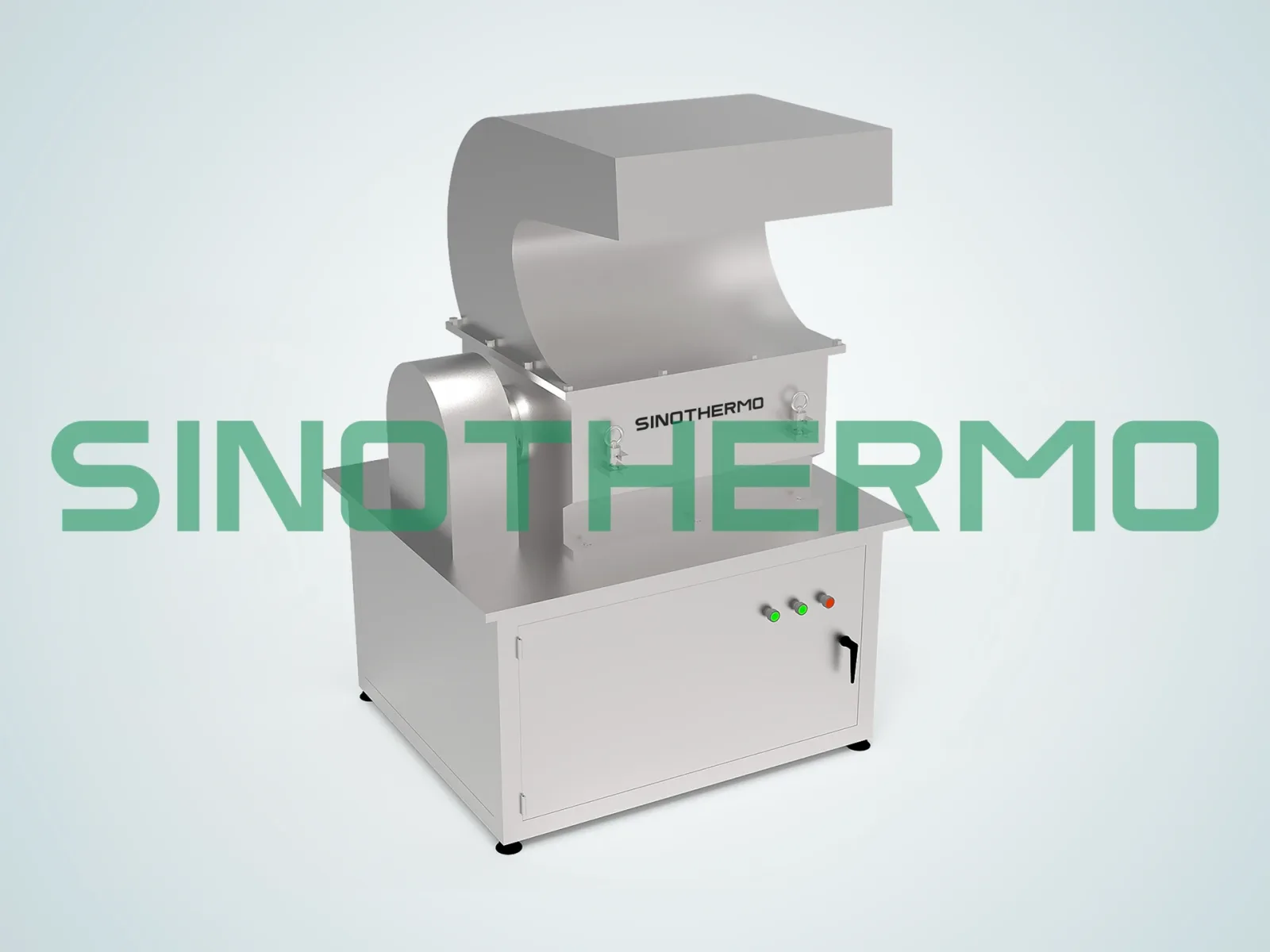
CSJ-Coarse Pulverizer
Categorie: Polverizzatore
Primary Crushing Solution:
Typically used for processing hard, large-sized solid materials, the Coarse Pulverizer effectively serves as a preliminary step before further fine pulverization, optimizing subsequent crushing processes.
- Input:
- Brittle Solids (< 100mm)
- Output:
- 0.5 to 20 mesh
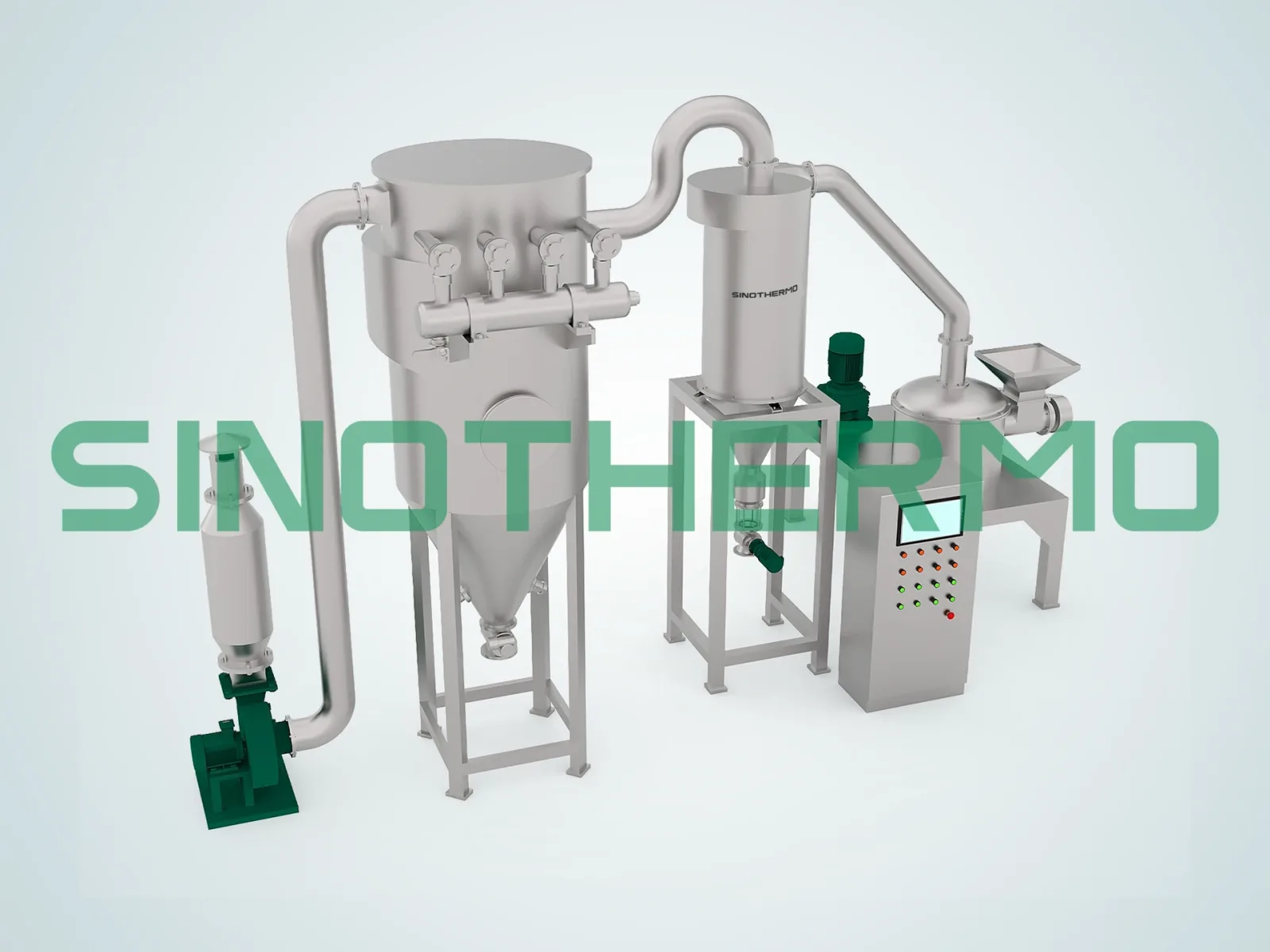
WFJ-Impact Pulverizer
Categorie: Polverizzatore
Optimal Choice for Ultra-Fine Granularity:
The Impact Pulverizer grinds materials to a particle size of 400 mesh or even finer, streamlining manufacturing processes. It can additionally be equipped with a cyclone collector and bag-type dust remover for cleaner processing.
- Input:
- Brittle Solids (up to 10mm)
- Output:
- 80 to 450 mesh
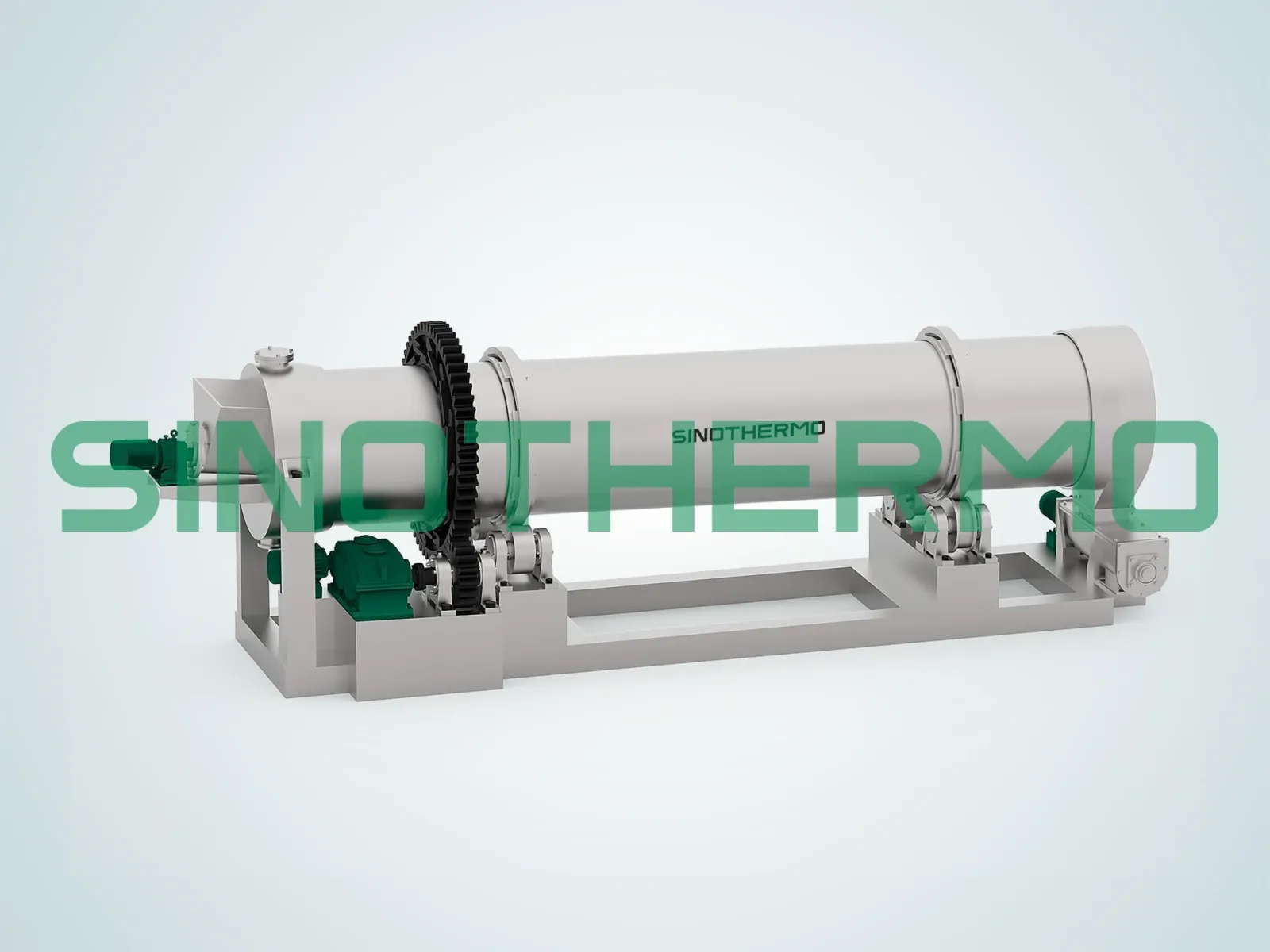
HZG-Rotary Kiln
Categorie: Essiccatore a convezione
Perfect for Large-Scale, Continuous Drying:
Wet material enters at one end of the Rotary Kiln, where internal flights agitate it and blend it thoroughly with hot air. This elongated drum dryer, spanning many metres, can process hundreds of tons per hour, and its drum speed adjusts from 1 to 10 RPM to suit different requirements.
- Input:
- Granular materials
- Output:
- Granules with 3%–5% moisture content
- Temperature:
- Inlet air temperature range of 40°C to 350°C
- Additional Feature:
- Mixing
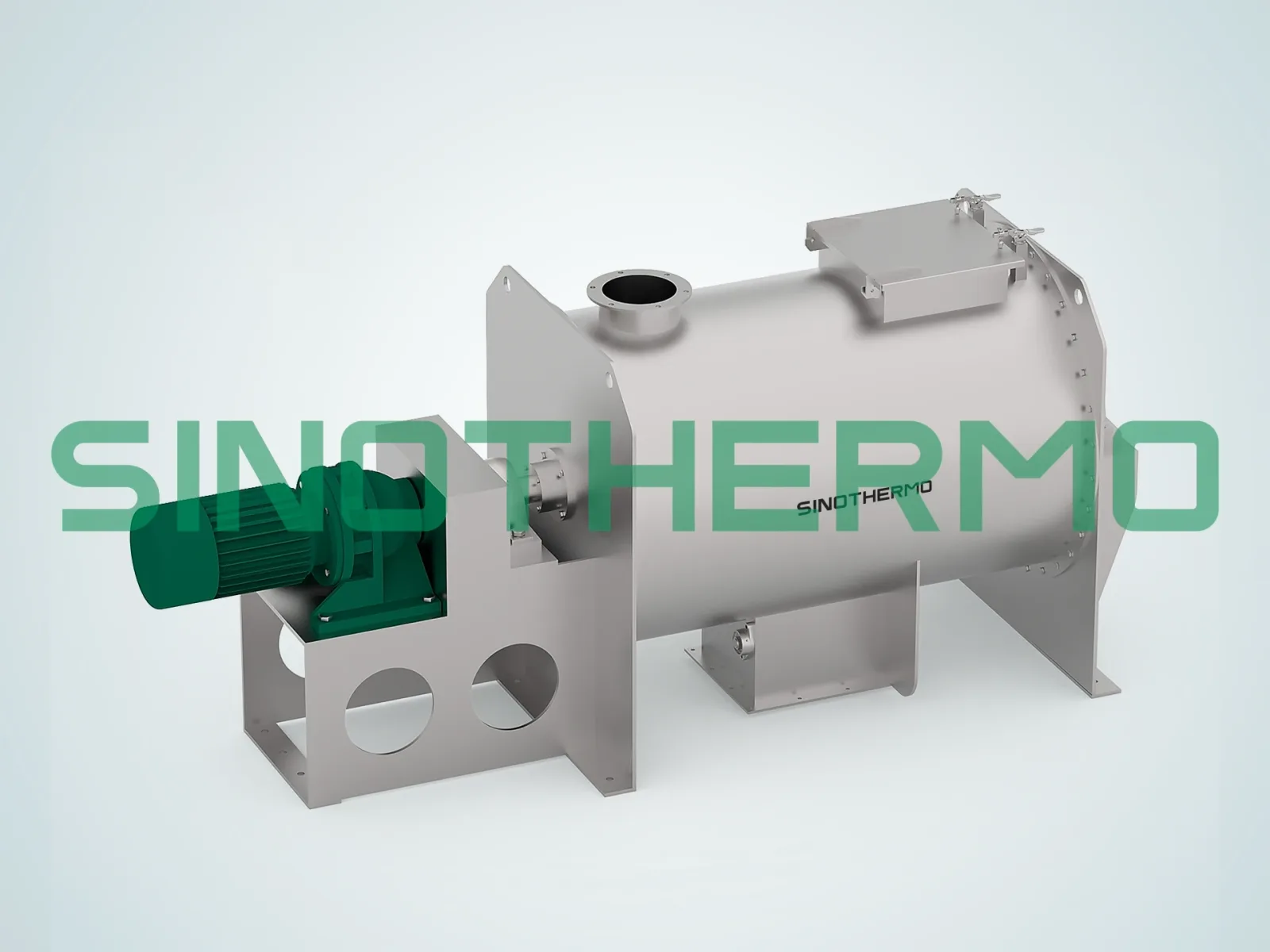
LDH-Ploughshare Mixer
Categorie: Miscelatore, Miscelatore Orizzontale
Great for Processing Materials That Require Breaking Down:
The Ploughshare Mixer consists of a transmission system, a cylinder, ploughshares and flying blades. The ploughshares promote movement along the cylinder wall while high-speed flying blades disperse materials efficiently, ensuring quick and even mixing.
- Input:
- Powders, Granules, Small amounts of liquids
- Type:
- Dry Mixing, Mild Wet Mixing
- Additional Feature:
- Mild Crushing
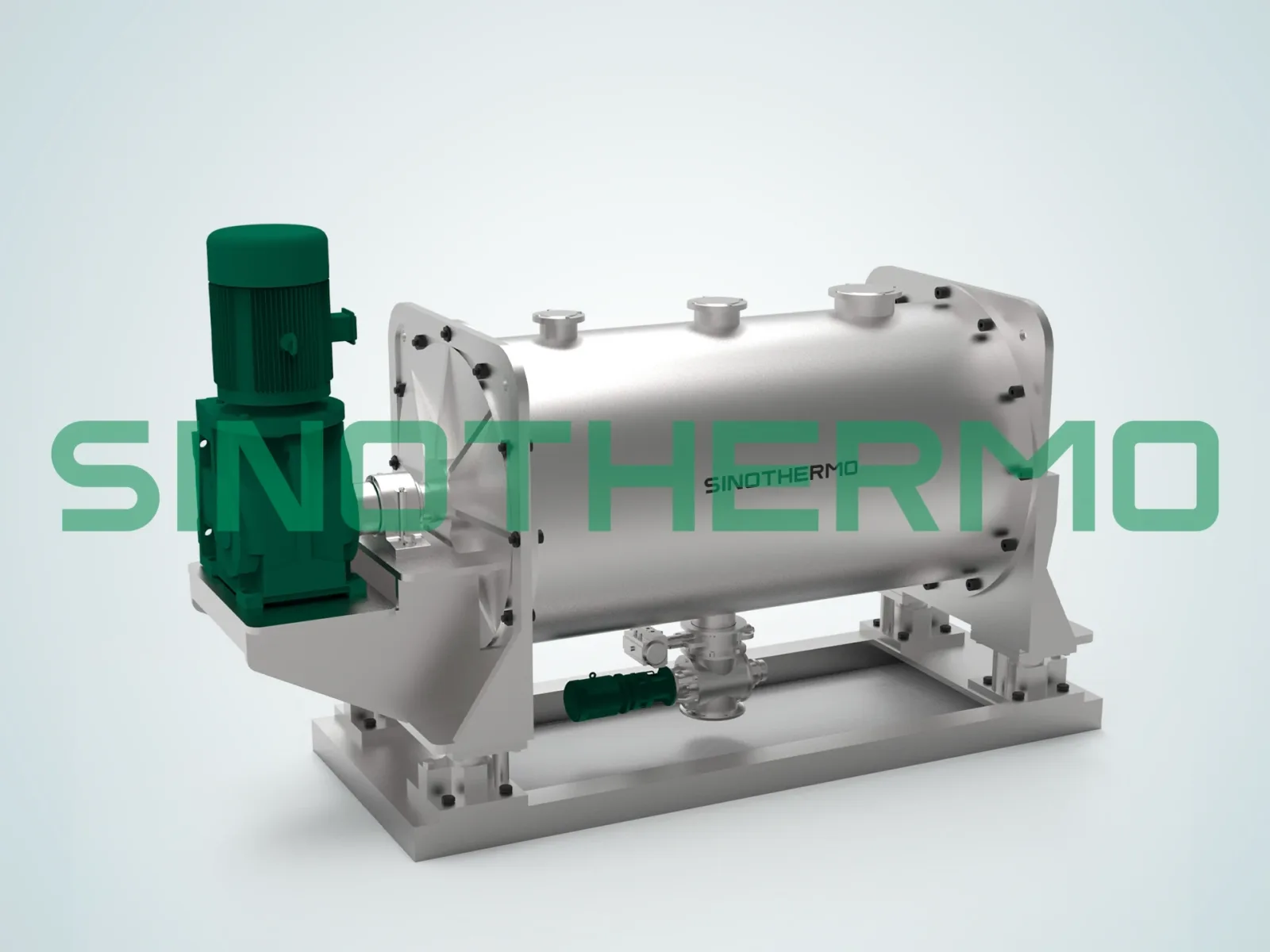
WLDH-Horizontal Ribbon Mixer
Categorie: Miscelatore, Miscelatore Orizzontale, Miscelatore a Nastro
Equipped with Horizontal Screw Belts:
The Horizontal Ribbon Mixer offers efficient material blending. Its cylinder holds a shaft with surrounding ribbon belts that rotate at equal speed: the outer belts move material from both ends toward the center while the inner belts move it from the center back out, folding the batch together for thorough mixing.
- Input:
- Powders, Granules, Small amounts of liquid
- Type:
- Dry Mixing, Mild Wet Mixing
Riduzione dimensionale e miscelazione per il trattamento dei minerali
Il mulino a martelli, il polverizzatore grossolano e il polverizzatore a impatto riducono minerali grezzi e materiali minerali alla granulometria di processo, il forno rotante gestisce la lavorazione metallurgica ad alta temperatura, mentre i miscelatori a vomere e a nastro orizzontale miscelano formulazioni minerali e additivi.
Esigenze di lavorazione per metallurgia e miniere
La macinazione grossolana frantuma il minerale grezzo prima delle fasi di macinazione fine. La macinazione a impatto raggiunge le granulometrie fini necessarie per la lavorazione metallurgica o per la separazione a valle. La lavorazione in forno rotante gestisce la calcinazione e la torrefazione ad alta temperatura tipiche del trattamento dei minerali. La miscelazione a nastro e a vomere combina additivi minerali e formulazioni di processo.
Scopri di più
Chemicals →
Condivide le apparecchiature di polverizzazione utilizzate sia nella lavorazione mineraria che in quella chimica.
Animal Feed and Pet Food →
Condivide la tecnologia del mulino a martelli utilizzata in entrambe le applicazioni di macinazione delle materie prime.
Pharmaceuticals →
Condivide le apparecchiature di miscelazione per eccipienti farmaceutici a base minerale.