Textiles
Textiles covers SINOTHERMO's vacuum paddle dryer and closed-circulation spray dryer used to process textile auxiliary chemicals, dyeing pastes and solvent-based finishing agents. Vacuum drying handles viscous auxiliary pastes without caking, while closed-circulation spray drying safely recovers solvent from flammable treatment chemicals.
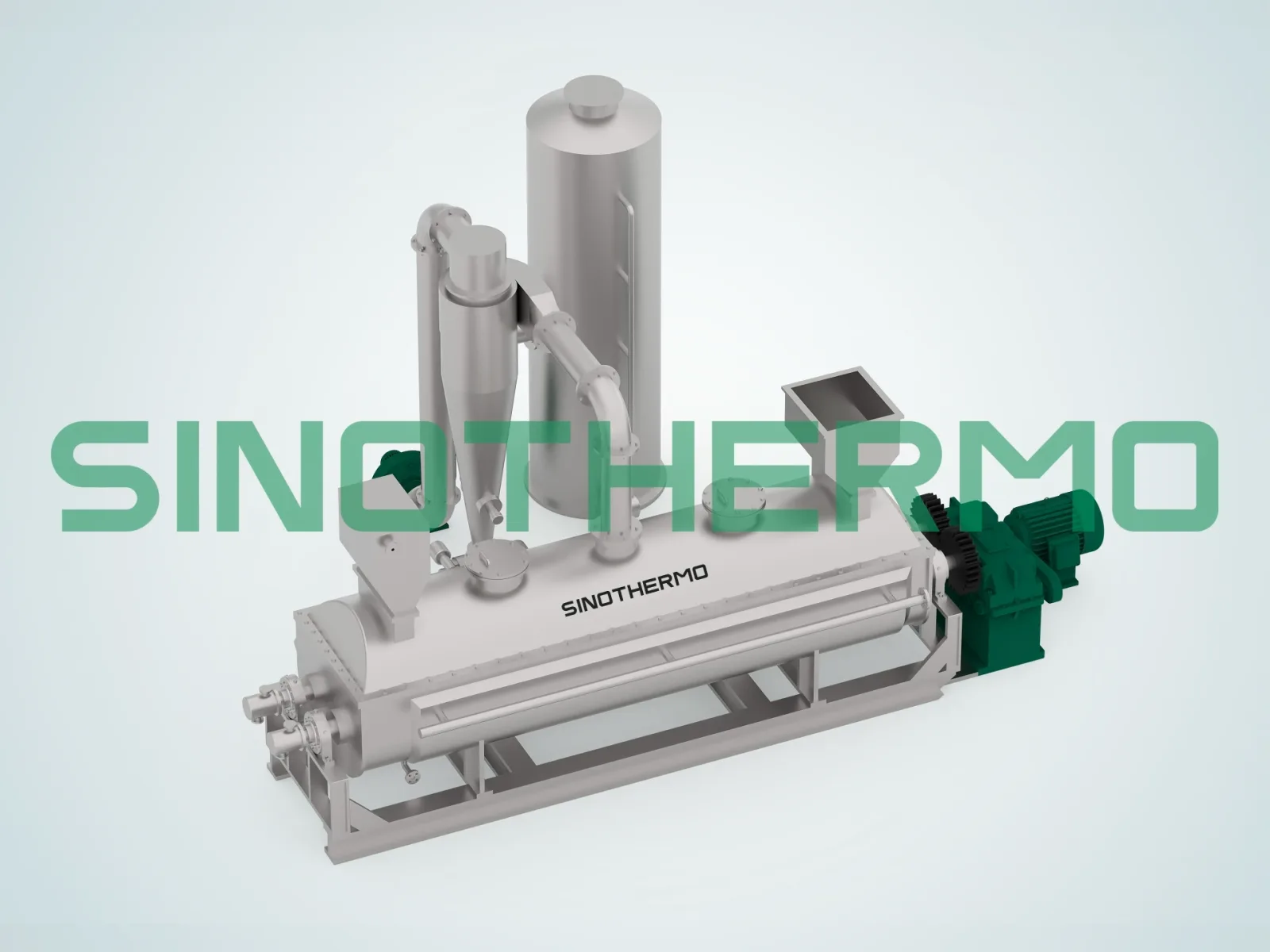
KJG-Vacuum Paddle Dryer
Categories: Conduction and Vacuum Dryer
Vacuum Conduction Dryer with Hollow Paddle Agitator:
With its heating surface and wedge-shaped hollow paddle agitators, the Vacuum Paddle Dryer outperforms conventional rake vacuum dryers in heating effectiveness. It aids in the movement and heating of materials under vacuum, suitable for flammable, explosive, organic solvent-based and heat-sensitive materials.
- Input:
- Liquids, Slurries, Pastes, Mashes
- Output:
- Powder with 3%-10% moisture content
- Temperature:
- Heat source temperature range of 50°C to 200°C
- Additional Feature:
- Mixing, Mild Crushing
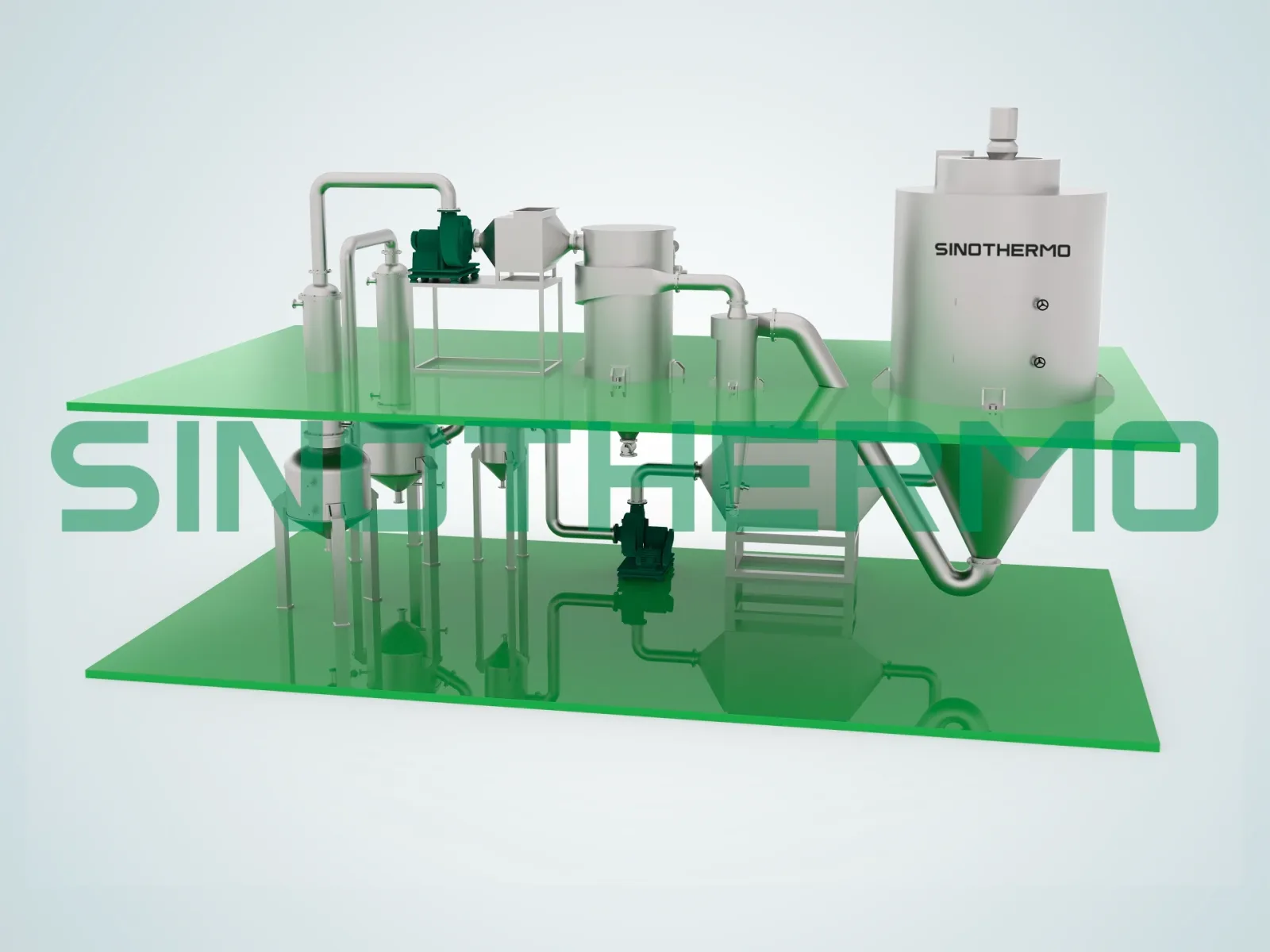
GXP-Closed Circulation Spray Dryer
Categories: Convection Dryer, Spray Dryer
Optimal Drying for Sensitive Materials:
This explosion-proof spray dryer operates in a sealed environment, using inert gas as the drying medium to fully recover solvents from raw materials. The recyclable drying medium provides superior protection for sensitive materials.
- Input:
- Solutions, Emulsions, Suspensions
- Output:
- Powder with 3%–8% moisture content
- Temperature:
- Inlet air temperature range of 100°C to 300°C
- Suitability:
- Anaerobic, explosion-proof and low-temperature conditions
Vacuum Paddle and Closed-Circulation Drying for Textile Chemicals
The KJG vacuum paddle dryer processes textile auxiliary chemical pastes and sludges continuously under vacuum, while the GXP closed-circulation spray dryer handles solvent-based textile treatment chemicals in an explosion-proof, closed-loop system.
Textile Chemical Processing Needs
Vacuum paddle drying handles viscous textile auxiliary and dyeing-chemical pastes without caking on chamber walls. Closed-circulation spray drying recovers solvent and safely processes flammable textile treatment chemical solutions. Both configurations suit the chemical-intensive processing common in textile auxiliary and finishing-agent manufacturing.