Fats and Oils
Fats and Oils covers SINOTHERMO's pressure spray dryer and vacuum paddle dryer used to convert liquid oils, fats and emulsions into stable powder. Pressure-nozzle atomization handles typical oil-emulsion viscosity, while vacuum paddle drying limits heat exposure and prevents oxidation in viscous fat pastes.
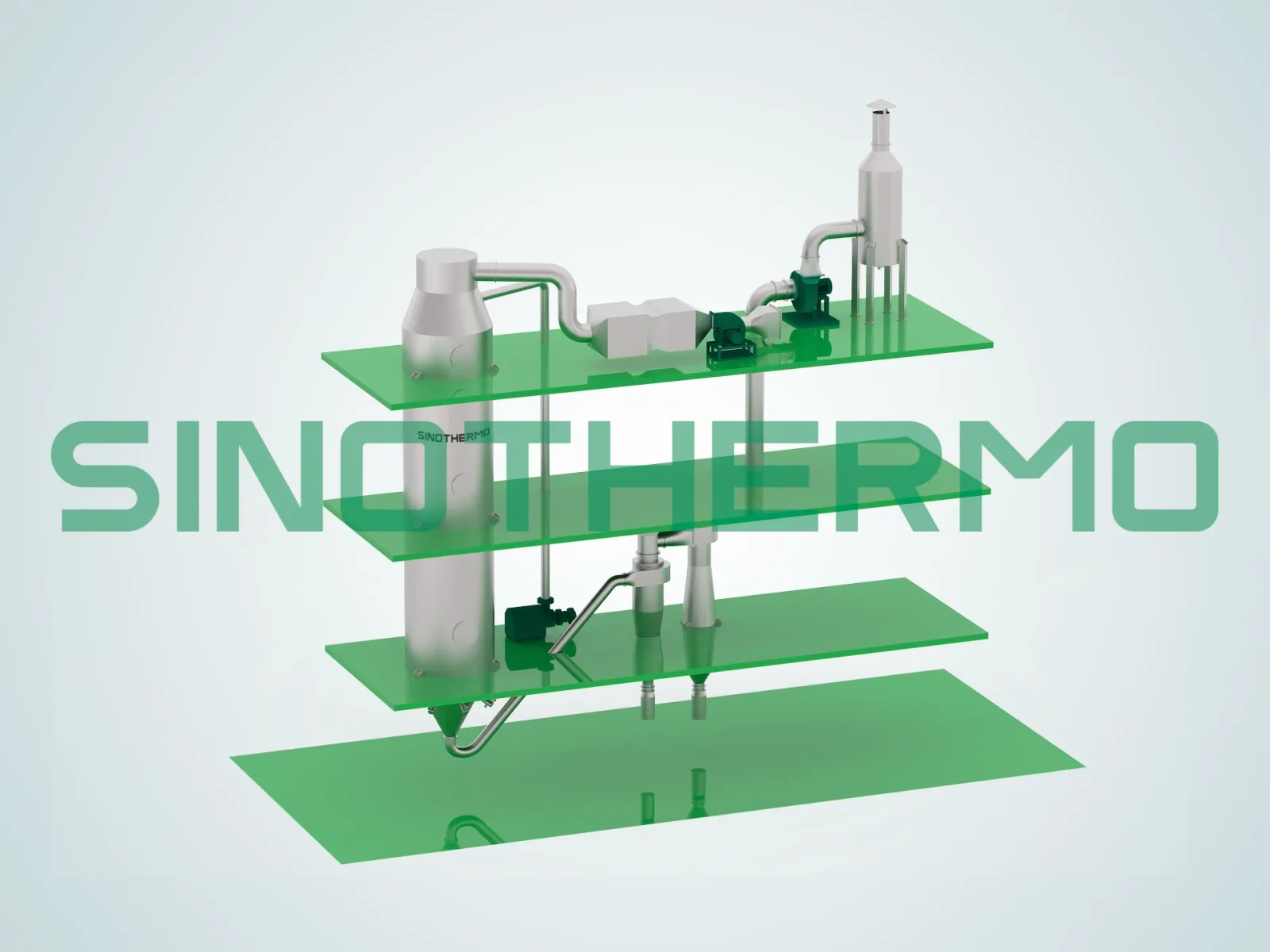
YPG-Pressure Spray Dryer
Categories: Convection Dryer, Spray Dryer
High-Pressure Nozzle Atomization:
The Pressure Spray Dryer atomizes feed liquid through high-pressure nozzles, producing coarser and denser granules with excellent flowability — widely used for foods, chemicals and dairy powders.
- Input:
- Solutions, Emulsions, Suspensions
- Output:
- Coarse powder or granules with 3%-5% moisture content
- Temperature:
- Inlet air temperature range of 150°C to 350°C
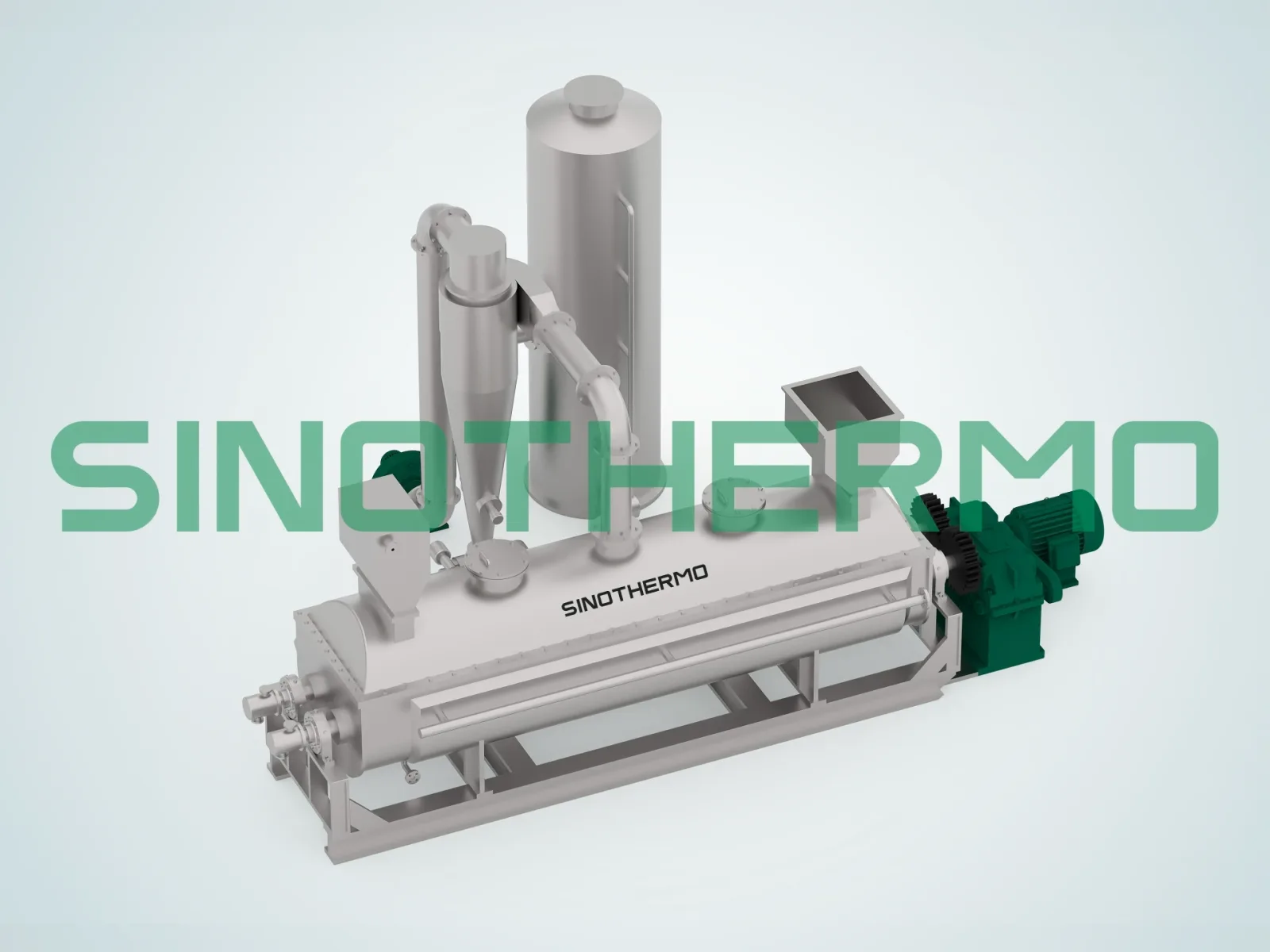
KJG-Vacuum Paddle Dryer
Categories: Conduction and Vacuum Dryer
Vacuum Conduction Dryer with Hollow Paddle Agitator:
With its heating surface and wedge-shaped hollow paddle agitators, the Vacuum Paddle Dryer outperforms conventional rake vacuum dryers in heating effectiveness. It aids in the movement and heating of materials under vacuum, suitable for flammable, explosive, organic solvent-based and heat-sensitive materials.
- Input:
- Liquids, Slurries, Pastes, Mashes
- Output:
- Powder with 3%-10% moisture content
- Temperature:
- Heat source temperature range of 50°C to 200°C
- Additional Feature:
- Mixing, Mild Crushing
Spray Drying and Vacuum Drying for Liquid Oil Processing
The YPG pressure spray dryer converts liquid oil and fat emulsions into powder using coarser, free-flowing granule formation, while the KJG vacuum paddle dryer processes viscous fat and oil pastes continuously under vacuum without caking.
Fats and Oils Processing Considerations
Pressure-nozzle spray drying handles the viscosity range typical of fat and oil emulsions better than fine centrifugal atomization. Vacuum paddle drying keeps viscous, sticky oil-based pastes moving through the drying chamber continuously. Both configurations limit heat exposure, protecting oil quality and preventing oxidation during processing.