Convective Drying
Convective Drying covers SINOTHERMO's spray, flash, tray, belt and kiln dryers that transfer heat by direct hot-air contact with material. This is the fastest and most widely used drying principle across the product range, working across liquids, slurries, granules and bulk solids alike.
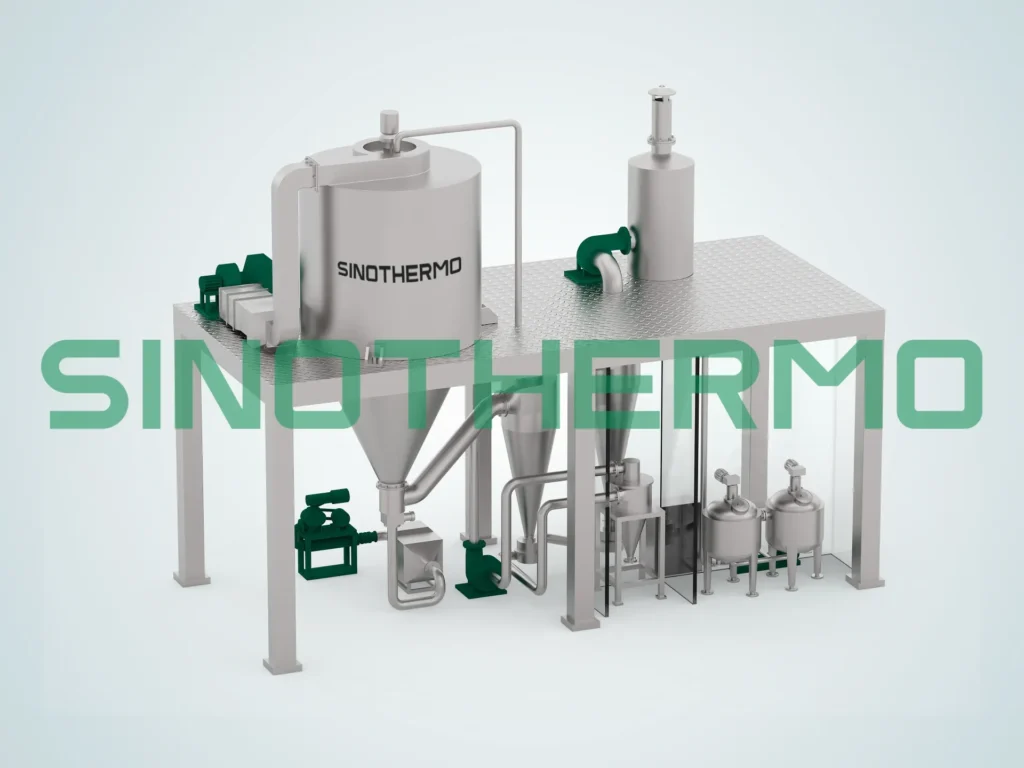
LPG-Centrifugal Spray Dryer
Categories: Convection Dryer, Spray Dryer
Advanced Liquid-to-Powder Process:
A high-speed centrifugal atomizer at the tower's peak transforms materials into super fine liquid drops that dry quickly upon contact with hot air — perfect for precise particle size, moisture, density and shape standards.
- Input:
- Solutions, Emulsions, Suspensions
- Output:
- Powder with 3%-5% moisture content
- Temperature:
- Inlet air temperature range of 150°C to 500°C
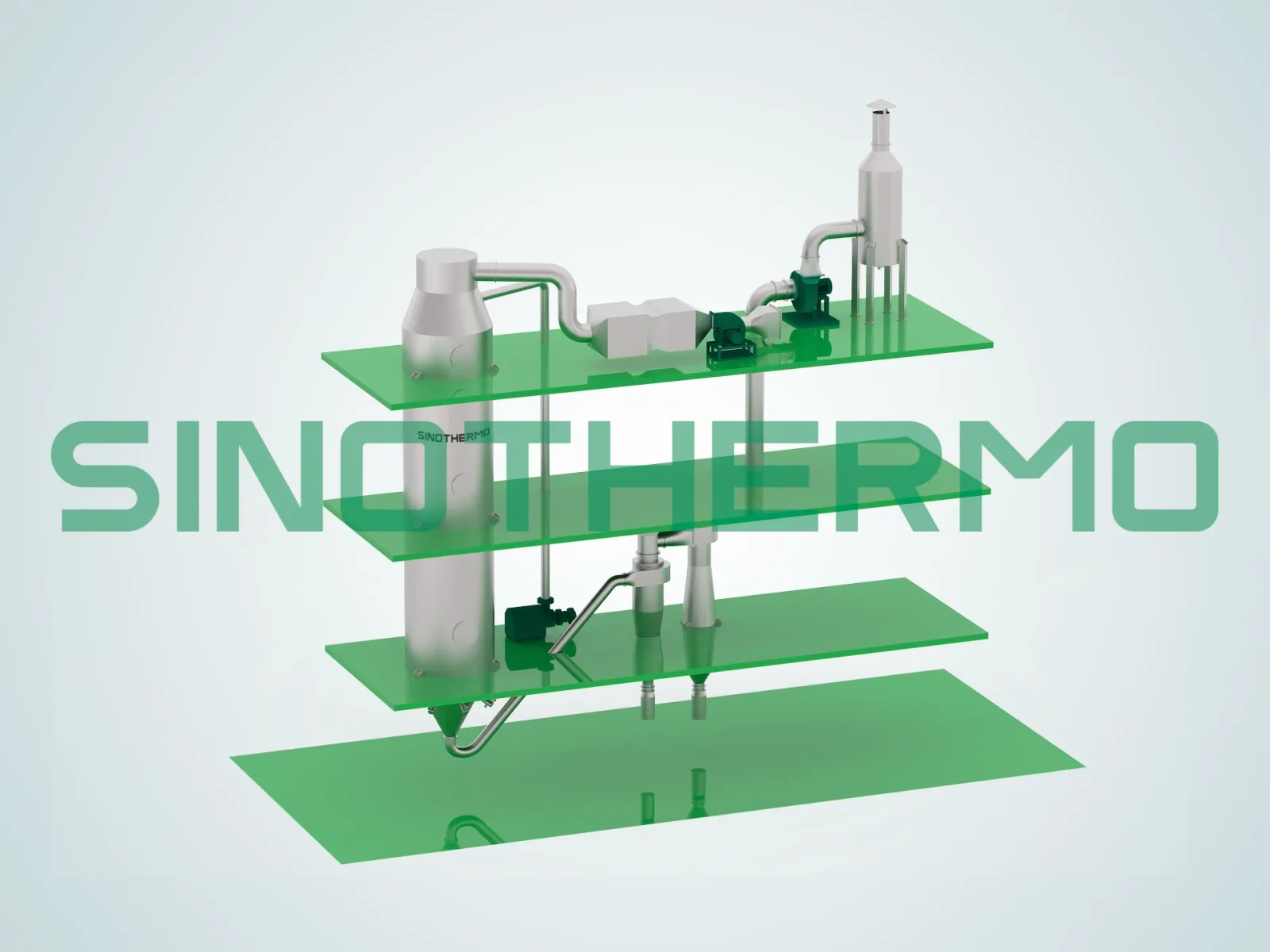
YPG-Pressure Spray Dryer
Categories: Convection Dryer, Spray Dryer
High-Pressure Nozzle Atomization:
The Pressure Spray Dryer atomizes feed liquid through high-pressure nozzles, producing coarser and denser granules with excellent flowability — widely used for foods, chemicals and dairy powders.
- Input:
- Solutions, Emulsions, Suspensions
- Output:
- Coarse powder or granules with 3%-5% moisture content
- Temperature:
- Inlet air temperature range of 150°C to 350°C
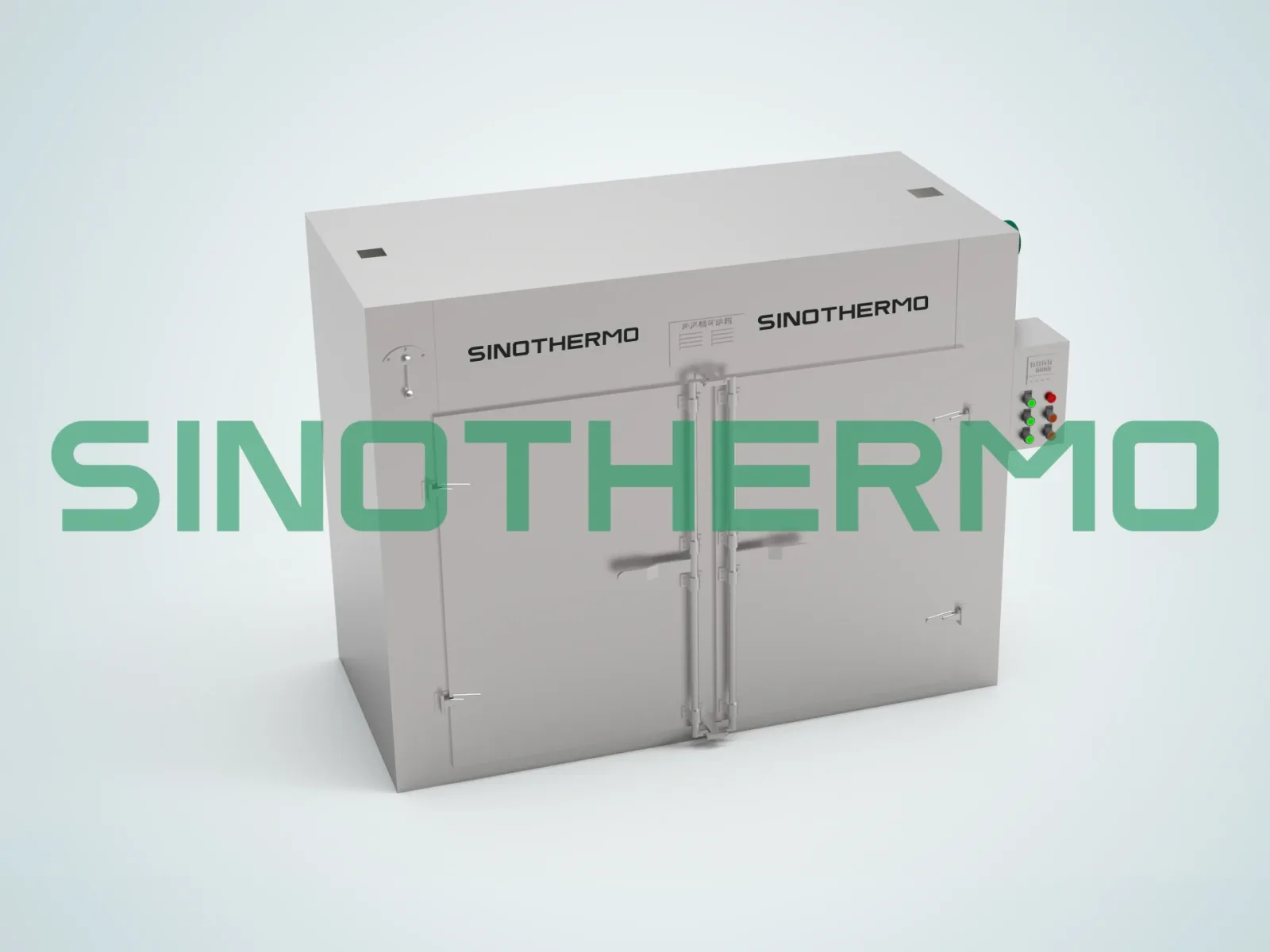
CT-C Hot Air Circulation Tray Dryer
Categories: Convection Dryer
Hot Air Circulation Batch Drying:
The Hot Air Circulation Tray Dryer warms materials evenly on trays with forced hot-air circulation. Simple, reliable batch drying for granules, powders, herbs and food ingredients.
- Input:
- Granules, Powders, Herbs, Sliced Materials
- Output:
- Dried solids with uniform moisture content
- Temperature:
- Hot air temperature ≤140°C
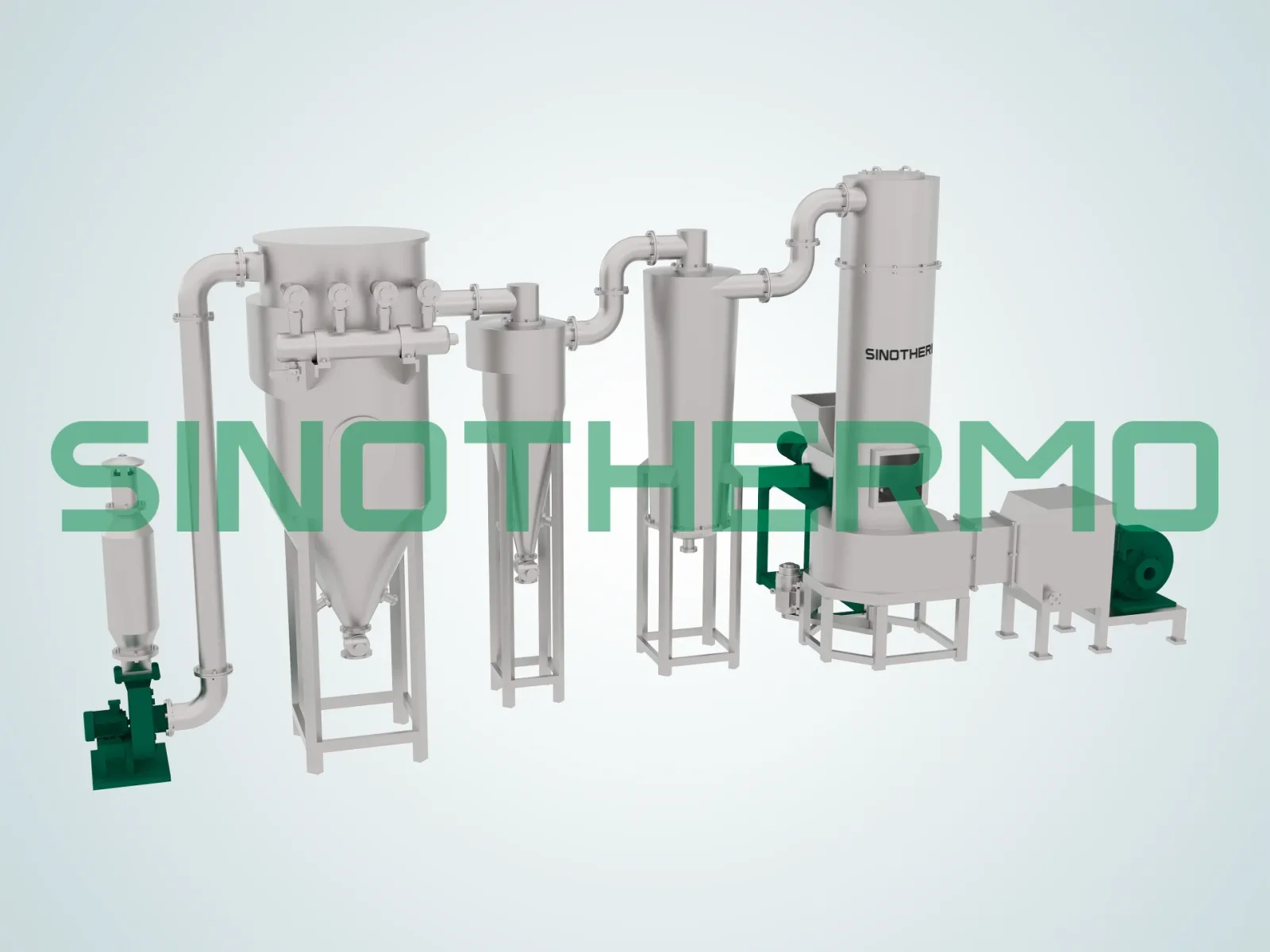
XSG-Spin Flash Dryer
Categories: Convection Dryer, Flash Dryer
One-Step Continuous Flash Drying:
The Spin Flash Dryer dries pastes and filter cakes in a single continuous step. Hot air and mechanical agitation break up material while drying — no pre-crushing needed.
- Input:
- Pastes, Filter Cakes, Thick Slurries
- Output:
- Powder with 3%-8% moisture content
- Temperature:
- Inlet air temperature range of 150°C to 350°C
DW-Belt Dryer
Categories: Convection Dryer
Continuous Convection Dryer with Mesh Belt:
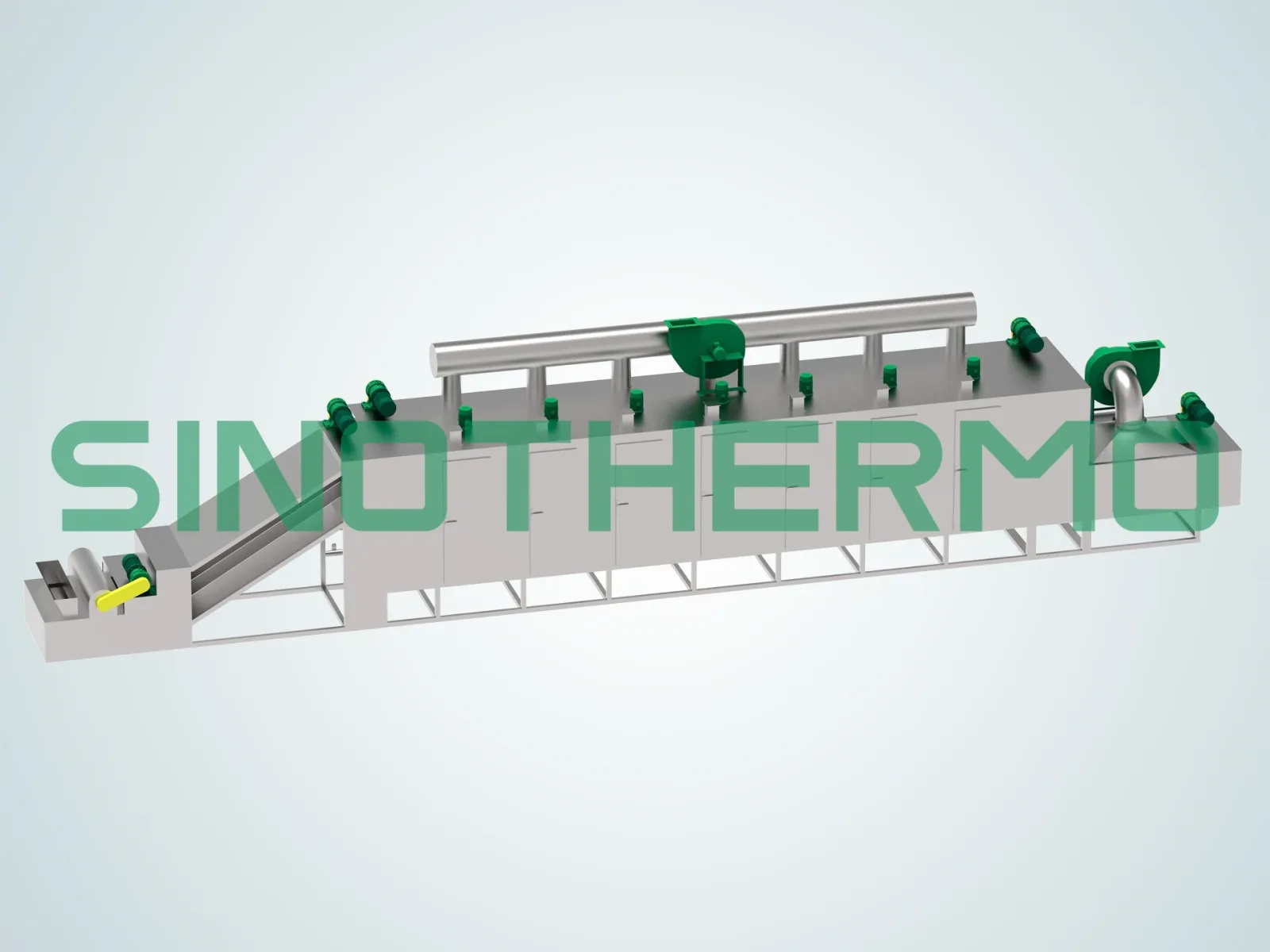
The Belt Dryer can be configured with single or multiple mesh-belt layers, spreading material evenly for directional hot-air drying. Belt speed adjusts to each material's temperature and moisture content, so it runs at comparatively low temperatures while continuously processing large batches.
- Input:
- Permeable solids in sheets, strips, granules or blocks
- Output:
- Sheet, strip, granule or block solids with 3%–8% moisture content
- Temperature:
- Inlet air temperature < 200°C
- Additional Feature:
- Cooling
HZG-Rotary Kiln
Categories: Convection Dryer
Perfect for Large-Scale, Continuous Drying:
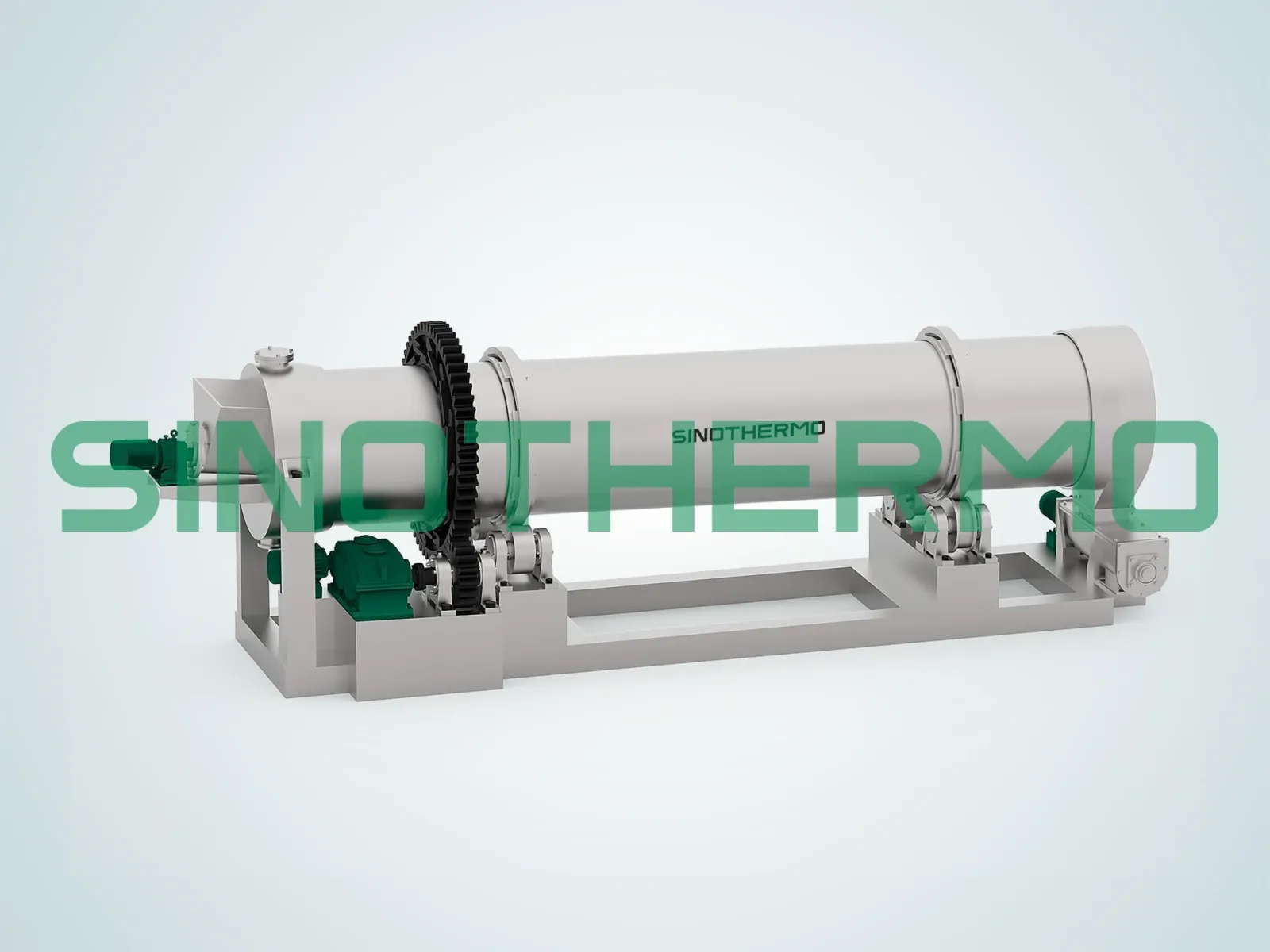
Wet material enters at one end of the Rotary Kiln, where internal flights agitate it and blend it thoroughly with hot air. This elongated drum dryer, spanning many metres, can process hundreds of tons per hour, and its drum speed adjusts from 1 to 10 RPM to suit different requirements.
- Input:
- Granular materials
- Output:
- Granules with 3%–5% moisture content
- Temperature:
- Inlet air temperature range of 40°C to 350°C
- Additional Feature:
- Mixing
GXP-Closed Circulation Spray Dryer
Categories: Convection Dryer, Spray Dryer
Optimal Drying for Sensitive Materials:
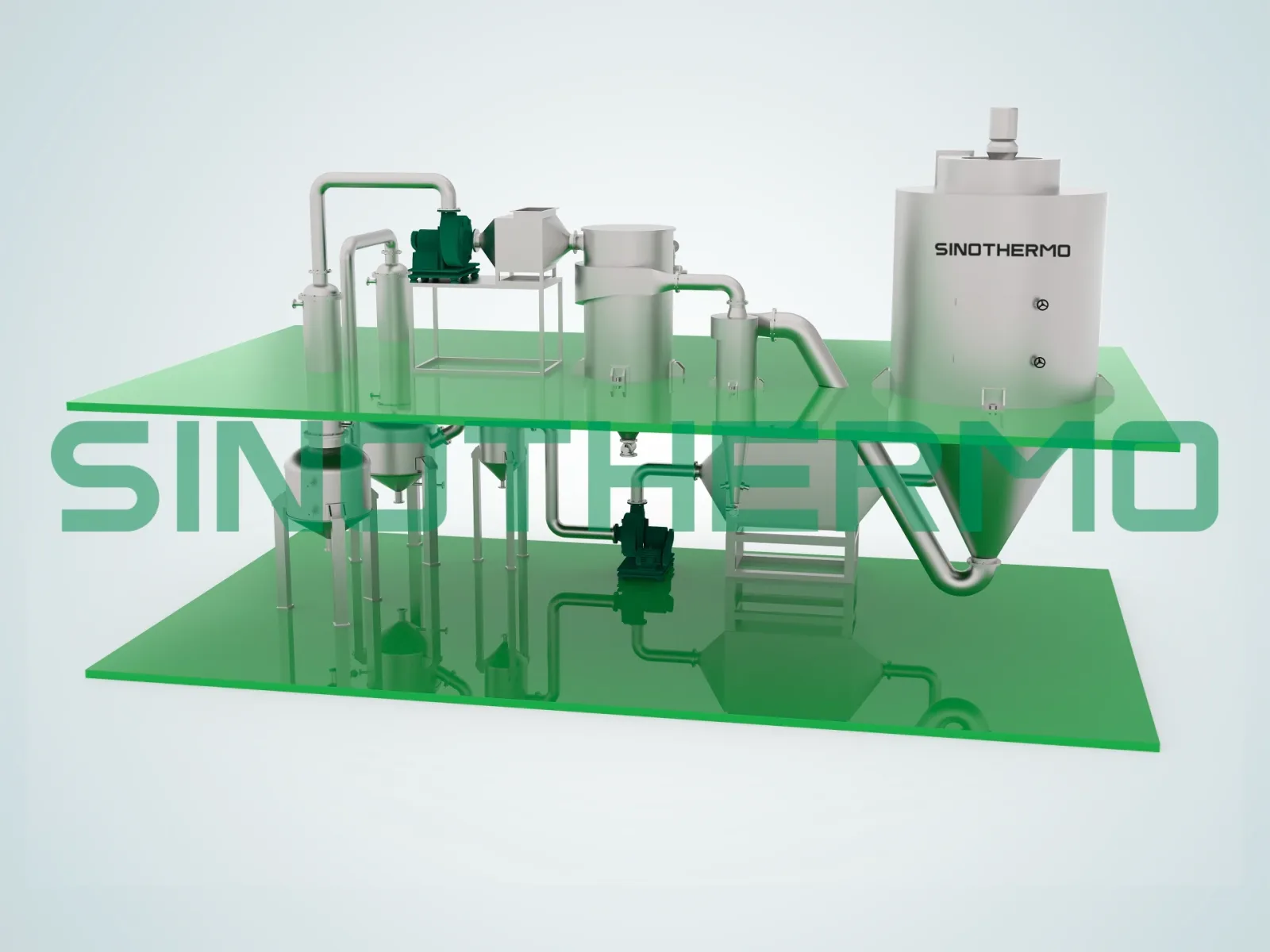
This explosion-proof spray dryer operates in a sealed environment, using inert gas as the drying medium to fully recover solvents from raw materials. The recyclable drying medium provides superior protection for sensitive materials.
- Input:
- Solutions, Emulsions, Suspensions
- Output:
- Powder with 3%–8% moisture content
- Temperature:
- Inlet air temperature range of 100°C to 300°C
- Suitability:
- Anaerobic, explosion-proof and low-temperature conditions
ZLPG-Extract Spray Dryer
Categories: Convection Dryer, Spray Dryer
Specialized Spray Dryer for Extracts:
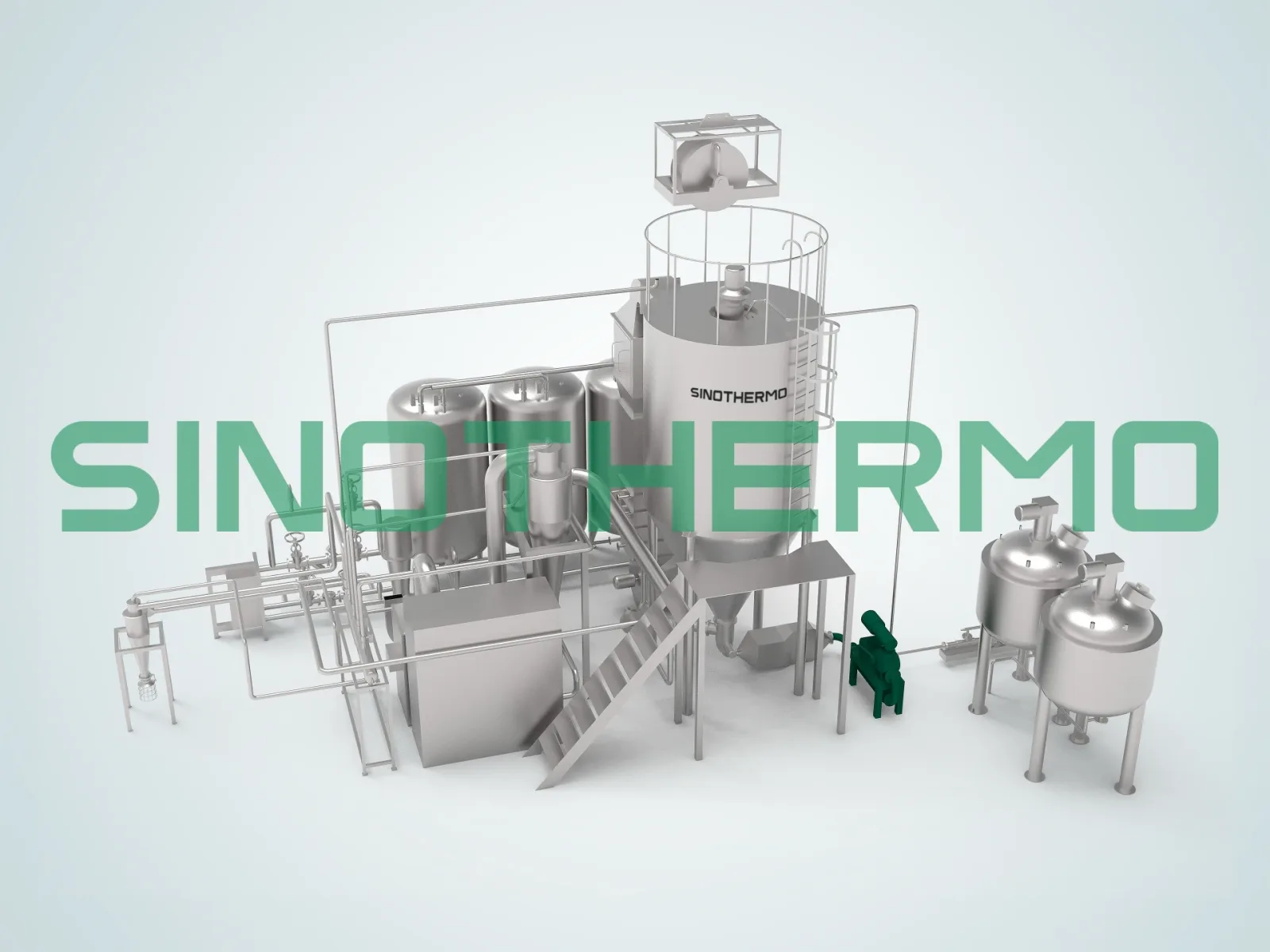
The Extract Spray Dryer features a cylinder equipped with a cooling system specifically designed for drying extracts while keeping wall temperatures below 80°C. It includes an airbrush that cleans the walls during operation to prevent adhesion and protect the powder from burning.
- Input:
- Extracts (Liquid)
- Output:
- Extracts (Powder) with 3%–8% moisture content
- Temperature:
- Inlet air temperature range of 140°C to 180°C
- Additional Features:
- Freeze dehumidification, Air brush for tower cleaning
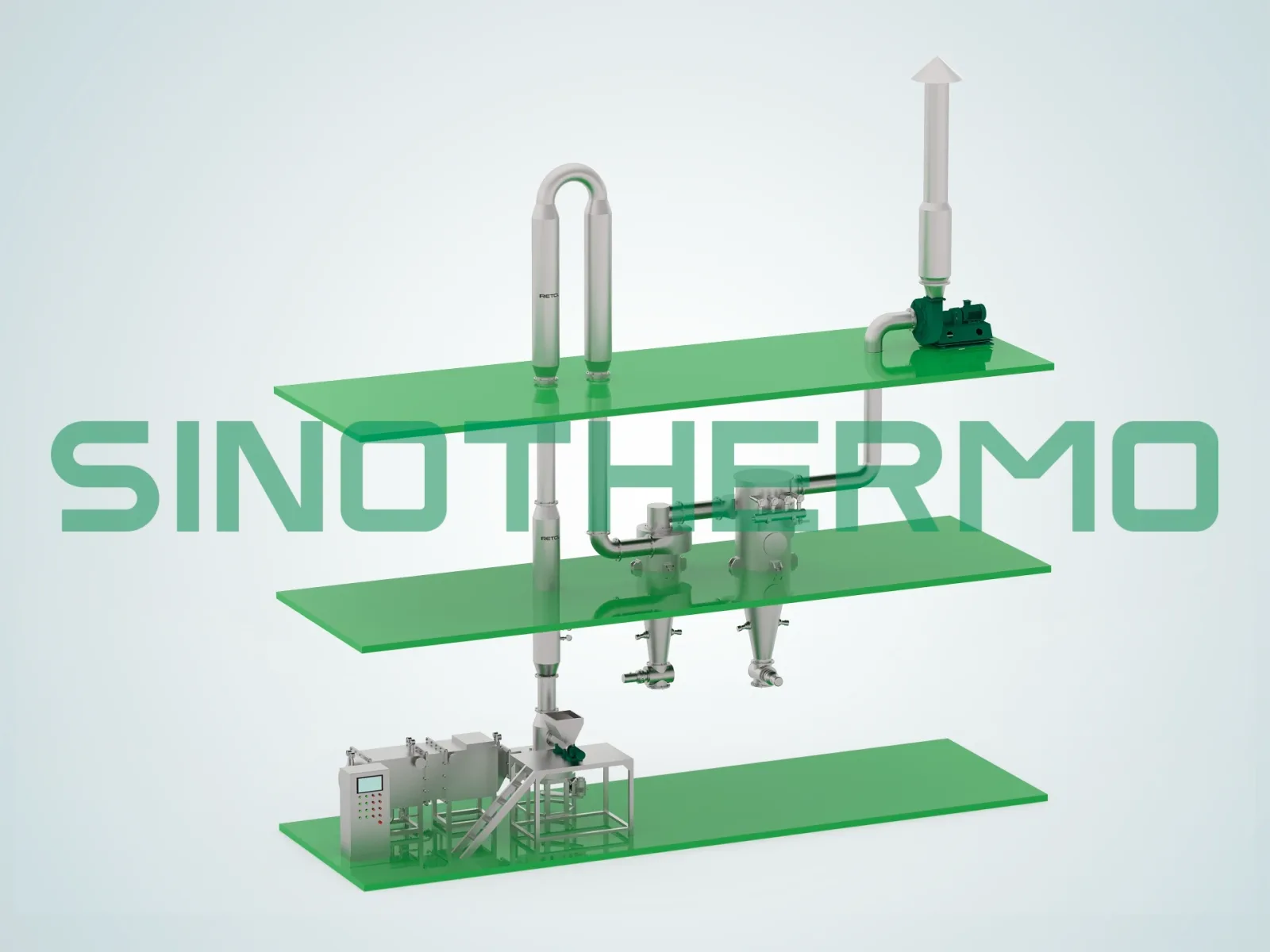
Pneumatic Flash Dryer
Categories: Convection Dryer, Flash Dryer
Integrated Handling for Heat-Sensitive, Loose Solid Materials:
Designed for temperature-sensitive and slightly viscous materials, this equipment offers a wide range of uses for loose solid materials. Its modular design allows drying and grinding stages to be added to meet varying customer requirements.
- Input:
- Non-viscous, loose solid materials
- Output:
- Powder, granules, with 3%–6% moisture content
- Temperature:
- Inlet temperature < 200°C
- Additional Feature:
- Grinding
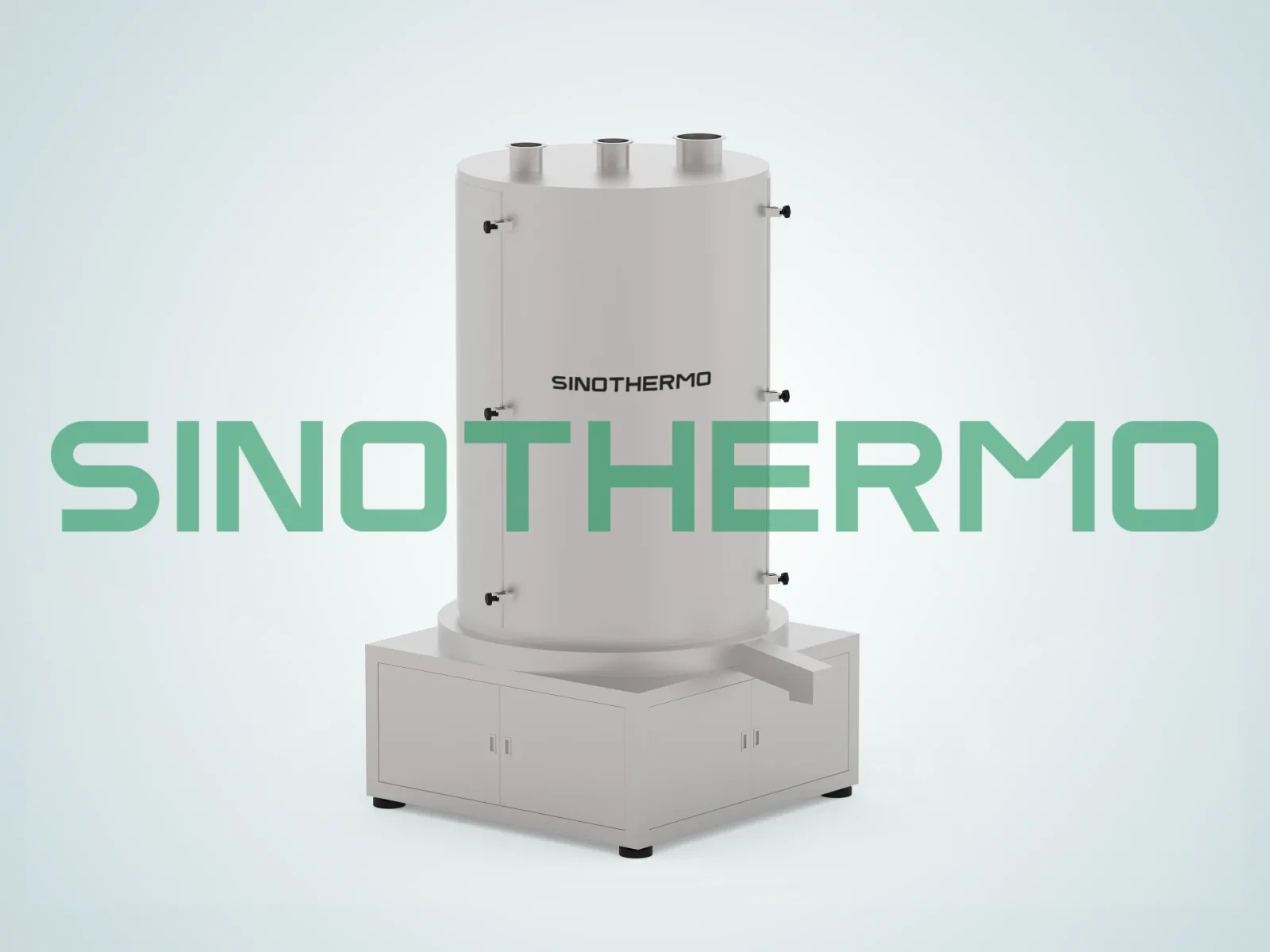
LZG-Spiral Vibrating Dryer
Categories: Convection Dryer, Vibrating Dryer
Method for Drying Pellets and Granules:
The Spiral Vibrating Dryer dries materials by using centrifugal vibration and gravity to move them in a bouncing path from top to bottom along a spiral bed. Fresh hot air enters from below, interacting thoroughly with the material for heat and mass transfer before leaving through the top — ensuring even drying.
- Input:
- Granular, short-rod and spherical solids with < 20% moisture
- Output:
- Granules, short rods and spheres with 3%–5% moisture
- Temperature:
- Inlet air temperature < 100°C
- Additional Feature:
- Cooling
Direct Hot-Air Contact Across Spray, Flash and Kiln Designs
Convective drying transfers heat by direct contact between hot air and material — spray dryers (LPG, YPG, GXP, ZLPG) atomize liquids into the air stream, flash dryers (XSG, Pneumatic) disperse wet cake into fast-moving hot air, and tray (CT-C), belt (DW), kiln (HZG) and vibrating (LZG) dryers move bulk solids through a hot-air environment.
Advantages of Convective Heat Transfer
Fast drying rates since hot air contacts material directly rather than through a heated surface. Works across a wide range of feed forms, from liquids and slurries to granules and bulk solids. Scales easily from small batch tray drying to large continuous kiln or belt installations.