Evaluating spray dryer manufacturers is a due diligence exercise with seven verifiable questions: is this company actually manufacturing, can it engineer a process rather than only build a vessel, how deep does its customisation go, is every quotation scoped the same way, what materials and compliance framework govern your build, who owns after-sales support, and how will acceptance be proved. Each can be tested with a specific question and a specific piece of evidence.
Take this question set to every supplier on your shortlist — and to the ones you have not shortlisted yet. It requires you to insist claims be evidenced, not to become a drying specialist.
This article stays on the supplier layer. For the equipment itself, see the spray dryer machine guide and how spray drying works; for budget structure, the spray dryer cost guide.
1. Manufacturer, or trading company?
Both models are legitimate; a competent trading company can be a reasonable route for a simple standard machine. The problem is not knowing which one you have, because it decides who is accountable when a weld leaks or a control sequence needs rewriting.
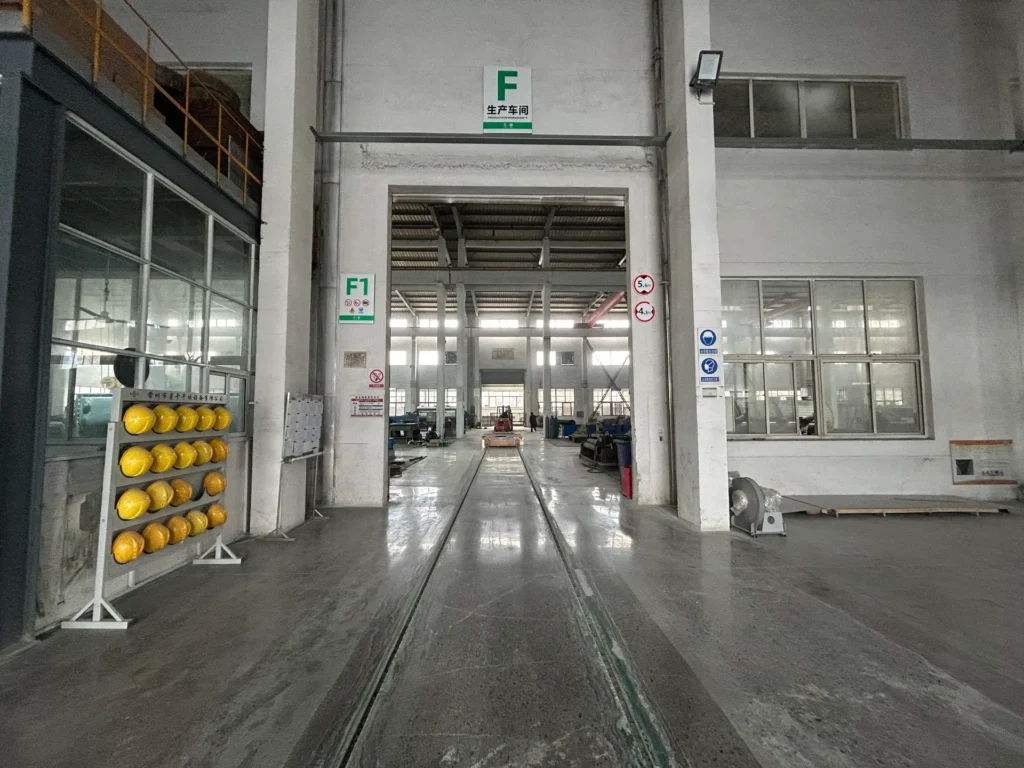
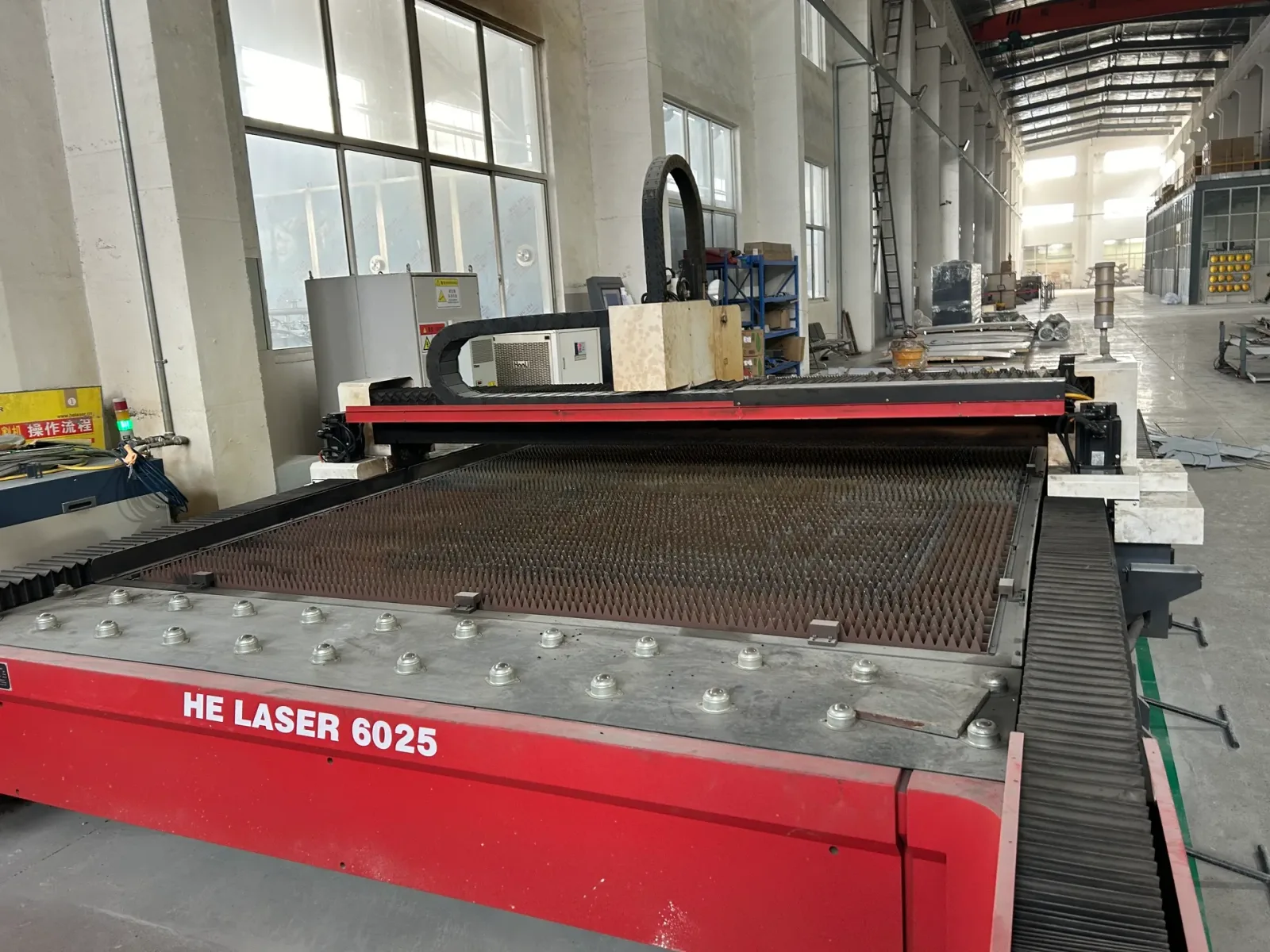
Ask for: the address of the factory that will fabricate your machine, distinct from the sales office; the fabrication equipment held on that site; an unscheduled live video walk-through of machines currently in build, not a corporate film; and an audit slot for your own team or an inspection agency you appoint.
A passing answer connects those without friction: the address matches the quotation's entity, the equipment matches what you see, and someone technical holds the camera and answers in real time. A machine mid-assembly beats a finished one — weld quality and wiring practice are still visible.
Slow down if the visit is always "next quarter", the video is pre-recorded and cut, or invoicing and manufacturing entities differ with no explanation. Subcontracting is normal, often unavoidable for panels or filters; not knowing what is subcontracted is the issue.
A useful secondary signal is whether the company holds engineering assets in its own name — patents, drawings, test rigs. Ours are on the patent wall page and our Changzhou, China factory on the about page. Look for the equivalent from whoever you are assessing.
2. Process capability versus machine-building capability
This is where most shortlists separate. Building a drying chamber is a fabrication skill; knowing what inlet/outlet conditions, atomisation method and airflow pattern your feed needs is a process skill. A company can be good at the first without having the second.
Ask for: a pilot laboratory on their own site; a trial on your actual material, not a similar one; a written deliverable — drying curve, parameters used, powder properties achieved, basis for production sizing; confidentiality terms for your sample and data; and whether the trial is chargeable.
A passing answer treats the trial as an engineering service with a defined output, stated in advance. Expect it to be paid — an instrumented trial consumes lab time and engineering hours. Being charged is not a warning sign; being promised a trial with no defined deliverable is.
Slow down if the "lab" is a partner facility they cannot schedule, the trial can only run on a material they choose, or the result is verbal reassurance plus a quotation rather than a document your process team can check.
One more question separates a supplier who has scaled a process from one who has only sold machines at several sizes: have you taken a process from bench through pilot to production, and what changed? The honest answer is never "nothing" — behaviour shifts with chamber geometry and residence time. The lab, pilot and industrial spray dryer comparison explains why, and the pilot test checklist covers preparing a sample and what to require in the report.
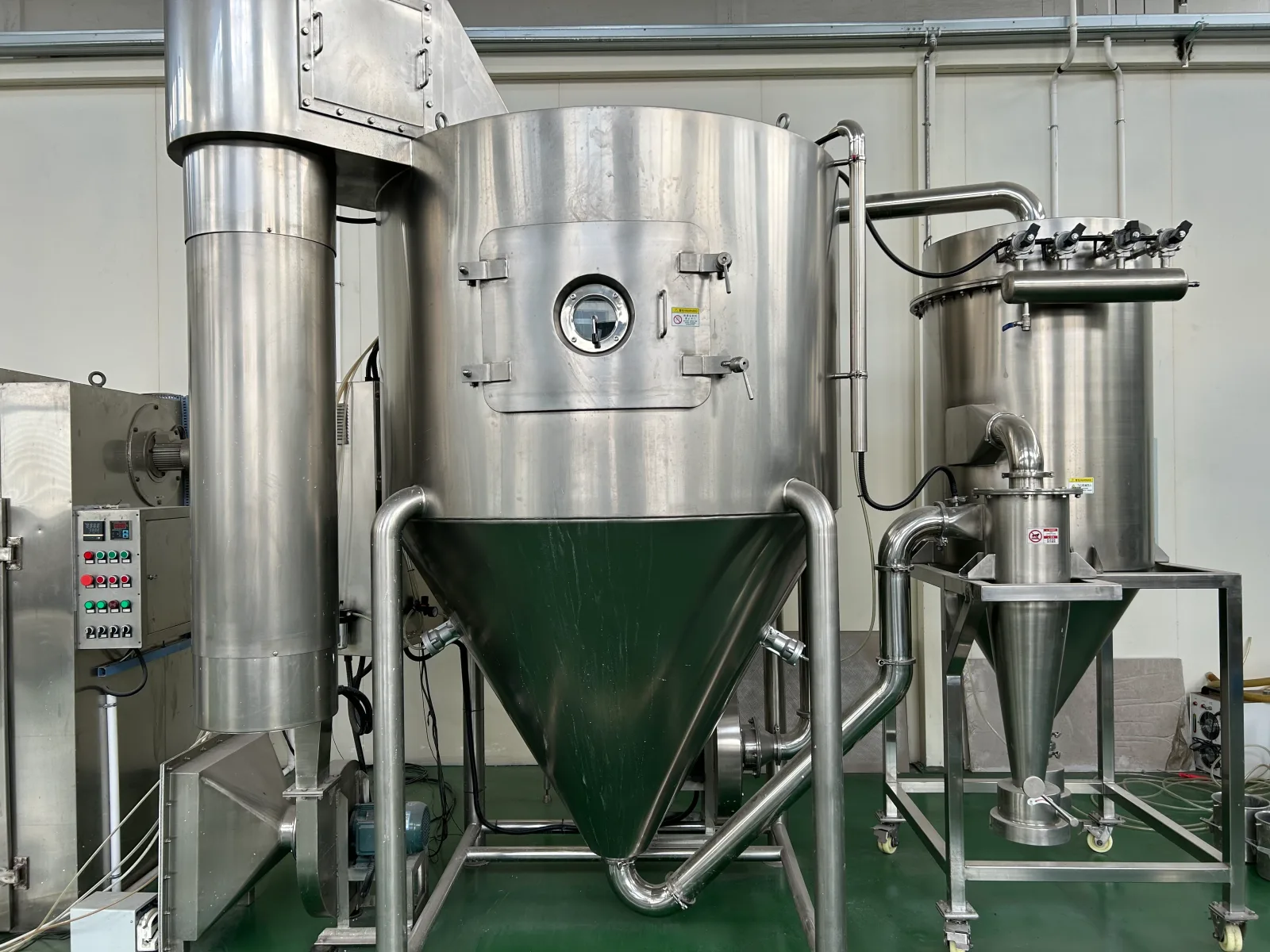
3. How deep does "customised" actually go?
Almost every supplier uses the word — it covers everything from changing a nozzle to redesigning the chamber. Ask them to describe the last three machines they modified and what changed, then which rows below they can do, and who performs the calculation.
| Level | What it means |
|---|---|
| Configuration | Materials, finishes, instruments and auxiliaries changed on a standard frame |
| Dimensional | A standard model scaled up or down to hit your capacity |
| Atomisation | Switching between rotary, pressure-nozzle and two-fluid atomisation for your feed |
| Chamber geometry | Height-to-diameter, air distributor and cone recalculated around your drying kinetics |
| Integrated line | Feed, dryer, powder recovery, conveying and packing engineered as one balance |
A passing answer places the supplier honestly on the table and explains what data moves them a row down it. A supplier for whom everything is possible, with no data request, has told you nothing.
Slow down if dimensional scaling is presented as process customisation, or atomisation is chosen before anyone asks about solids content, viscosity and heat sensitivity — it shapes your powder more than any other decision, so it should follow the material, not the model number. Our centrifugal spray dryer page shows what gets specified at this level; the spray dryer category shows the alternatives it is chosen against.
4. Bring every quotation onto one baseline
Quotations are hard to compare because the scope boundary genuinely differs between companies — some quote a drying tower, some quote a line. Issue a one-page scope sheet with your enquiry and require every supplier to mark each line included / optional / excluded:
- Capacity as kilograms of water evaporated per hour, with the inlet and outlet air temperatures it assumes — not feed rate, not chamber volume
- Atomisation system and its consumables
- Air heater, including energy source
- Powder recovery: cyclone, bag filter, wet scrubber — which, and how many stages
- Control system: panel, PLC, instrumentation, recipes, data logging, remote access
- Feed system, pumps, product-contact piping
- Insulation, cladding, platforms, ladders
- Documentation package
- Installation supervision, commissioning, operator training
- Packing, incoterm, delivery point
- Spare parts kit, itemised
The bottom-line number only means something once every supplier has answered the same lines. A quotation outside the range in either direction is normal; what matters is whether the difference is explainable line by line.
5. Materials, finishes and the compliance framework
Ask for the material grade of every product-contact surface — not "stainless steel" but the grade — its finish specification and how it is verified, and which regulatory framework the supplier is designing to.
A passing answer keeps three things apart: the design standard the machine is built to (for hygienic duty this is finish specification, drainability and cleanability, evidenced by drawings, not a logo); the conformity requirement for the market of installation, which sets what documentation must exist before service; and the explosion protection regime, where applicable, following plant location — ATEX in the EU, NEC/NFPA in North America, corresponding standards elsewhere. Establish which applies early — it drives motor, instrument, earthing and control selection throughout the design.
Slow down if certification is claimed at company level for an equipment question, a certificate has no readable scope statement, or explosion protection is left until after the mechanical design is frozen.
6. After-sales, spare parts and documentation
Capital equipment is a decade-long relationship — test it before you sign.
Ask for: the wear-parts list with expected replacement intervals; whether atomiser discs, nozzles and filter bags are proprietary or available from the original component maker; the commissioning model — remote, on-site or both; a named contact with a response commitment covering your time zone; and the documentation set and its language — GA and P&I drawings, electrical schematics, material certificates, manuals, spare parts catalogue.
A passing answer hands over the wear-parts list unprompted and is transparent about which components are proprietary — proprietary parts are not the problem; not knowing which ones are is.
Slow down if documentation is left as a "standard package" with no list, drawings are offered only without dimensions, or support has no named owner.
7. Delivery and acceptance: write the test into the contract
The area most often left informal is the one that protects you. Ask for a written factory acceptance test protocol before the order is placed, and agree what it will and will not demonstrate.
Be realistic: a full-load thermal run on your actual product is rarely possible in a workshop, and a supplier who promises it deserves a follow-up question about how. A serious FAT covers what is verifiable — dimensional conformity, material traceability, weld and pressure testing, finish verification, run-in, control and interlock function testing, calibration records.
Define site acceptance separately, and write both into the contract with the criteria, measurement method, responsibilities, and the remedy if a criterion is not met. Ambiguity here turns a technical shortfall into a commercial dispute. The how to choose an industrial dryer guide sets out the wider version of this logic.
Red flags to watch for
None of these means a supplier is untrustworthy. Each means you need one more answer before proceeding.
- 1.A quotation arrives with no questions about your material. A price produced without solids content, viscosity, heat sensitivity and target spec is a price for a box.
- 2.A capacity figure with no basis attached. State whether it is feed rate or water evaporated, and at what temperatures.
- 3.A trial on your material is unavailable, or offered only on a substitute. A capability signal, more than a willingness signal.
- 4.Manufacturing and contracting entities differ with no explanation. Ask who carries the warranty obligation.
- 5.Certification is asserted verbally with no readable scope statement. The scope matters more than the document.
- 6.No named after-sales owner. Support that lasts until the invoice clears is a real risk on a machine you will run for years.
Supplier evaluation checklist
| Area | Ask for | Passes when | Watch for |
|---|---|---|---|
| Manufacturing reality | Factory address, equipment list, unscheduled walk-through, audit slot | Address, entity, equipment reconcile; machines in build viewable | Visit always deferred; subcontracted scope unknown |
| Process capability | Own pilot lab; trial on your material; written parameter report | Defined deliverable, stated fee | Partner lab; verbal results only |
| Scale-up experience | One process taken bench → pilot → production | Specific changes named | "Nothing changed" |
| Customisation depth | Last three modified machines; position on the table above | Honest level plus a data request | Dimensional scaling sold as process design |
| Quotation scope | Every line marked included / optional / excluded | All suppliers answer the same lines | Price compared before scope aligned |
| Materials and finish | Grade per contact surface, finish spec, verification method | Grades and verification stated | Unnamed grades |
| Compliance | Governing framework; certificates with readable scope | Design standard, conformity, explosion protection kept distinct | Company claims for equipment questions |
| After-sales | Wear-parts list; proprietary vs open parts; named contact | Given unprompted; sourcing transparent | "Standard package"; no owner |
| Documentation | Deliverable list and language | Itemised pre-order | Left undefined |
| Acceptance | FAT protocol plus separate site acceptance criteria | Criteria, method, remedies in contract | Verbal understanding only |
Turning the framework into a decision
Run this across your shortlist and the ranking usually changes. Suppliers who looked equivalent separate once you ask who calculated the chamber geometry, who owns the pilot data, and who is accountable at acceptance. The goal is not the cheapest quotation but identifying which supplier carries process risk with you rather than handing it back in a drawing.
We would rather you applied this checklist to us than took our word for it. SINOTHERMO manufactures at its own factory in Changzhou, China, runs an in-house pilot laboratory where your material is trialled and a parameter report produced — a paid engineering service, yours to keep whoever you buy from — and brings 20+ years of experience in industrial drying to the design behind the machine. See the facility on the testing lab page.
Shortlisting suppliers right now? Send us your material and target powder specification. We will run it and return documented parameters and a sizing basis you can use to interrogate every quotation on your desk, ours included.
✉️ mark.gu@sinothermo.com · 📱 WhatsApp: +86 180 2197 2660 · 🌐 www.sinothermo.com · 💬 Request a pilot test
SINOTHERMO — Process Engineering Infrastructure.
Frequently asked questions
How can I tell if a spray dryer supplier is a real manufacturer or a trading company?
Ask for the fabricating factory's address, the equipment on that site, and an unscheduled live video walk-through of machines currently in build — then check the address and the entity on the quotation reconcile. A machine mid-assembly tells you more than a finished one, because weld quality and wiring practice are still visible. Subcontracting some scope is normal; being unable to say what is subcontracted is the issue.
Should a spray dryer manufacturer test my material before quoting?
A supplier who quotes without asking about solids content, viscosity, heat sensitivity and target powder specification is pricing a vessel rather than a process. Ask whether they have their own pilot laboratory, whether they will trial your actual material rather than a similar one, and what written deliverable you receive. Expect an instrumented trial to be chargeable; a fee is not a warning sign, but a trial with no defined deliverable is.
What questions separate a supplier with process capability from one that only builds machines?
Three do most of the work. Which atomisation method do they recommend for your feed, and on what basis — the answer should follow your material, not their model range. Who calculates chamber geometry and air distribution, and is it done in-house. And can they describe one process taken from bench through pilot to production, and what changed between stages; anyone who has done it can name specific adjustments.
How do I compare spray dryer quotations that are scoped differently?
Issue a one-page scope sheet and require each supplier to mark every line included, optional or excluded: capacity as water evaporated per hour with its assumed inlet and outlet temperatures, atomisation system and consumables, air heater, powder recovery stages, control system, feed system, insulation, documentation, installation and commissioning, delivery terms, and the spare parts kit. Compare bottom-line prices only after every supplier has answered the same lines.
What certifications should a spray dryer manufacturer have?
It depends on your product and your site, so establish the governing framework first, and keep three things separate: the design standard the machine is built to, which for hygienic duty appears as finish specification, drainability and cleanability evidenced by drawings and records; the conformity requirement for the market of installation; and the explosion protection regime if your powder or solvent makes it relevant, which follows plant location — ATEX practice in the EU, NEC and NFPA practice in North America, corresponding national standards elsewhere.
What after-sales commitments should I get in writing before ordering?
Ask for the wear-parts list with replacement intervals in operating terms, and whether atomiser discs, nozzles and filter bags are proprietary or available from the original component maker. Agree the commissioning model — remote, on-site or both. Get a named technical contact with a response commitment that accounts for your time zone. Then itemise the documentation set and its language before the order rather than after.

Mark Gu
Passionate about enhancing customer experiences and streamlining operations, Mark focuses on building strong relationships, fostering innovation, and leading teams to achieve exceptional service and efficiency.
Email: mark.gu@sinothermo.com
Phone: +86 18021972660