Spray Dryer
Spray dryers atomize liquids, solutions and suspensions into fine droplets that dry into powder on contact with hot air — for consistent particle size, moisture and density.
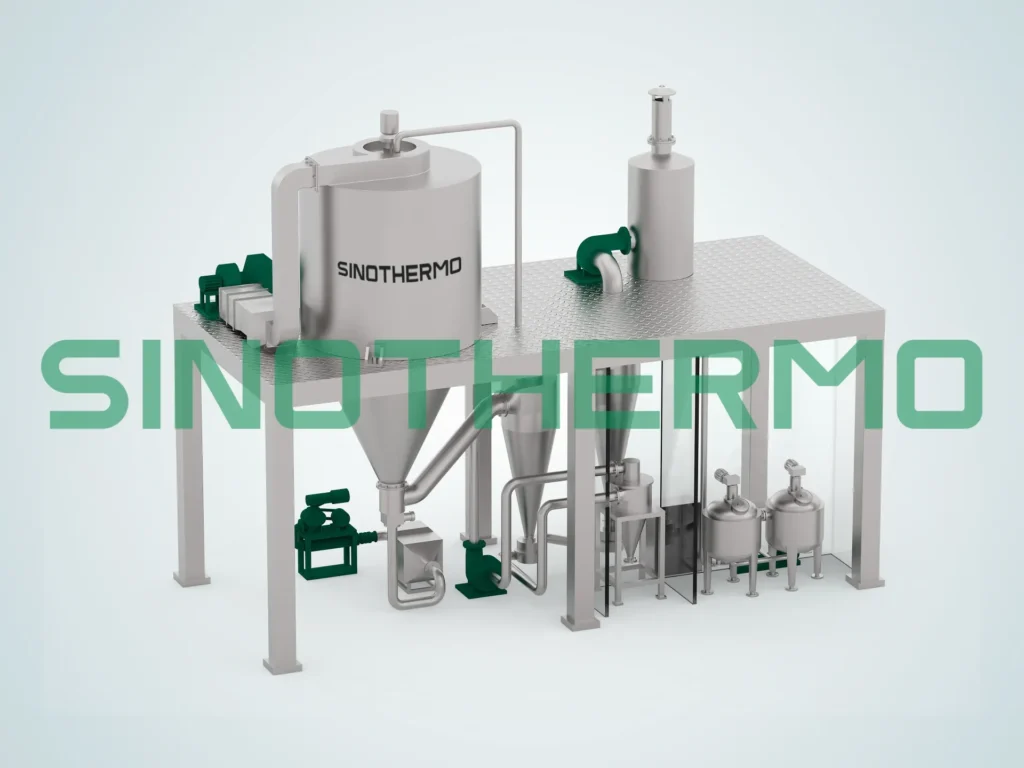
LPG-Centrifugal Spray Dryer
Categories: Convection Dryer, Spray Dryer
Advanced Liquid-to-Powder Process:
A high-speed centrifugal atomizer at the tower's peak transforms materials into super fine liquid drops that dry quickly upon contact with hot air — perfect for precise particle size, moisture, density and shape standards.
- Input:
- Solutions, Emulsions, Suspensions
- Output:
- Powder with 3%-5% moisture content
- Temperature:
- Inlet air temperature range of 150°C to 500°C
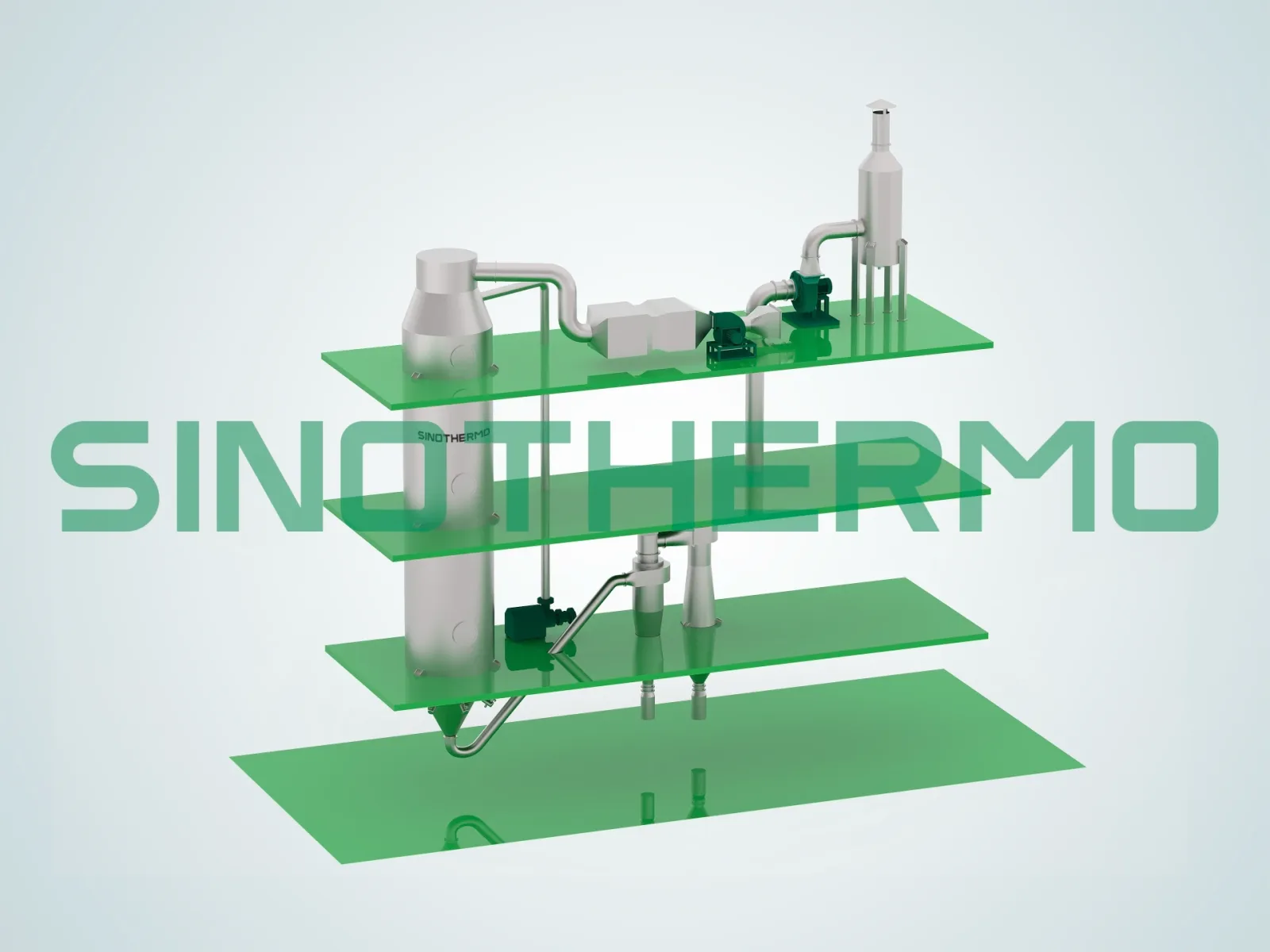
YPG-Pressure Spray Dryer
Categories: Convection Dryer, Spray Dryer
High-Pressure Nozzle Atomization:
The Pressure Spray Dryer atomizes feed liquid through high-pressure nozzles, producing coarser and denser granules with excellent flowability — widely used for foods, chemicals and dairy powders.
- Input:
- Solutions, Emulsions, Suspensions, Paste-like Liquids
- Output:
- Small hollow particles with 3%–8% moisture content
- Temperature:
- Inlet air temperature range of 0°C to 350°C
- Additional Feature:
- Granulation
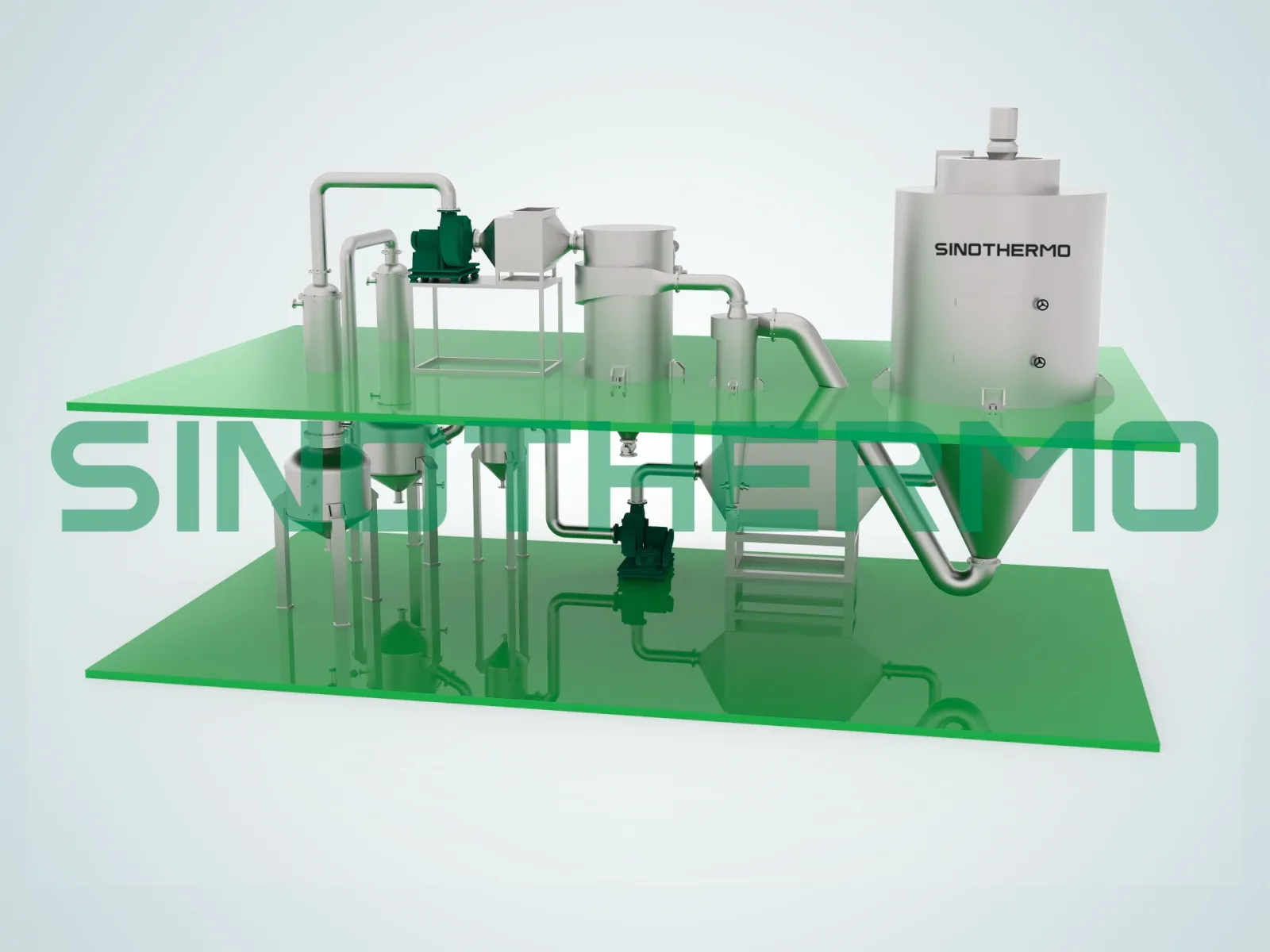
GXP-Closed Circulation Spray Dryer
Categories: Convection Dryer, Spray Dryer
Optimal Drying for Sensitive Materials:
This explosion-proof spray dryer operates in a sealed environment, using inert gas as the drying medium to fully recover solvents from raw materials. The recyclable drying medium provides superior protection for sensitive materials.
- Input:
- Solutions, Emulsions, Suspensions
- Output:
- Powder with 3%–8% moisture content
- Temperature:
- Inlet air temperature range of 100°C to 300°C
- Suitability:
- Anaerobic, explosion-proof and low-temperature conditions
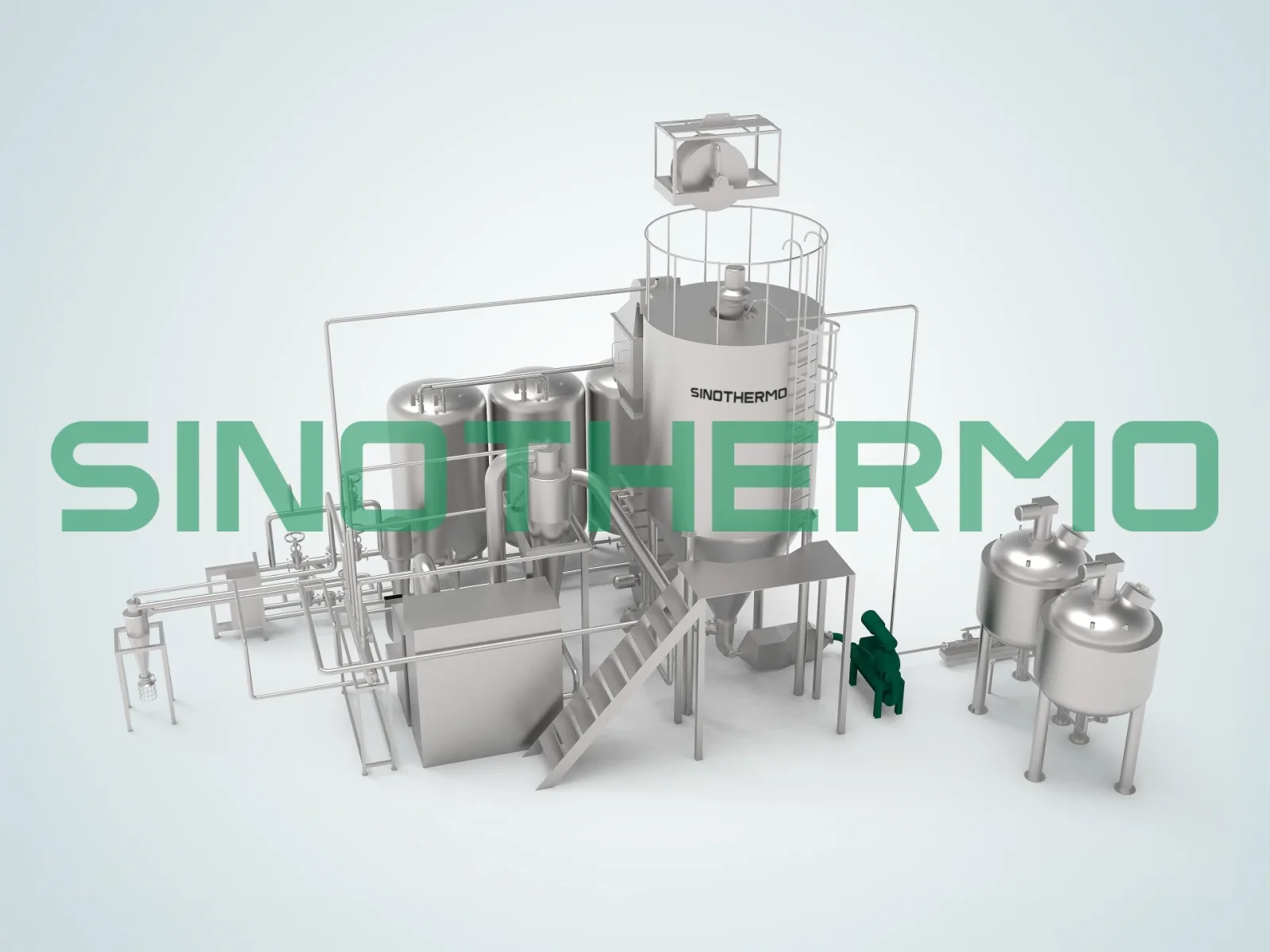
ZLPG-Extract Spray Dryer
Categories: Convection Dryer, Spray Dryer
Specialized Spray Dryer for Extracts:
The Extract Spray Dryer features a cylinder equipped with a cooling system specifically designed for drying extracts while keeping wall temperatures below 80°C. It includes an airbrush that cleans the walls during operation to prevent adhesion and protect the powder from burning.
- Input:
- Extracts (Liquid)
- Output:
- Extracts (Powder) with 3%–8% moisture content
- Temperature:
- Inlet air temperature range of 140°C to 180°C
- Additional Features:
- Freeze dehumidification, Air brush for tower cleaning
Spray Dryers by SINOTHERMO: Four Configurations, One Core Process
A spray dryer turns a pumpable liquid, such as a solution, emulsion, suspension or paste-like slurry, into dry powder in one continuous step. The feed is atomized into fine droplets inside a chamber of hot gas, the water evaporates in seconds, and the dry particles are separated from the exhaust in a cyclone and bag filter. SINOTHERMO builds four spray dryer configurations, each designed around a different kind of feed. This page helps you pick between them. The sections below link to the full guides.
Which spray dryer fits your feed?
| If your feed is… | Choose | Model series | Evaporation range | Inlet temperature |
|---|---|---|---|---|
| Water-based, you want fine and uniform powder, and viscosity or solids may vary | Centrifugal spray dryer | LPG | 25 to 2,000 kg/h | 150 to 500 °C |
| Water-based and clean, you want coarse, dense, free-flowing granules | Pressure spray dryer | YPG | 50 to 1,000 kg/h | 0 to 350 °C |
| Dissolved in organic solvent, flammable, or oxygen-sensitive | Closed circulation spray dryer | GXP | See product page | 100 to 300 °C |
| A sticky, heat-sensitive extract | Extract spray dryer | ZLPG | See product page | 140 to 180 °C |
Evaporation capacity is the maximum water removed per hour and depends on the material and on inlet and outlet temperature. Confirm the current specification when you request a quotation.
Centrifugal spray dryer (LPG series)
A high-speed rotating disc throws the feed outward into a cloud of fine droplets. Droplet size is set by disc speed, not by feed pressure, so the atomizer keeps working when viscosity or solids content drifts. The LPG series runs from the LPG-25, a compact unit evaporating up to 25 kg/h, to the LPG-200-2000 range for production lines. Dry powder recovery is 95 percent or more. Typical uses are milk and dairy powders, ceramics, catalysts, pigments, cosmetic ingredients and pharmaceutical intermediates. Full specifications are on the centrifugal spray dryer page.
Pressure spray dryer (YPG series)
A high-pressure pump (2 to 10 MPa) forces the feed through a nozzle. The result is a coarser, denser granule with excellent flow, which suits ceramic press powders, chemical granules, flavors and dairy and food powders that need good flow and low dust. The series runs from 50 to 1,000 kg/h, with product moisture below 5 percent and material recovery above 97 percent. See the pressure spray dryer page.
Closed circulation spray dryer (GXP series)
For feeds in organic solvents, or products that must not meet oxygen, the drying gas is nitrogen in a sealed loop. The solvent is condensed and recovered, the gas is reheated and recirculated, and the design is explosion-proof. See the closed circulation spray dryer page and read closed loop spray dryer: nitrogen loop and solvent recovery.
Extract spray dryer (ZLPG series)
Extracts are sticky and heat-sensitive. This model cools the tower wall below 80 °C, cleans the wall with an airbrush during operation and uses freeze dehumidification to keep drying stable in humid air. See the extract spray dryer page and read spray drying herbal and plant extracts.
How to choose a spray dryer in five questions
- 1.What is the liquid? Water-based or solvent-based? Solvent-based feeds need the closed circulation design.
- 2.Is it sticky or heat-sensitive? If yes, the extract design, a carrier in the formulation, or a lower temperature may be needed.
- 3.What powder do you need? Fine and uniform points to centrifugal; coarse and free-flowing points to pressure nozzle. See spray dryer atomization.
- 4.How much water must you evaporate? Size by evaporation capacity, not powder weight. A worked method is in spray dryer sizing.
- 5.Have you tested your material? Pilot trials turn an estimate into a specification. Read the pilot spray dryer guide.
Spray dryers for different industries
- Food and dairy: milk, coffee, flavors and encapsulated ingredients. See spray drying in the food industry.
- Pharmaceutical and biotechnology: solid dispersions, excipients, inhalation powders and bio-based solutions. See pharmaceutical spray drying.
- Ceramics: slurry into press-ready granules. See spray drying ceramics.
- Chemicals, pigments and resins: catalysts, pigments, resin solutions.
- New energy materials: cathode precursors and electrode slurries. See spray processing in lithium battery materials.
- Herbal and cosmetic extracts: botanical extract powders and cosmetic actives.
Learn more before you buy
- Spray dryer machine guide: types, price drivers and selection
- How spray drying works
- Spray drying temperature: inlet and outlet guide
- Spray dryer cost guide
- Spray dryer manufacturers: how to evaluate a supplier
- Spray drying vs freeze drying
- Spray dryer troubleshooting guide
Test your material before you specify
SINOTHERMO's testing lab runs spray drying trials on customer material and reports operating parameters, powder properties and samples. Pilot testing is a paid service. Request a pilot test and tell us your feed, solids content, target capacity and powder specification.
Spray dryer FAQ
What is a spray dryer used for?
A spray dryer converts liquids into dry powder. It is used in food, dairy, pharmaceutical, chemical, ceramic, battery-materials and cosmetic production where particle size, moisture and flow need to be controlled.
What types of spray dryer does SINOTHERMO offer?
Four: centrifugal (LPG series, 25 to 2,000 kg/h), pressure nozzle (YPG series, 50 to 1,000 kg/h), closed circulation (GXP series) for solvent-based and oxygen-sensitive feeds, and extract (ZLPG series) for sticky, heat-sensitive extracts.
What is the difference between a centrifugal and a pressure nozzle spray dryer?
A centrifugal dryer uses a spinning disc and produces fine, uniform powder that tolerates feed variation. A pressure nozzle dryer pushes the feed through a nozzle at high pressure and produces coarser, denser, free-flowing granules.
Which spray dryer can handle organic solvents?
The closed circulation (GXP) spray dryer, which circulates inert gas in a sealed loop and recovers the solvent.
How do I size a spray dryer?
By evaporation capacity in kilograms of water per hour. Convert your powder output to feed and water using the feed solids content, then pick a model with margin.
Can I test my material before buying?
Yes. SINOTHERMO's testing lab runs paid pilot trials and reports parameters, powder properties and samples.
How do I get a quotation?
Send your feed details, target capacity, powder specification and any compliance standards through the contact form. A paid pilot test is the fastest route to a firm specification.