Biologics
Biologics covers SINOTHERMO's vacuum and freeze-drying equipment used to preserve the structure and activity of proteins, vaccines and other sensitive biological materials. Low-temperature vacuum processing avoids the heat damage that would denature these materials, spanning pilot-scale formulation trials through production-batch lyophilization.
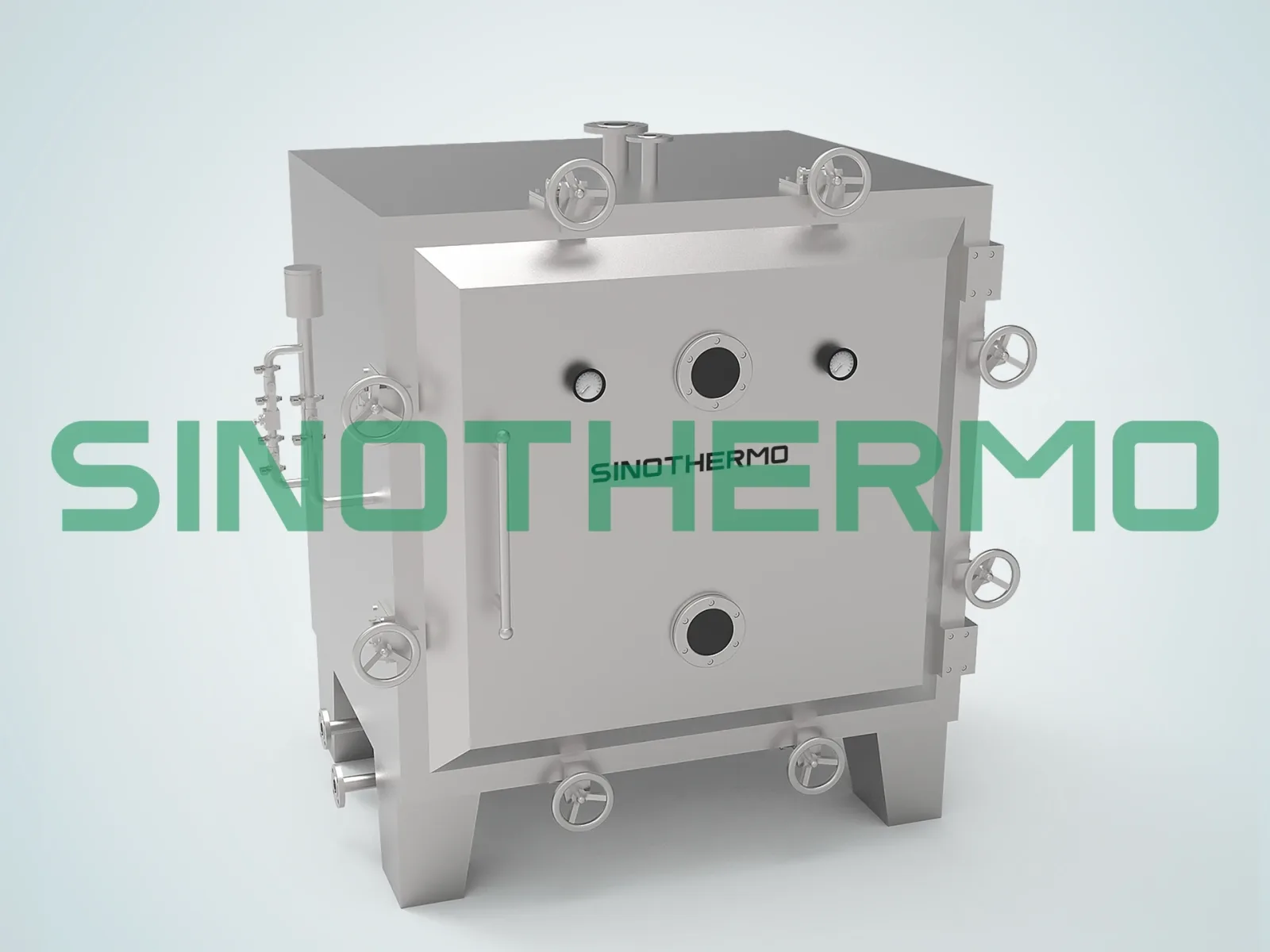
FZG-Static Vacuum Cabinet Dryer
Categories: Conduction and Vacuum Dryer, Vacuum Tray Dryer
Vacuum Dryer with Pulse Back-Blow Function:
The Square Static Vacuum Dryer comes with spacious hollow heating tubes, warming materials on trays. It is perfect for operating at low temperatures in a vacuum, suitable for handling explosive and heat-sensitive materials while maintaining their original characteristics and properties.
- Input:
- Liquids, Slurries, Pastes and Thick Materials
- Output:
- Lump Solids with 3%-5% moisture content
- Temperature:
- Heat source temperature <100°C
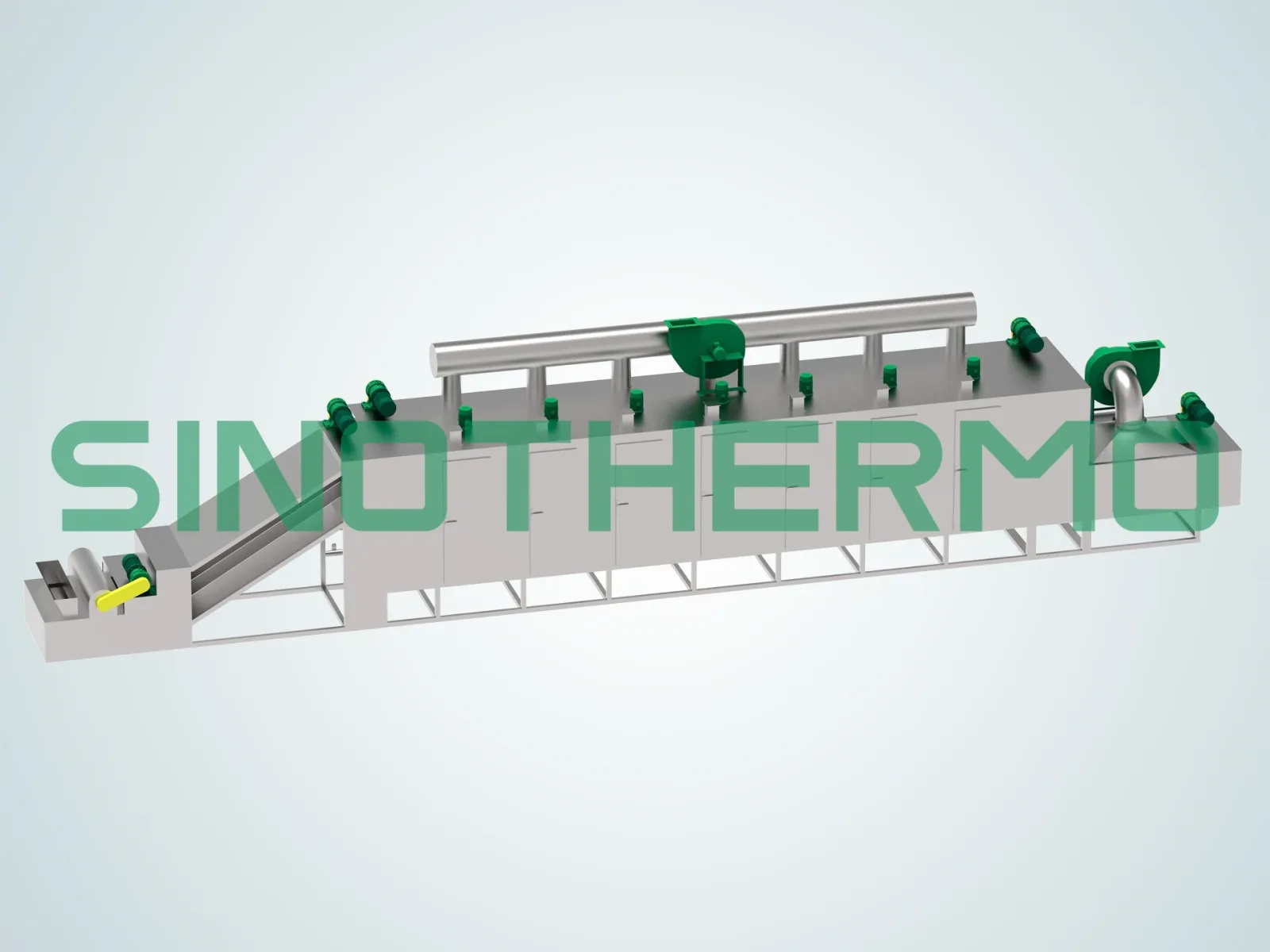
DW-Belt Dryer
Categories: Convection Dryer
Continuous Convection Dryer with Mesh Belt:
The Belt Dryer can be configured with single or multiple mesh-belt layers, spreading material evenly for directional hot-air drying. Belt speed adjusts to each material's temperature and moisture content, so it runs at comparatively low temperatures while continuously processing large batches.
- Input:
- Permeable solids in sheets, strips, granules or blocks
- Output:
- Sheet, strip, granule or block solids with 3%–8% moisture content
- Temperature:
- Inlet air temperature < 200°C
- Additional Feature:
- Cooling
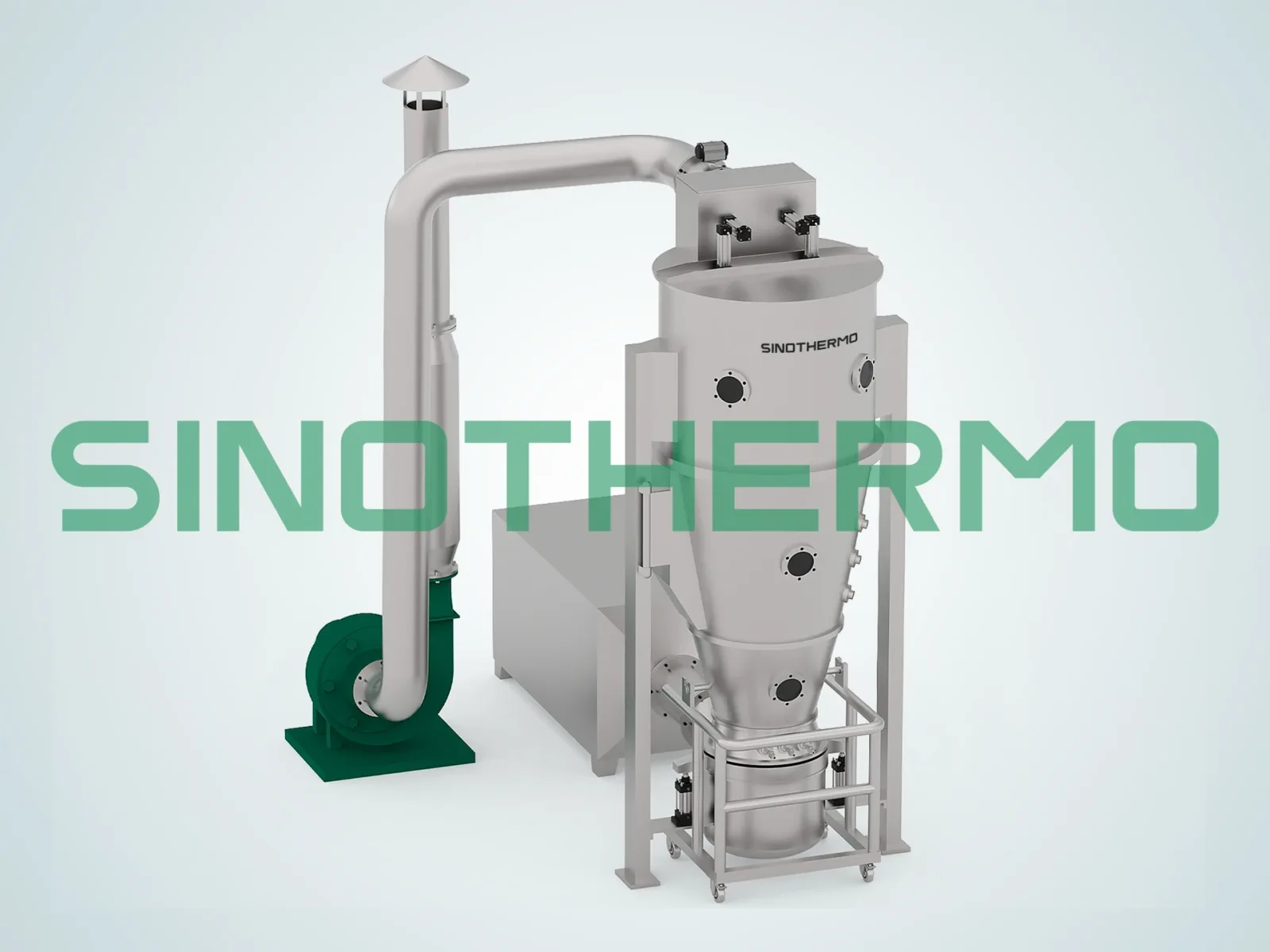
FLP-Wurster Fluidized Bed Granulation Coater
Categories: Granulator and Extruder, Fluid Bed Granulator
All-in-One Mixing, Granulating, Coating, and Drying:
After the main material forms a fluidized bed at the bottom, granules are created with the aid of adhesive sprayed from the top nozzles in the granulating chamber. Subsequently, coating material is sprayed onto the granules from bottom or side nozzles within the chamber for effective coating.
- Input:
- Main ingredient as powder (for granulation) or granules and pellets (for coating), with adhesive or coating material in liquid form
- Output:
- Solid medium-sized granules with 3%–5% moisture content
- Type:
- Spray Fluidized Bed, Wet Granulation
- Additional Features:
- Mixing, Coating, Drying, Cooling
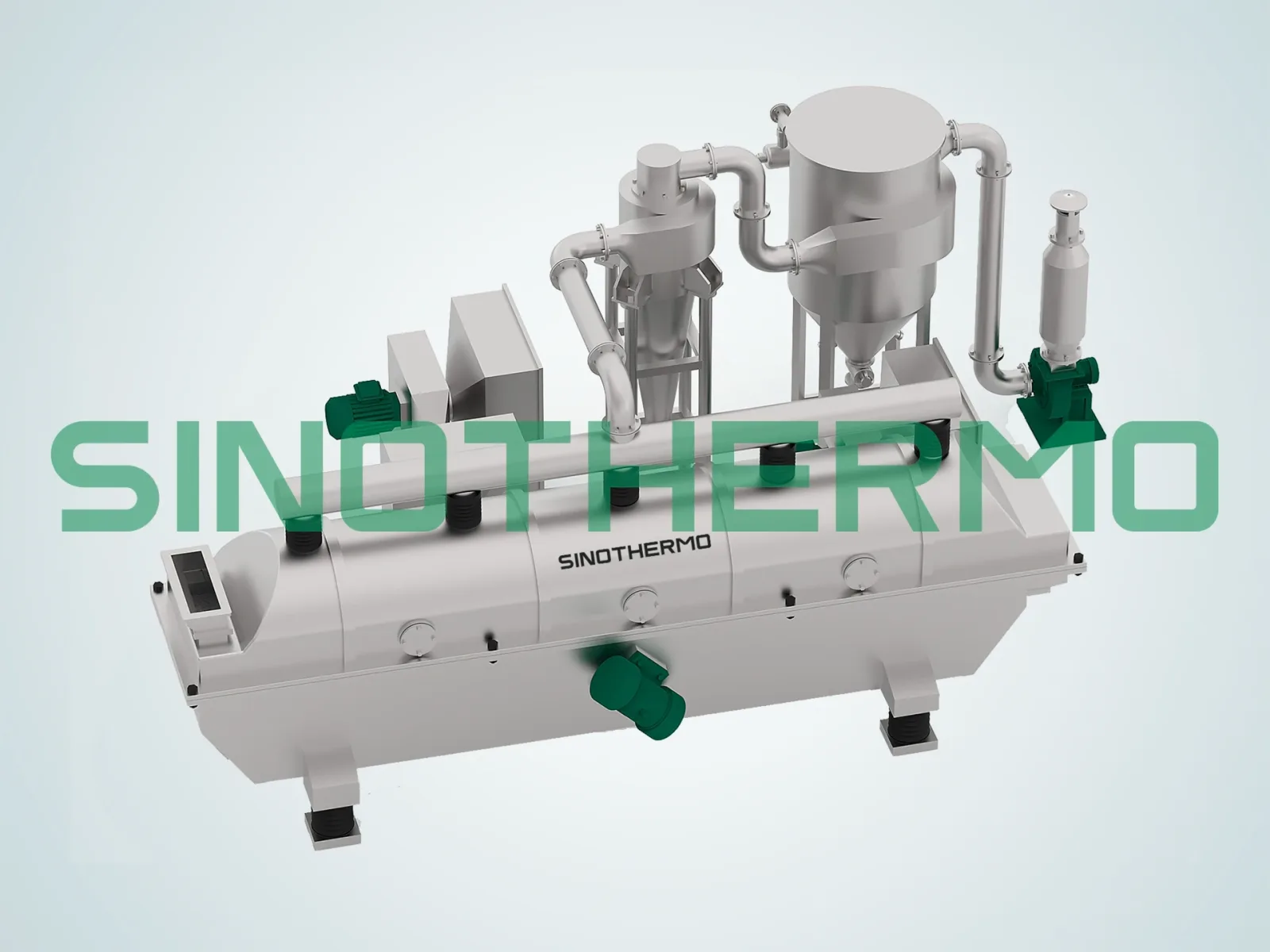
ZLG-Horizontal Vibrating Fluidized Bed Dryer
Categories: Convection Dryer, Fluidized Bed Dryer, Vibrating Dryer
Continuous Drying Solution for Granular Materials:
Operating on the principle of fluidization combined with vibration, the Vibrating Fluid Bed Dryer processes granules by circulating them on heated air that dries them evenly. This approach minimizes surface damage, prevents pollution thanks to its enclosed design, and gives granules time to settle — facilitating stable, continuous production.
- Input:
- Granules with moisture content < 20%
- Output:
- Granules with 1%–5% moisture content
- Temperature:
- Inlet air temperature < 200°C
- Additional Feature:
- Cooling
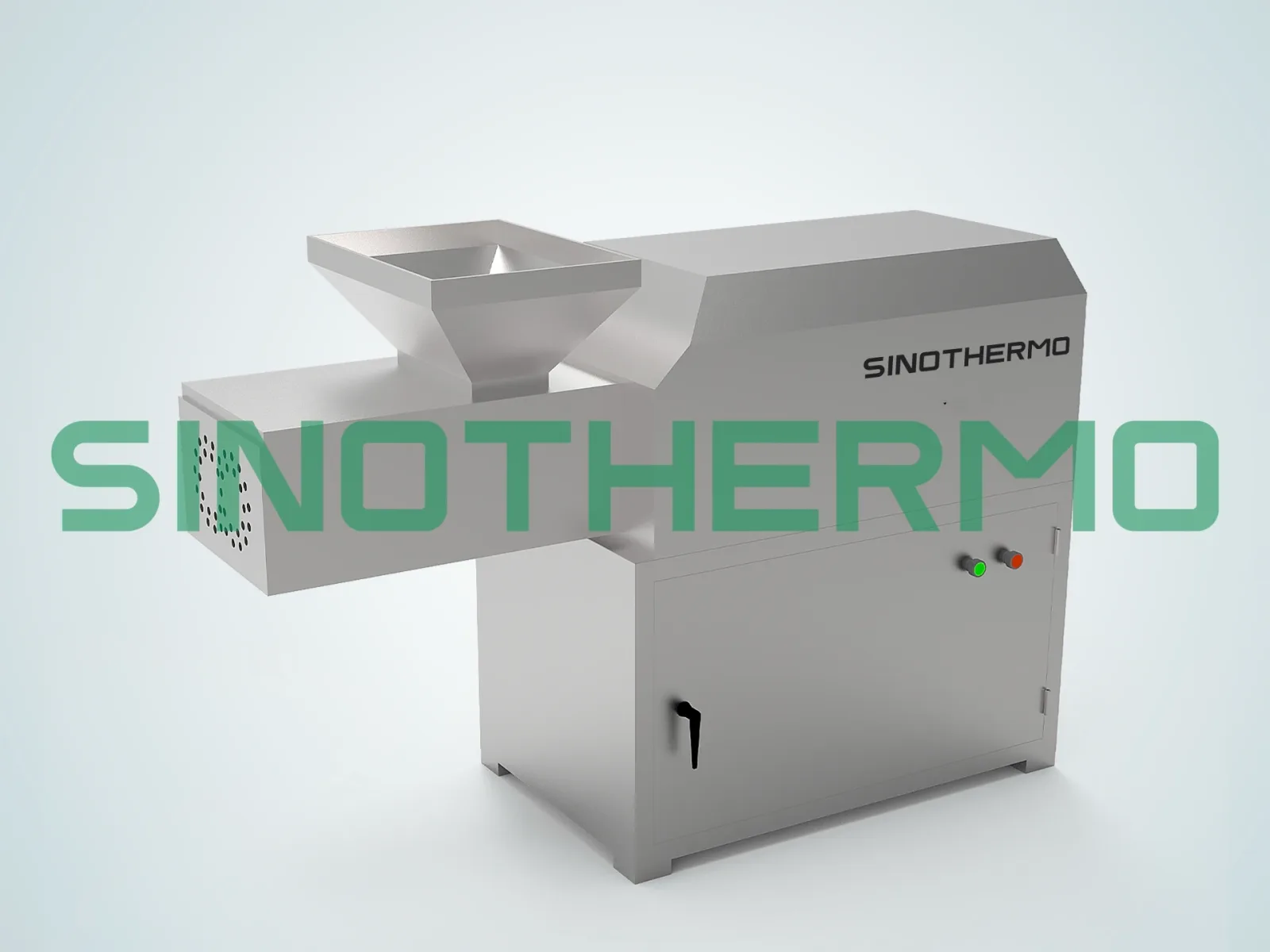
SET-Screw Extruder Granulator
Categories: Granulator and Extruder
Wet Granulation with Screw Extrusion Process:
By utilizing an extrusion process, this wet-granulation machine leverages the self-viscosity of a solid-liquid dispersion to bond powder particles, producing granules of consistent shape and size. The screw-extrusion mechanism generates enough force to form pellets without always requiring a binder — particularly suitable for high-viscosity materials. Optional water cooling is available.
- Input:
- Solid-liquid mixture (predominantly solid)
- Output:
- Moist cylindrical granules
- Type:
- Extrusion Granulation, Wet Granulation
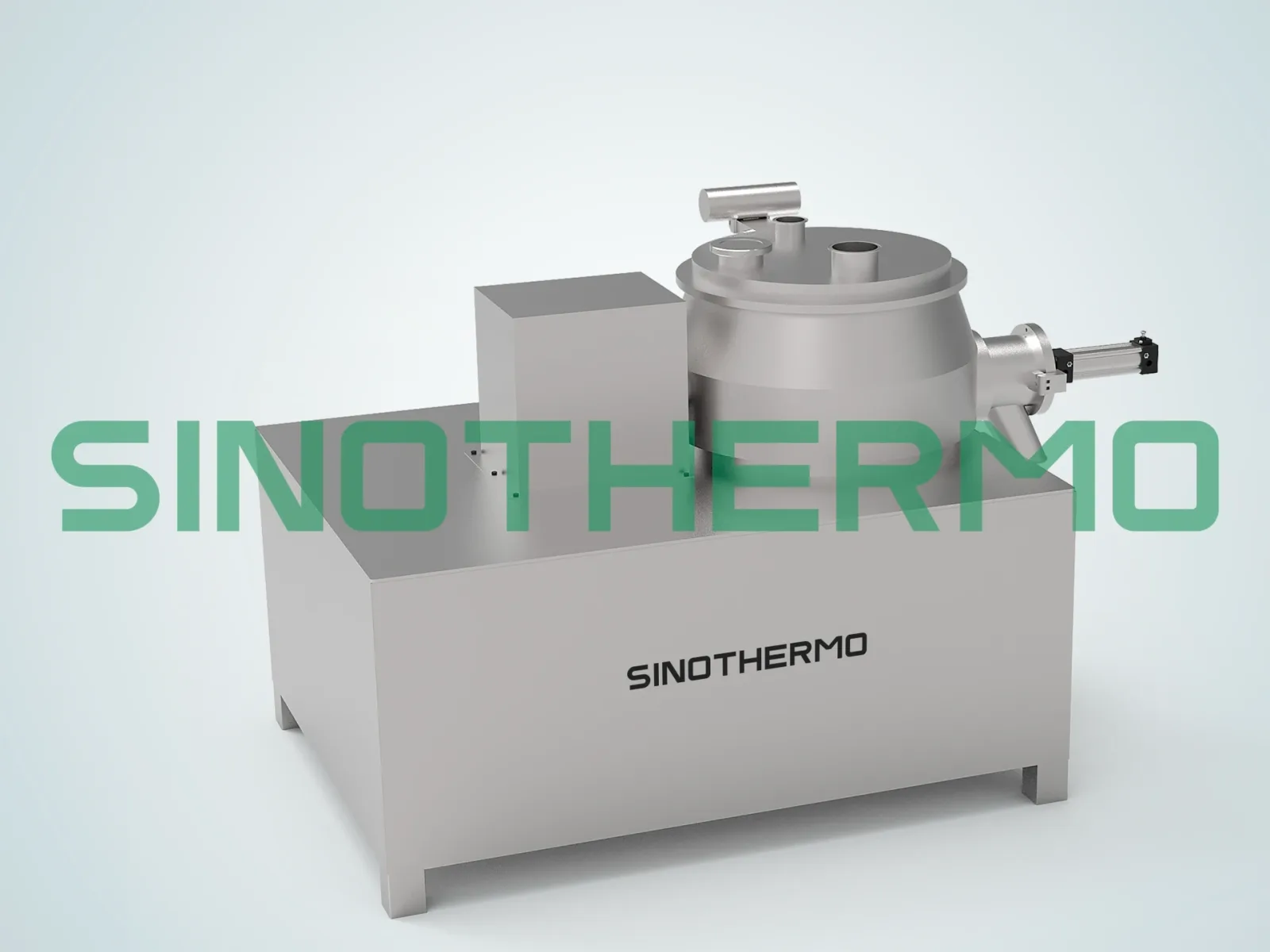
GHL-Wet Rapid Mixing Granulator
Categories: Granulator and Extruder
Cutting-Edge Wet Granulation Technology:
A paddle at the base swiftly mixes powders and sticky binders within a cylindrical bowl, while a rapid chopper on the side breaks the mixture into wet granules to prevent clumping. This fast process combines mixing and granule formation within minutes, and the Wet Rapid Mixing Granulator can provide heating or cooling as needed.
- Input:
- Main material in powder form, binding agent as paste
- Output:
- Solid, loose granules with approximately 15% moisture content
- Type:
- Mixing Granulation, Wet Granulation
- Additional Features:
- Mixing, Mild Crushing, Heating, Cooling
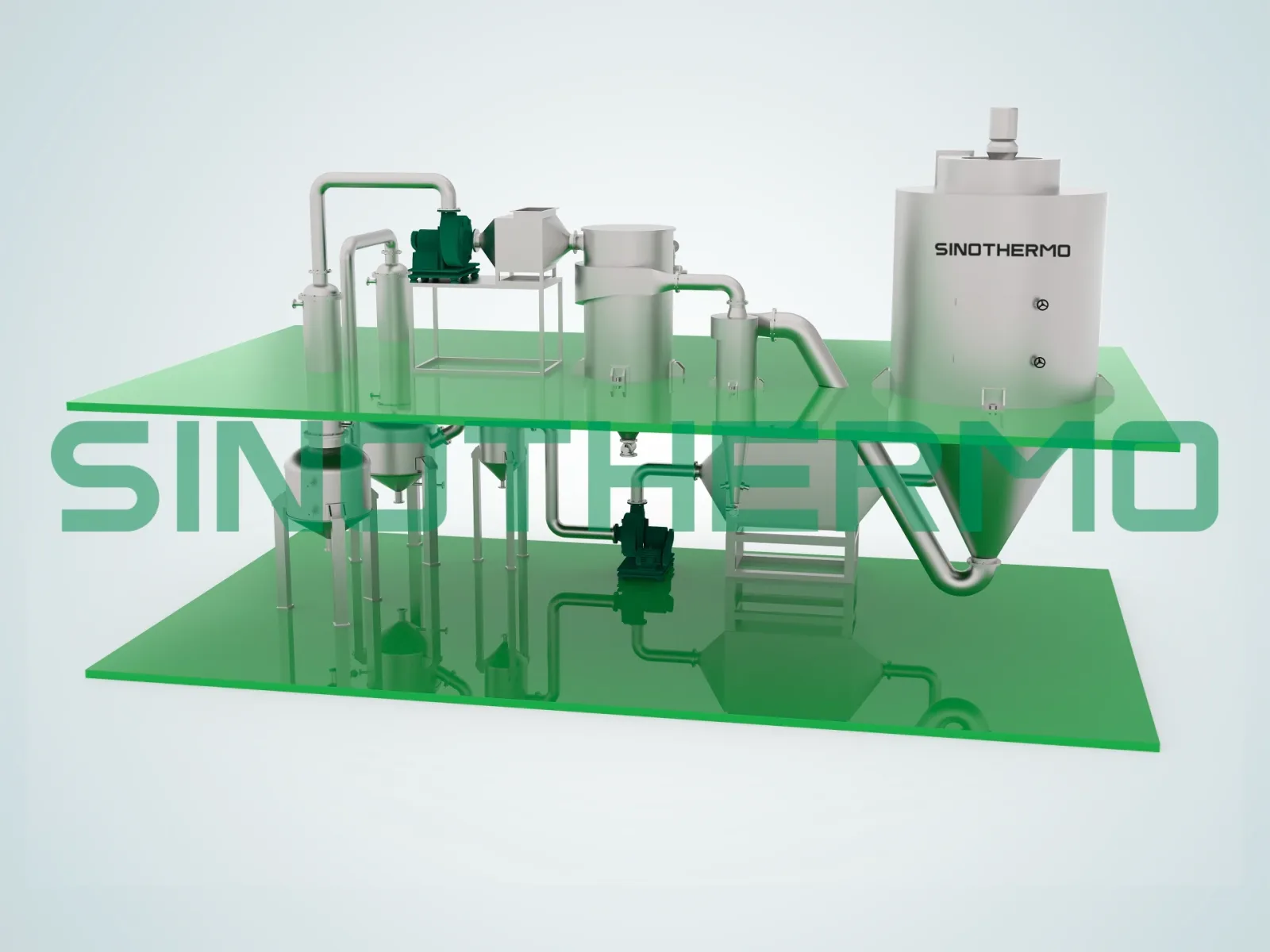
GXP-Closed Circulation Spray Dryer
Categories: Convection Dryer, Spray Dryer
Optimal Drying for Sensitive Materials:
This explosion-proof spray dryer operates in a sealed environment, using inert gas as the drying medium to fully recover solvents from raw materials. The recyclable drying medium provides superior protection for sensitive materials.
- Input:
- Solutions, Emulsions, Suspensions
- Output:
- Powder with 3%–8% moisture content
- Temperature:
- Inlet air temperature range of 100°C to 300°C
- Suitability:
- Anaerobic, explosion-proof and low-temperature conditions
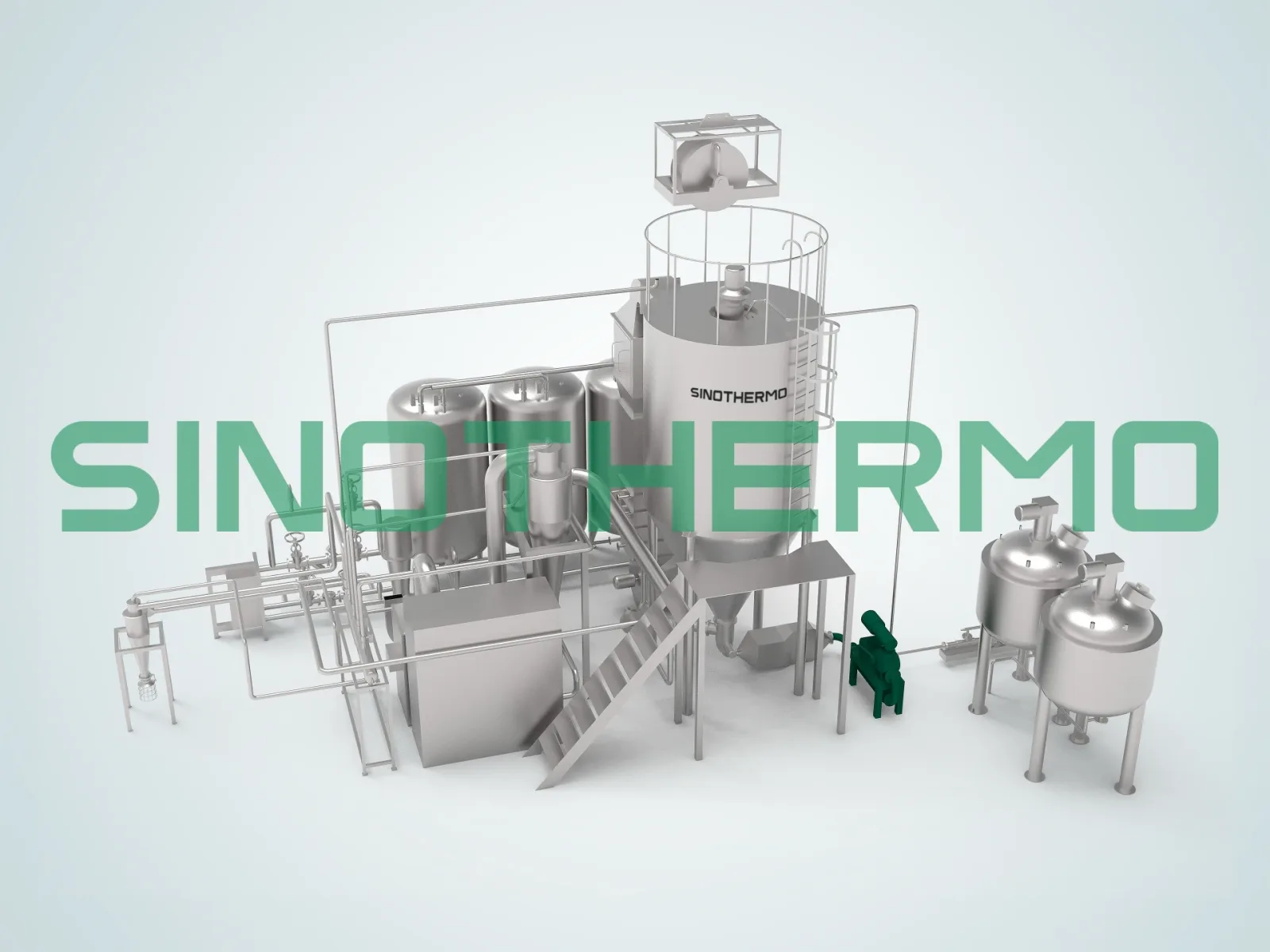
ZLPG-Extract Spray Dryer
Categories: Convection Dryer, Spray Dryer
Specialized Spray Dryer for Extracts:
The Extract Spray Dryer features a cylinder equipped with a cooling system specifically designed for drying extracts while keeping wall temperatures below 80°C. It includes an airbrush that cleans the walls during operation to prevent adhesion and protect the powder from burning.
- Input:
- Extracts (Liquid)
- Output:
- Extracts (Powder) with 3%–8% moisture content
- Temperature:
- Inlet air temperature range of 140°C to 180°C
- Additional Features:
- Freeze dehumidification, Air brush for tower cleaning
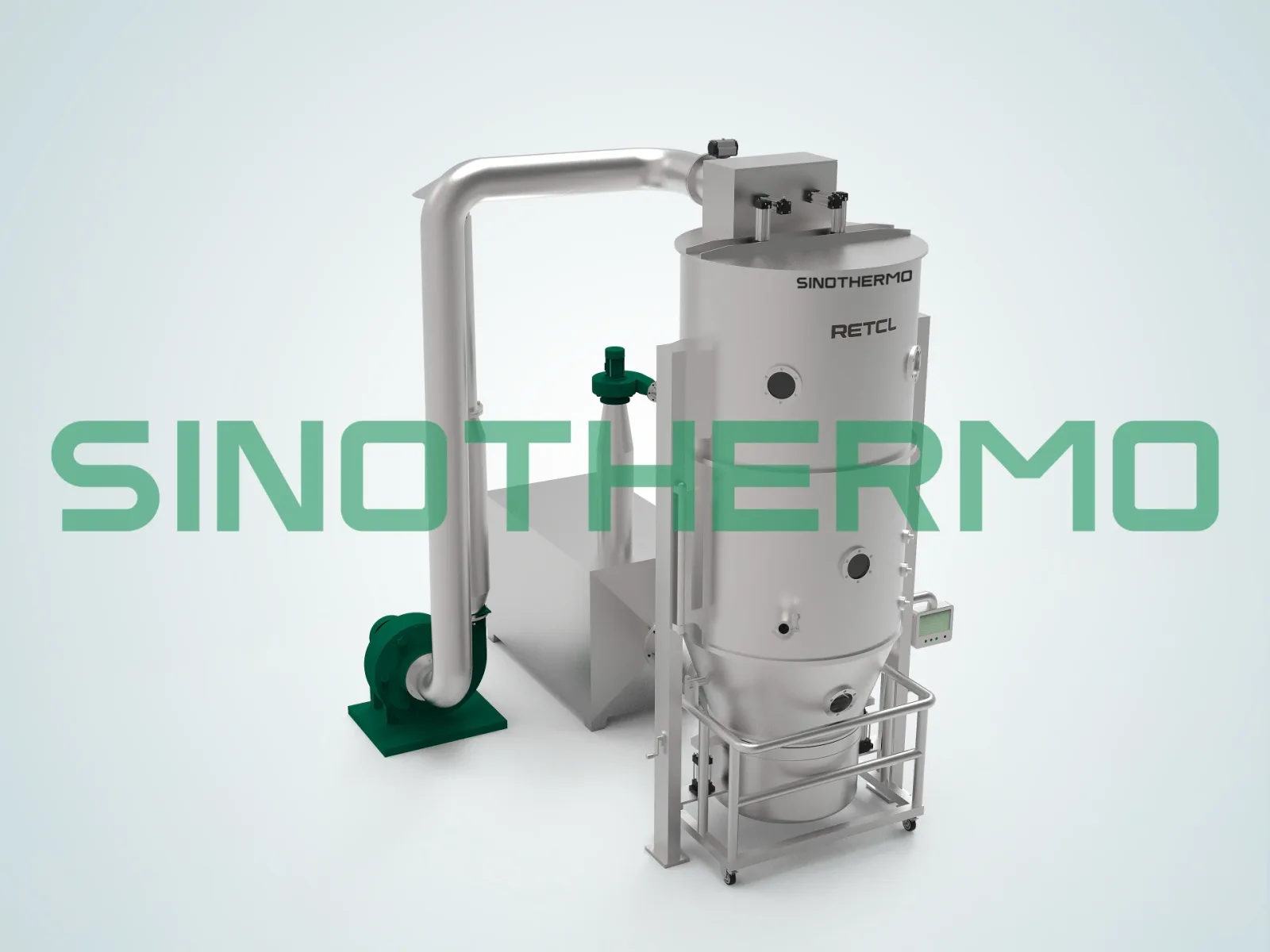
PGL-Fluidized Bed Spray Granulator
Categories: Granulator and Extruder, Fluid Bed Granulator
Combines Mixing, Granulating and Drying for High-Excipient Granulation:
Excipient-rich granulation finds an ideal match in this unit. Excipients in the hopper form a fluidized bed that acts as seeds or carriers, while the main material — typically a liquid extract making up a smaller proportion of the batch — is sprayed from above and merges at the bed's edge for granulation. This method is particularly suited to heat-sensitive materials.
- Input:
- Carrier materials in powder form, main material in liquid form
- Output:
- Solid medium-sized granules, 3%–5% moisture content
- Type:
- Spray Fluidized Bed, Wet Granulation
- Additional Features:
- Mixing, Drying, Cooling
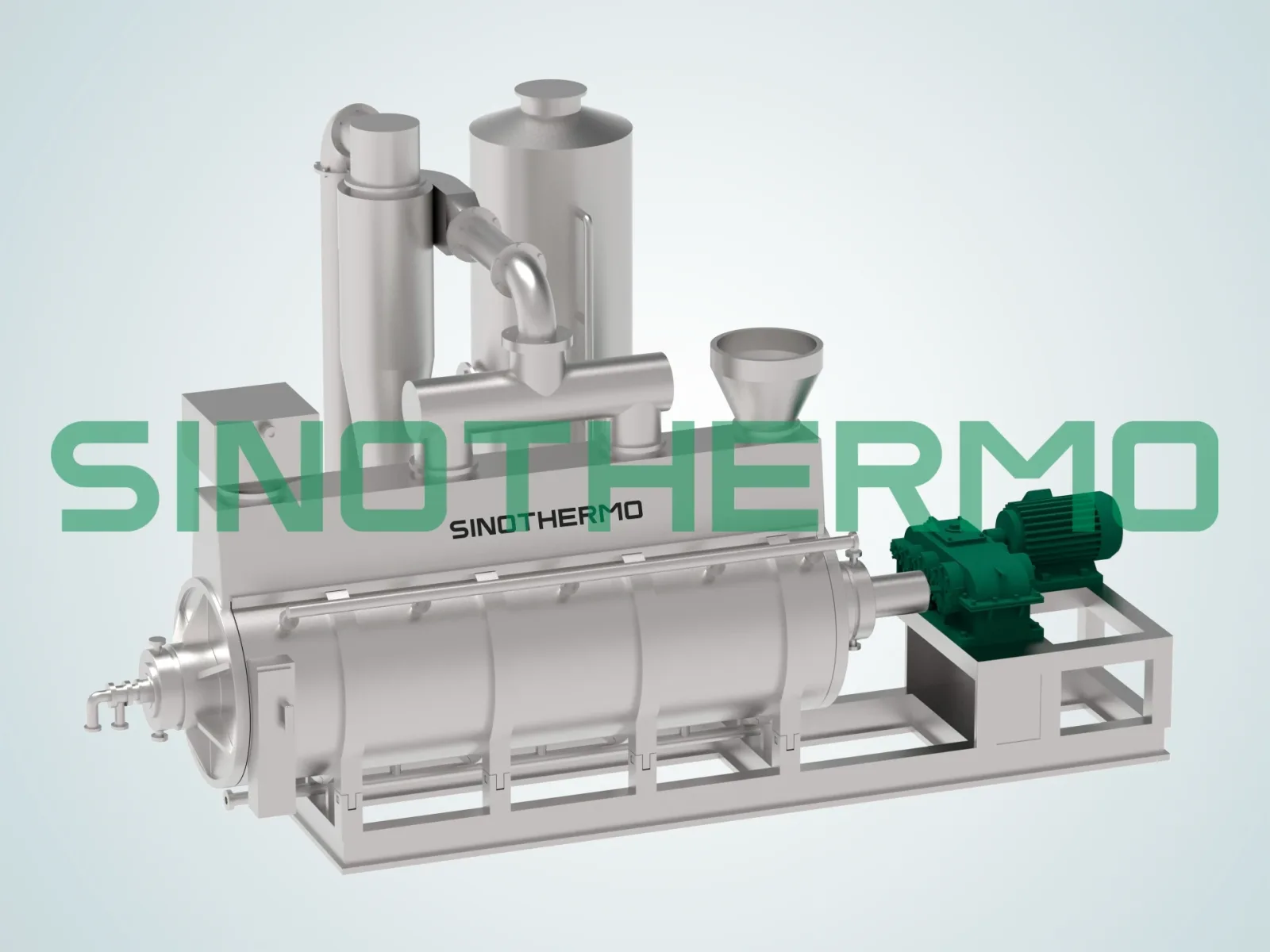
ZYG-Vacuum Horizontal Disc Dryer
Categories: Conduction and Vacuum Dryer
Vacuum Conduction Dryer with Hollow Disc Stirrers:
The Vacuum Horizontal Disc Dryer has a large-area jacket for heating and hollow disc stirrers that enhance the heating surface. It performs better than rake and paddle vacuum dryers in heating efficiency for many materials, is suited to low-temperature vacuum operation, and is ideal for handling flammable, explosive, organic-solvent-based and heat-sensitive materials.
- Input:
- Liquids, Slurries, Pastes, and Mashes
- Output:
- Powder with 3%–10% moisture content
- Temperature:
- Heat source temperature 50°C to 200°C
- Additional Feature:
- Stirring, Mild Crushing
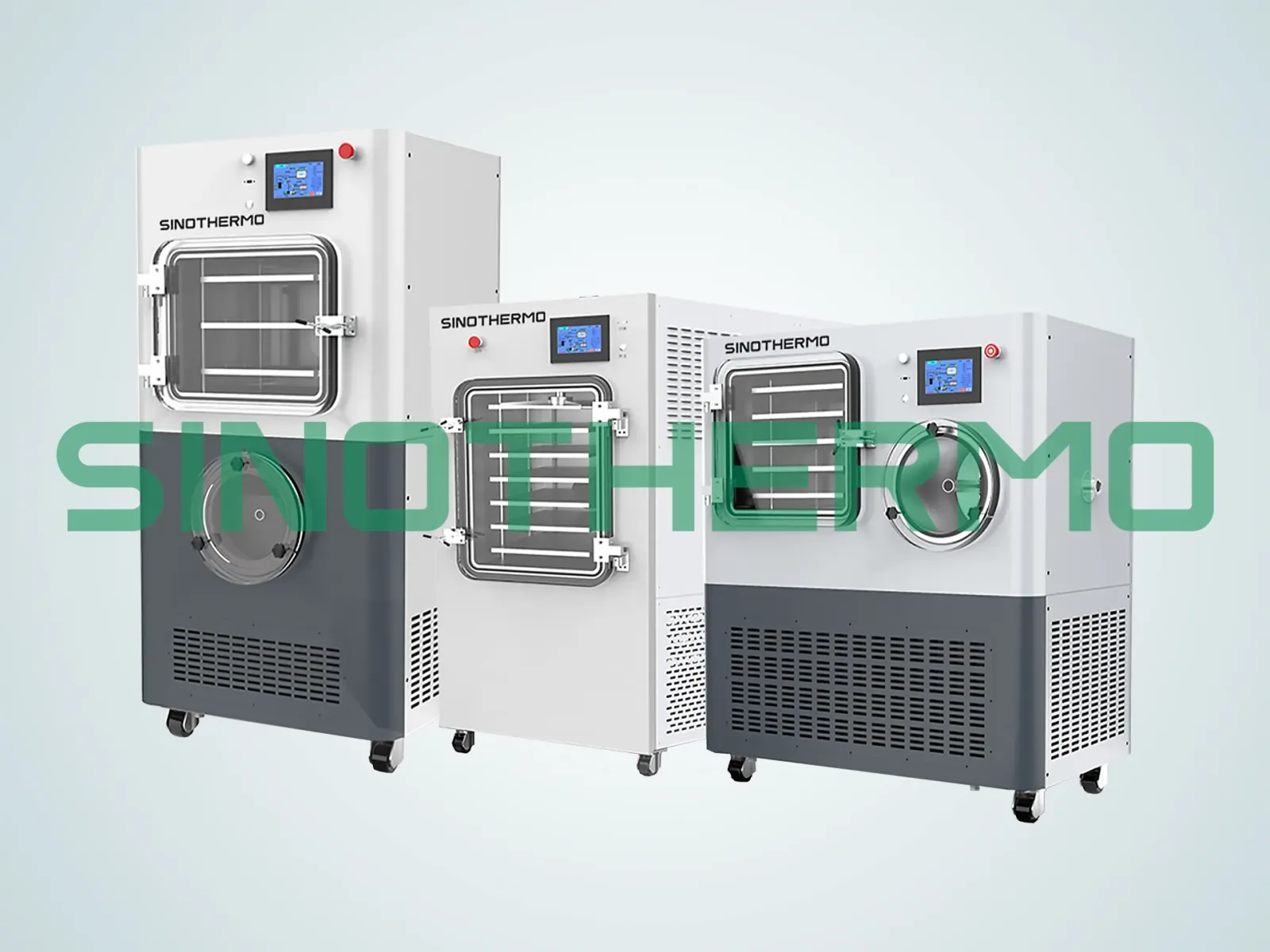
Pilot Freeze Dryer
Categories: Freeze Dryer, Commercial Freeze Dryer, Laboratory Freeze Dryer
Cutting-Edge Precision Freeze Drying Technology:
The Pilot Freeze Dryer stands out for its accuracy and precision, making it a crucial tool in sectors like pharmaceuticals, biotechnology and food processing. It upholds the chemical and structural integrity of products by drying them at low temperature under vacuum, and offers configurable shelf layouts to accommodate substances ranging from delicate biological materials to sturdy chemical compounds.
- Input:
- Liquids, extracts, blocks, slices, strips
- Output:
- Dehydrated liquids, concentrated extracts, dried blocks, slices and strips
- Temperature:
- Capable of achieving temperatures as low as -55°C
- Additional Feature:
- Defrost System
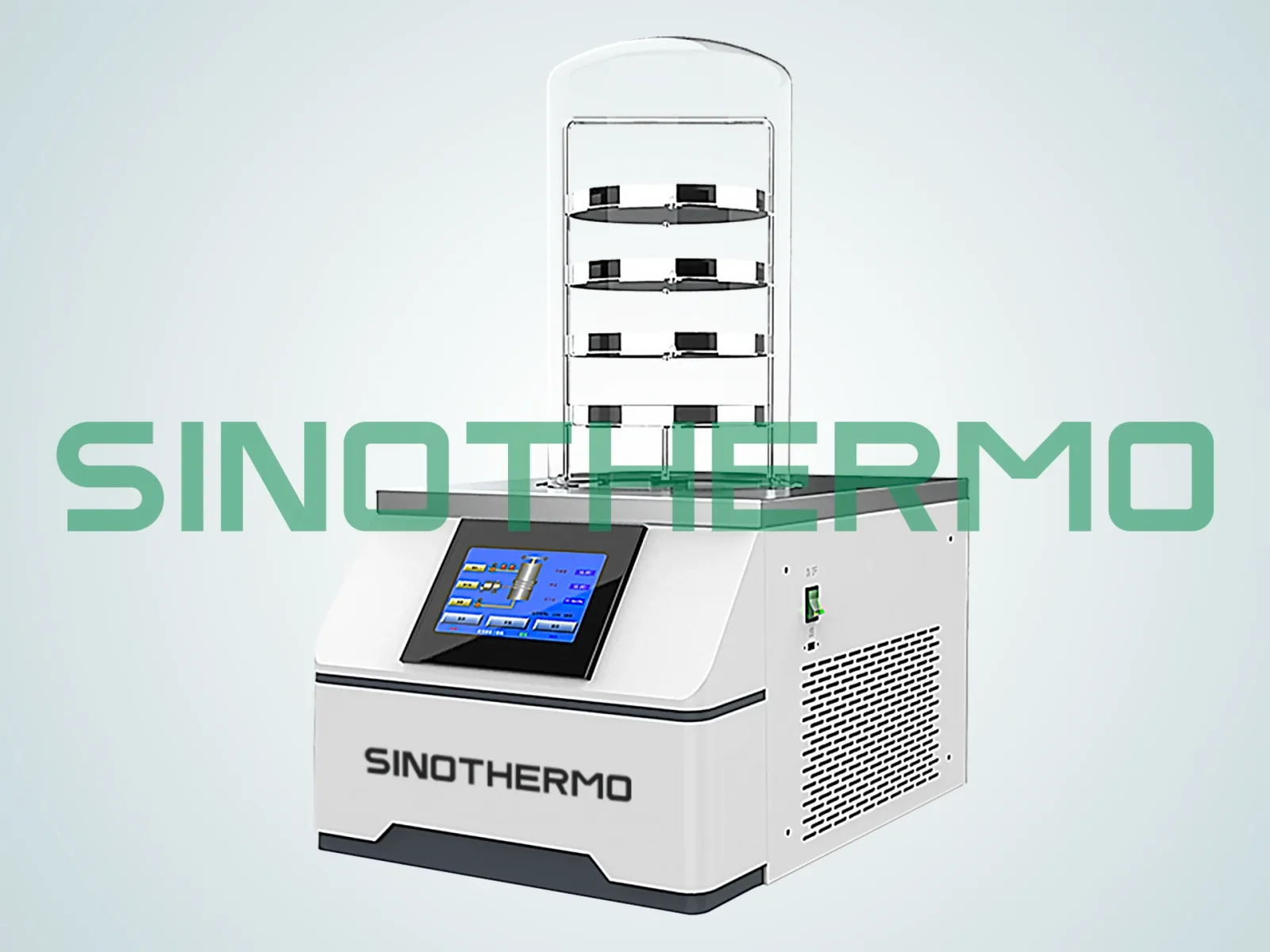
Benchtop Freeze Dryer
Categories: Freeze Dryer, Laboratory Freeze Dryer
Compact Freeze Drying for Lab and Small-Scale Production:
The Benchtop Freeze Dryer brings full freeze-drying capability to a footprint that fits a lab bench or small production room. Automated controls streamline each cycle, while low-temperature vacuum drying preserves the structure and properties of pharmaceutical materials, biological specimens and food products — a dependable choice for drug and vaccine preparation, sample preservation and small-batch trials.
- Input:
- Pharmaceutical materials, biological specimens, food products
- Output:
- Freeze-dried product with preserved structure and properties
- Type:
- Laboratory / small-scale vacuum freeze drying
- Cold Trap:
- Down to -80°C
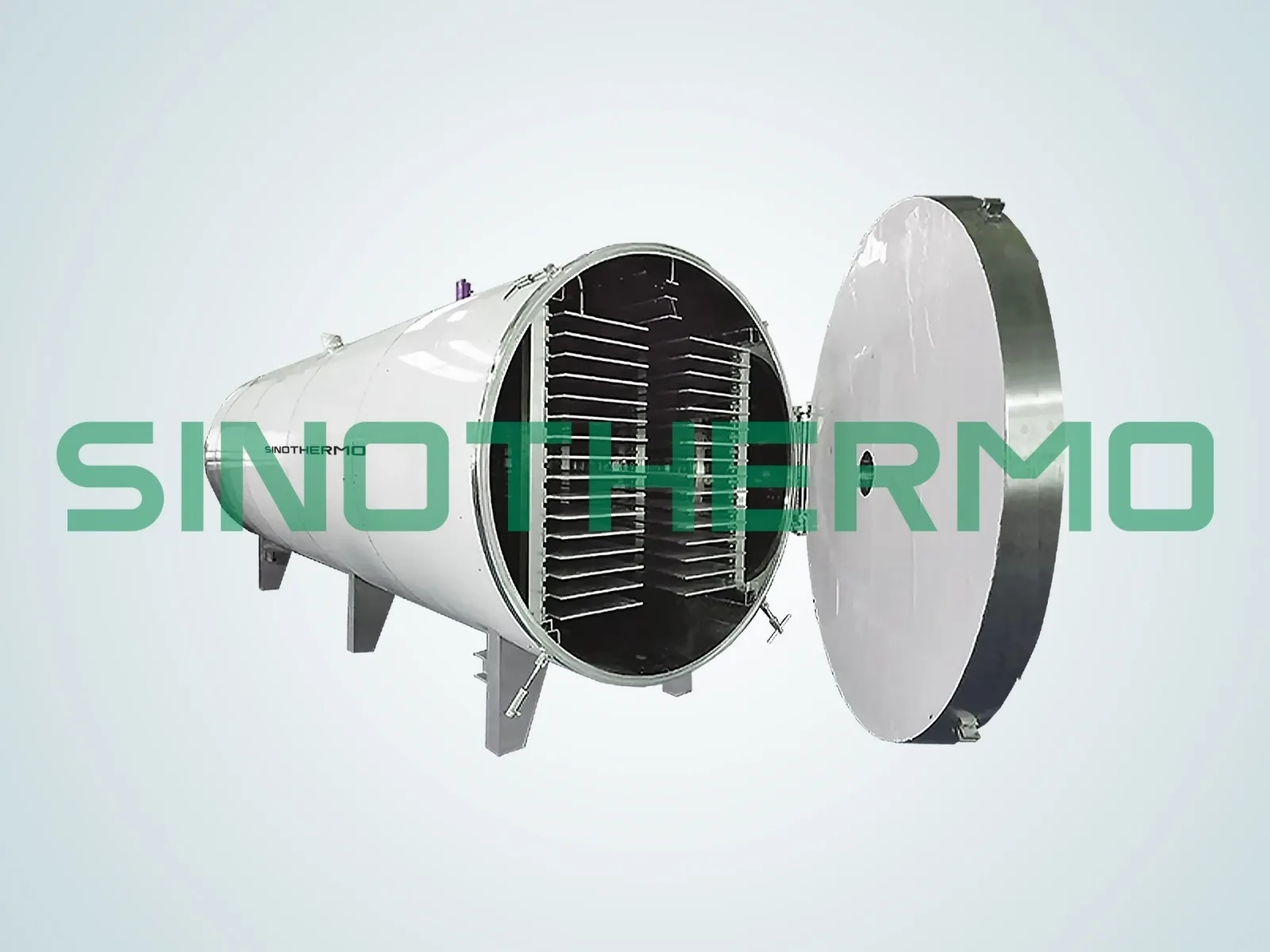
Round Freeze Dryer
Categories: Freeze Dryer, Commercial Freeze Dryer, Industrial Freeze Dryer
Maximize Output with Cylindrical-Chamber Freeze Drying:
The Round Freeze Dryer uses a cylindrical chamber that maximizes space usage for large-batch freeze drying at industrial scale. Built to handle big batches without compromising quality or efficiency, it helps companies expand freeze-drying capacity for pharmaceuticals, biological samples and food products while minimizing waste.
- Input:
- Pharmaceuticals, biological samples, food products (large batches)
- Output:
- Freeze-dried product with extended shelf life
- Temperature:
- Adjustable -50°C to -80°C
- Design:
- Cylindrical high-capacity chamber
Gentle Drying for Sensitive Biological Materials
The FZG static vacuum cabinet dryer and Pilot, Benchtop and Round Freeze Dryers preserve the structure and activity of proteins, vaccines and other biologics through low-temperature vacuum drying, while the GXP closed-circulation and ZLPG extract spray dryers handle solvent-sensitive biologic intermediates.
Meeting Biologics' Strict Processing Demands
Freeze drying under vacuum at low temperature is the standard method for preserving protein structure and biological activity. Closed-circulation spray drying protects oxygen- and solvent-sensitive biologic intermediates during processing. Pilot-scale equipment supports formulation development before committing to production-scale lyophilization.