A vacuum rotary dryer recovers organic solvent by evaporating it at reduced pressure — and therefore at a much lower temperature than its atmospheric boiling point — and then condensing that vapour back to liquid in a sealed circuit instead of venting it. The dryer alone does not recover anything. Recovery is delivered by a closed loop of six elements: a sealed and inerted vessel, a controlled vacuum, jacket heating, a dust separation stage, a correctly sized condensing train, and a protected vacuum end. Get any one of those six wrong and you still dry the product, but the solvent leaves as an emission instead of arriving in a receiver.
That distinction is the reason so many solvent-recovery projects underperform. The purchase order says "vacuum dryer", the P&ID shows a condenser, and the recovered volume still comes in far below what the mass balance promised. This guide explains the physics that makes vacuum the correct answer for solvent-wet solids, walks through the six steps of a real closed loop, shows what actually caps your recovery rate, compares the four vacuum dryer geometries used for this duty, and lists the specification mistakes that usually surface only at commissioning.
Why solvent recovery is a drying problem, not a downstream one
In most fine chemical, pharmaceutical and battery-material processes, solvent arrives at the dryer already inside the solid. A filter cake off a centrifuge or nutsche filter, a paste from a crystallisation step, or a washed powder from a recycling line typically still holds a significant fraction of its mass as organic liquid — methanol, ethanol, acetone, toluene, DMC, NMP, heptane, DMF and their mixtures are all routine.
That liquid has three properties that make it different from water:
- It has purchase value. Solvent is a raw material you have already paid for. Every kilogram driven off and destroyed is bought twice — once at purchase, once at the thermal oxidiser.
- It is usually a regulated emission. VOC limits, solvent-emission directives and local permits increasingly make venting the expensive path, or simply not a permitted one.
- It is frequently flammable and often toxic. So the equipment that removes it is a safety system, not only a process machine.
Put those three together and the conclusion is direct: the drying step is where solvent recovery is won or lost. A dryer that vents to atmosphere hands the problem to an abatement system that costs money to run. A dryer designed as a closed loop returns most of that solvent as a reusable liquid. This is why the whole conduction and vacuum dryer family — rather than convective hot-air equipment — dominates solvent-wet duties.
The physics: why vacuum, and not more heat
Boiling happens when a liquid's vapour pressure equals the pressure above it. Lower the pressure in the vessel and the liquid boils at a lower temperature. That single relationship carries the entire case for vacuum drying with solvent recovery, and it delivers four separate benefits at once.
1. The product never sees a damaging temperature. Active pharmaceutical ingredients, catalysts, high-nickel battery precursors, pigments and polymers all have a temperature ceiling above which they degrade, discolour, sinter or change crystal form. Vacuum lets you evaporate a high-boiling solvent while staying comfortably under that ceiling.
2. The driving force is pressure, not temperature difference. In a hot-air dryer, faster drying means hotter gas. In a vacuum dryer, you can accelerate evaporation by deepening the vacuum instead — which increases rate without increasing thermal stress on the product.
3. The vapour is concentrated, not diluted. This is the point most often missed. A convective dryer carries solvent vapour away inside a large volume of air; recovering it then means condensing a dilute stream, which is thermodynamically expensive and often incomplete. A vacuum dryer produces a small volume of essentially pure solvent vapour. Condensing that is far easier, far cheaper, and gives a recovered liquid clean enough to reuse — sometimes directly, sometimes after a simple distillation.
4. Oxygen is largely absent by definition. Evacuating the vessel removes most of the air along with it. For oxidation-sensitive products and flammable solvents, that is a meaningful head start on the safety case — though, as covered below, it is not the whole safety case.
On numbers: working vacuum levels, jacket temperatures and cycle times for this duty vary enormously with the solvent, the cake structure and the residual specification. Any figure quoted in a brochure is a typical design target, not a specification for your process. The correct operating window is confirmed on your own material — that is a measurement, not a lookup.
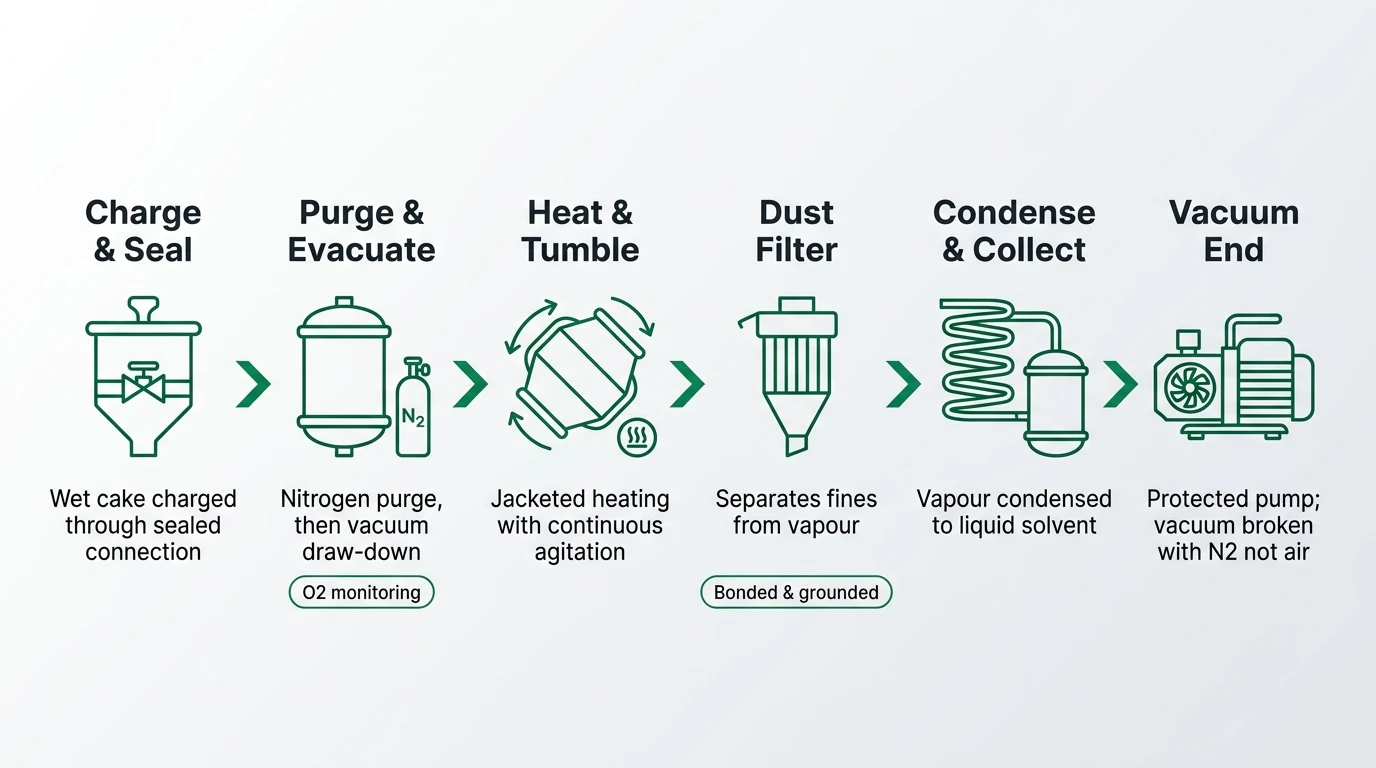
The 6 proven steps of a closed-loop solvent recovery cycle
Step 1 — Charge and seal
Wet cake, paste or filtered solids are charged into the jacketed vessel through a sealed connection. For flammable solvents, the charging route itself is part of the containment: an open manway charge lets air into a vessel that will shortly contain solvent vapour. Grounding and bonding of the charging line, the vessel and the operator are established at this point, because static discharge is a live ignition source with dry organic powders.
Step 2 — Purge and evacuate
Before heat is applied, the vessel is purged — typically with nitrogen — and then evacuated. The order matters. Purging first displaces the bulk of the oxygen; evacuating then removes what remains and establishes the working pressure. Where the solvent and product combination is genuinely hazardous, the process is specified against a minimum oxygen concentration (MOC) target with continuous oxygen measurement and an interlock, so the cycle cannot proceed on a drifting atmosphere.
Step 3 — Heat and tumble
Jacket heating — hot water, low-pressure steam or thermal oil, chosen by the temperature the product tolerates — conducts energy through the vessel wall into the material. Rotation, or an internal agitator, does three things simultaneously: it continuously renews the material surface in contact with the heated wall, it breaks up the crust that otherwise forms and case-hardens the cake, and it evens out the temperature so no fraction of the batch is over-dried while another is still wet.
This is the fundamental advantage of a rotary or agitated vacuum dryer over a static vacuum tray oven. In a static oven, the material dries from the surface inward, the surface skins over, and solvent trapped underneath has no easy escape path — so residual solvent stays high and cycle times stretch. Tumbling keeps the mass transfer path short throughout the cycle.
Step 4 — Separate the dust from the vapour
Between the vessel and the condenser sits a filter — usually a sintered metal or cartridge element, frequently with back-pulse cleaning. Its job is to keep product out of the condenser and out of the recovered solvent. Skipping or undersizing this stage causes two failures at once: yield is lost as fines carried into the receiver, and the recovered solvent is contaminated to the point that it cannot be reused without extra treatment. On dusty, low-density powders this stage is often the item that determines whether the recovered solvent is a saleable asset or a waste stream.
Step 5 — Condense and collect
The vapour reaches a condenser cooled by chilled water, glycol or brine, where it returns to liquid and drains to a receiver. Two design details decide the outcome:
- Condenser duty must be matched to the peak vapour load, not the average. Evaporation rate is highest early in the cycle, when free solvent is still present. A condenser sized on the cycle average is undersized for the constant-rate period, and everything it fails to condense goes past it.
- The coolant temperature must be low enough for the solvent in question. Low-boiling solvents such as methanol, acetone or DCM need genuinely cold coolant, and often a secondary condenser or cold trap in series behind the primary. Chilled water that is adequate for a heavier aromatic will not capture a light alcohol.
Step 6 — Protect the vacuum end, and break the vacuum safely
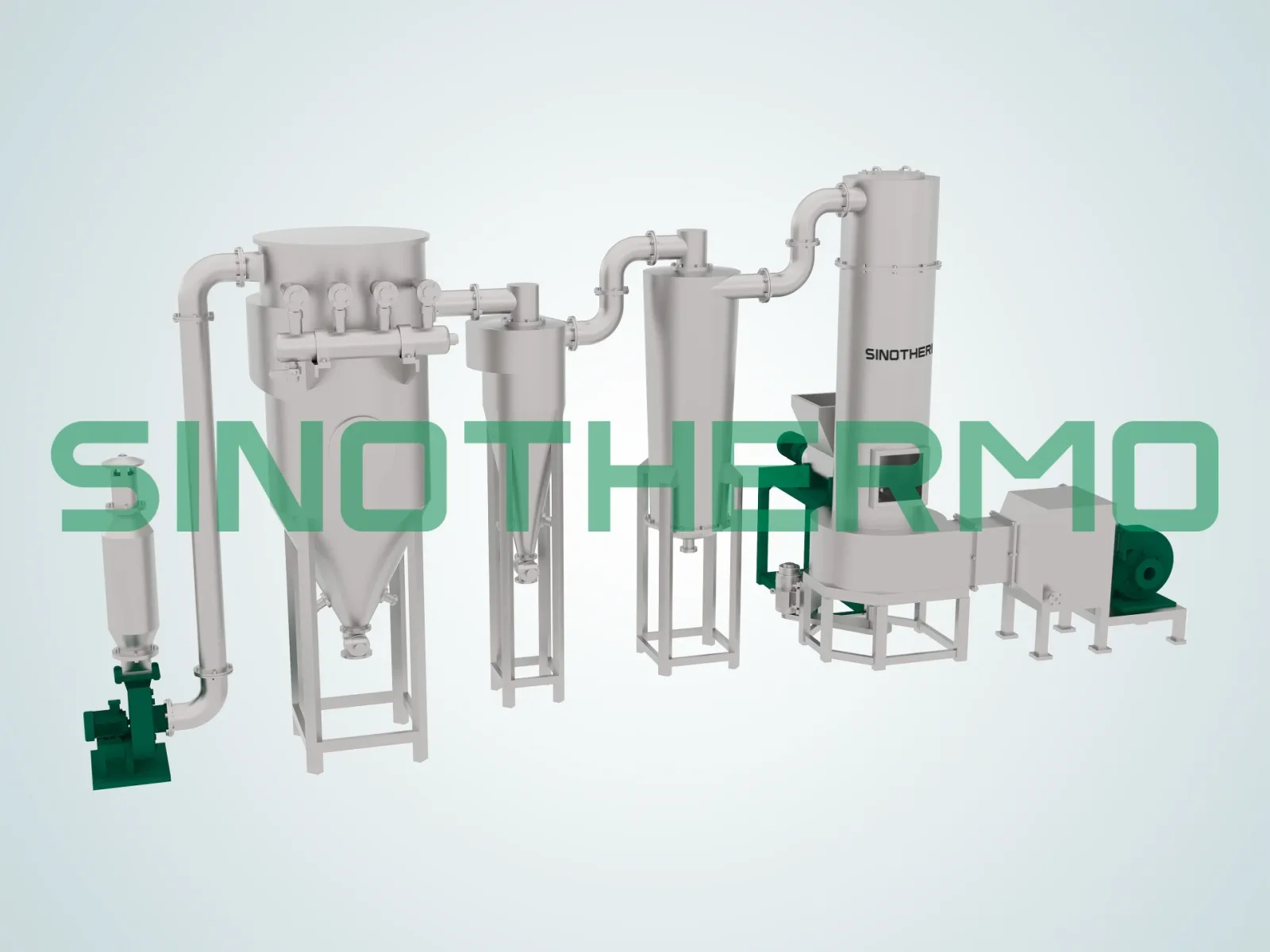
The last element is the vacuum source and everything downstream of the condenser. The pump type has to suit the solvent: a liquid-ring pump using the process solvent as its service liquid, a dry screw pump, or a steam/liquid ejector are all common, and each has different implications for cross-contamination and for the small residual vapour stream leaving the pump. That residual stream still needs a destination — a cold trap, a small carbon bed, or a return into the plant abatement header.
Finally, the vacuum has to be broken with nitrogen, not air. Admitting air into a hot vessel that still contains solvent vapour and a fine dry powder recreates precisely the ignition conditions the whole design was built to avoid. This is a routine and preventable incident cause.
What actually caps your recovery rate
Recovery is a system property. When a plant recovers less than the mass balance predicted, the cause is almost always one of these six, in roughly this order of frequency:
| Factor | What it does | What to do about it |
|---|---|---|
| Condenser duty and coolant temperature | The single most common bottleneck; uncondensed vapour passes straight to the vacuum pump and abatement | Size on peak vapour load; add a secondary condenser or cold trap for low-boiling solvents |
| Air in-leakage | Non-condensable gas blankets the condenser surface and collapses its effective heat transfer | Leak-test the vessel and the whole vacuum circuit as a system; treat seals and valves as pressure-boundary items |
| Vacuum depth and its stability | Sets the boiling point, so it sets the whole temperature regime | Control on pressure, not on time; size the pump for the peak evaporation rate |
| Cake structure and porosity | Dense, plastic or agglomerating cakes trap solvent internally and stretch the falling-rate period | Confirm behaviour in a trial; choose the agitator geometry to suit the cake, not the average case |
| Agitation and surface renewal | Determines how fast fresh material reaches the heated wall | Match the geometry — tumbling, paddle, rake or disc — to the material's rheology through the cycle |
| Residual specification | The last fraction of a percent is always the most expensive | Set the residual limit against what the downstream process genuinely needs |
The second row deserves emphasis. A vacuum system that leaks does not fail loudly. It runs, it pulls a plausible-looking pressure, and it quietly destroys condenser performance because non-condensables accumulate on the cold surface. Plants chase condenser sizing for months when the actual fault is a shaft seal.
Which vacuum dryer geometry? Four options compared
"Vacuum rotary dryer" is used loosely across the industry. In practice four geometries dominate solvent-recovery duty, and the choice is driven by how the material behaves as it dries — not by capacity alone.
| Type | How it moves the material | Best suited to | Watch out for |
|---|---|---|---|
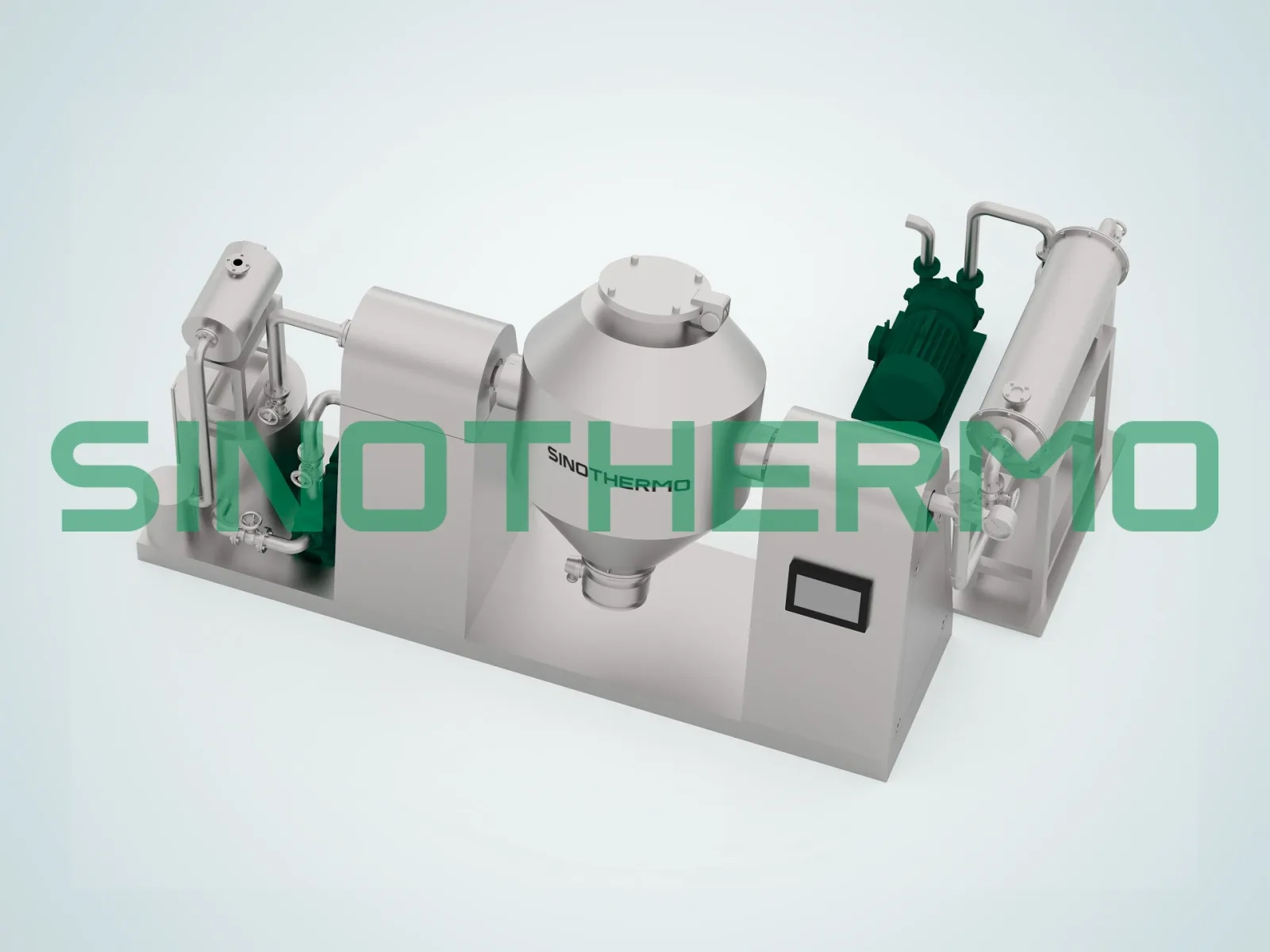
| Double cone rotary vacuum dryer | The whole vessel rotates, tumbling the charge gently | Free-flowing to moderately cohesive powders and granules; batch pharma and fine chemicals; where gentle handling and easy full discharge matter | Rotating vacuum and heating connections; less effective on very sticky or plastic pastes |
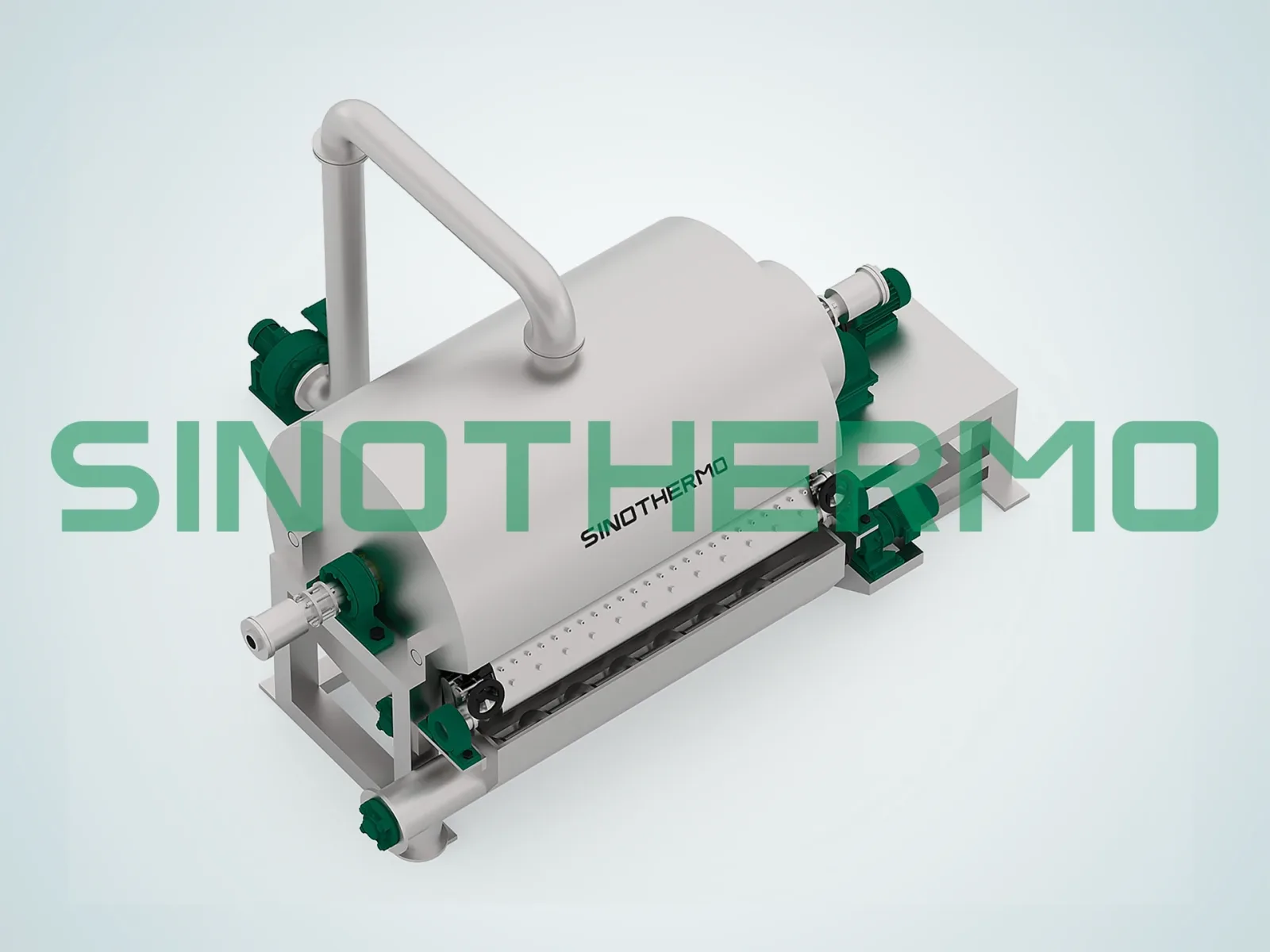
| Vacuum paddle dryer | Fixed horizontal vessel, rotating paddle shaft, often with heated shaft and paddles | High-viscosity pastes and sludges; materials that pass through a sticky phase; large heat transfer area per unit volume | Higher shear — check whether particle size or crystal habit matters downstream |
| Vacuum rake dryer | Horizontal vessel with a raking agitator that scrapes and turns the bed | Cakes that harden or adhere to the wall; duties needing continuous wall scraping to hold heat transfer | Mechanically more demanding; agitator design must match cake strength |
| Vacuum horizontal disc dryer | Heated discs on a rotating shaft, giving very high heated area in a compact vessel | Large batch volumes with a demanding residual spec; where floor area is constrained | More internal surface to clean — check cleanability and changeover needs |
See the full specifications for the double cone rotary vacuum dryer, vacuum paddle dryer, vacuum rake dryer and vacuum horizontal disc dryer.
The paddle and disc geometries are compared in more depth in our paddle and disc dryer guide, and the full vacuum family — including how vacuum equipment differs from convective types such as a rotary drum dryer — is covered in the industrial vacuum dryer guide.
A practical selection path
- 1.Start with the solvent, not the machine. Its boiling point, flammability class and toxicity set the vacuum level, the coolant temperature, the condensing arrangement and the entire safety design.
- 2.Then take the material's rheology across the whole cycle. Most cakes are not one material — they arrive as a wet paste, pass through a sticky phase, and finish as a dry powder. The agitator has to cope with all three states, and the sticky phase is what eliminates most candidates.
- 3.Then set the residual specification. A commercially easy residual and a demanding one can point to different geometries at the same throughput.
- 4.Only then size for capacity. Batch size, cycle time and heated area follow from the three decisions above. Sizing first is how plants end up with a correctly sized machine that cannot handle their cake. Our how to choose an industrial dryer guide sets out the same logic across the wider equipment range.
Safety: inerting, explosion protection and containment
Any solvent-recovery dryer handling flammable organics is a hazardous-area machine. The design elements that recur across projects are consistent:
- Nitrogen inerting throughout — purge before heating, blanket during the cycle, and break the vacuum with nitrogen at the end.
- Oxygen measurement with interlocks, so the inert atmosphere is a controlled condition rather than an assumption.
- Full grounding and bonding of the vessel, agitator, filter, condenser, receiver and charging equipment. Dry organic powder generates static, and static is the ignition source that inerting is protecting you against.
- Zone classification and certified instrumentation appropriate to the region — ATEX in Europe, NEC/NFPA practice in North America, and the corresponding national standards elsewhere. Confirm the applicable framework early; it affects motor, instrument and control selection.
- Containment for toxic or potent products, where the dryer becomes a closed-transfer system: charging and discharge must be designed for containment, not adapted for it later.
For solvent-wet powders that are also combustible and conductive — recycled battery black mass is the clearest current example — the atmosphere and explosion case is inseparable from the drying design. That combination is covered specifically in our article on black mass drying and solvent recovery.
Where this equipment is used
- Fine chemicals and pharmaceuticals — solvent-wet filter cakes and intermediates from crystallisation, extraction and washing steps, where product quality, residual solvent limits and GMP cleanability all apply at once.
- Battery materials and recycling — recovering electrolyte solvents such as DMC and EMC from recycled black mass, and NMP from electrode-related process residues, alongside moisture removal under an inert atmosphere.
- Agrochemicals, dyes and pigments — heat-sensitive organics where colour, crystal form or particle size must survive the drying step intact.
- Specialty chemicals and catalysts — any process where the solvent has real recovery value, or where a permit requires capture rather than venting.
Common mistakes to avoid
- Buying a dryer and treating the recovery system as an accessory. The condenser, receiver, vacuum pump and vent treatment are not peripherals — they determine your recovery rate. Specify them together with the dryer, from the same mass and energy balance.
- Sizing the condenser on the average evaporation rate. The constant-rate period at the start of the cycle sets the peak vapour load. A condenser sized on the average is undersized exactly when it matters most, and the shortfall goes out through the vacuum pump.
- Ignoring non-condensables and air in-leakage. A small, undramatic leak degrades condenser performance out of all proportion to its size. Leak-test the vessel and the entire vacuum circuit as one system before blaming the condenser.
- Assuming vacuum alone makes flammable solvents safe. Vacuum removes most of the oxygen, but charging, discharge and vacuum-breaking are all points where air can re-enter. Nitrogen purge, oxygen interlocks, grounding and a proper zone classification stay in scope.
- Choosing the geometry from the wet feed alone. Material that starts as a pumpable paste often passes through a sticky phase before it becomes a free-flowing powder. An agitator specified for the wet state can stall or blind in the middle of the cycle.
- Scaling from a laboratory tray-oven test. A static tray oven has no surface renewal and no wall scraping, so it tells you almost nothing about the cycle time or the residual solvent an agitated production dryer will achieve. Scale-up needs data from an agitated vacuum trial.
Prove the recovery rate before you specify it
The two numbers that decide whether a solvent-recovery project succeeds — the cycle time to reach your residual specification, and the fraction of solvent you actually get back as reusable liquid — cannot be calculated from a datasheet. They depend on your cake structure, your solvent mixture, and how the material behaves through its sticky phase.
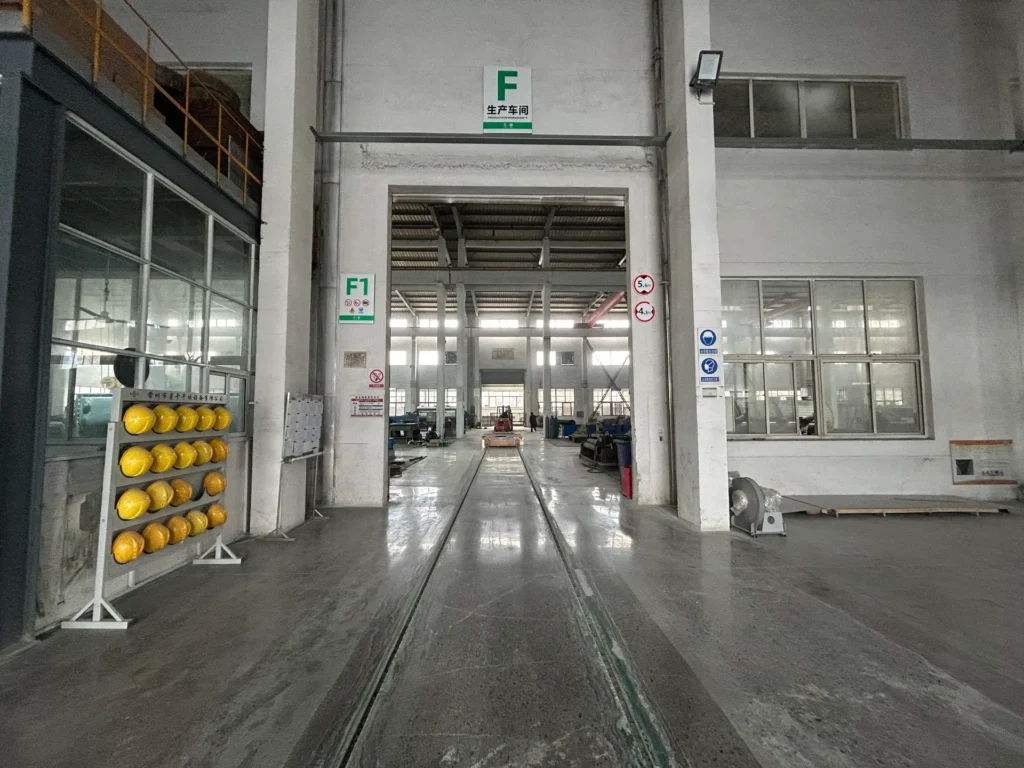
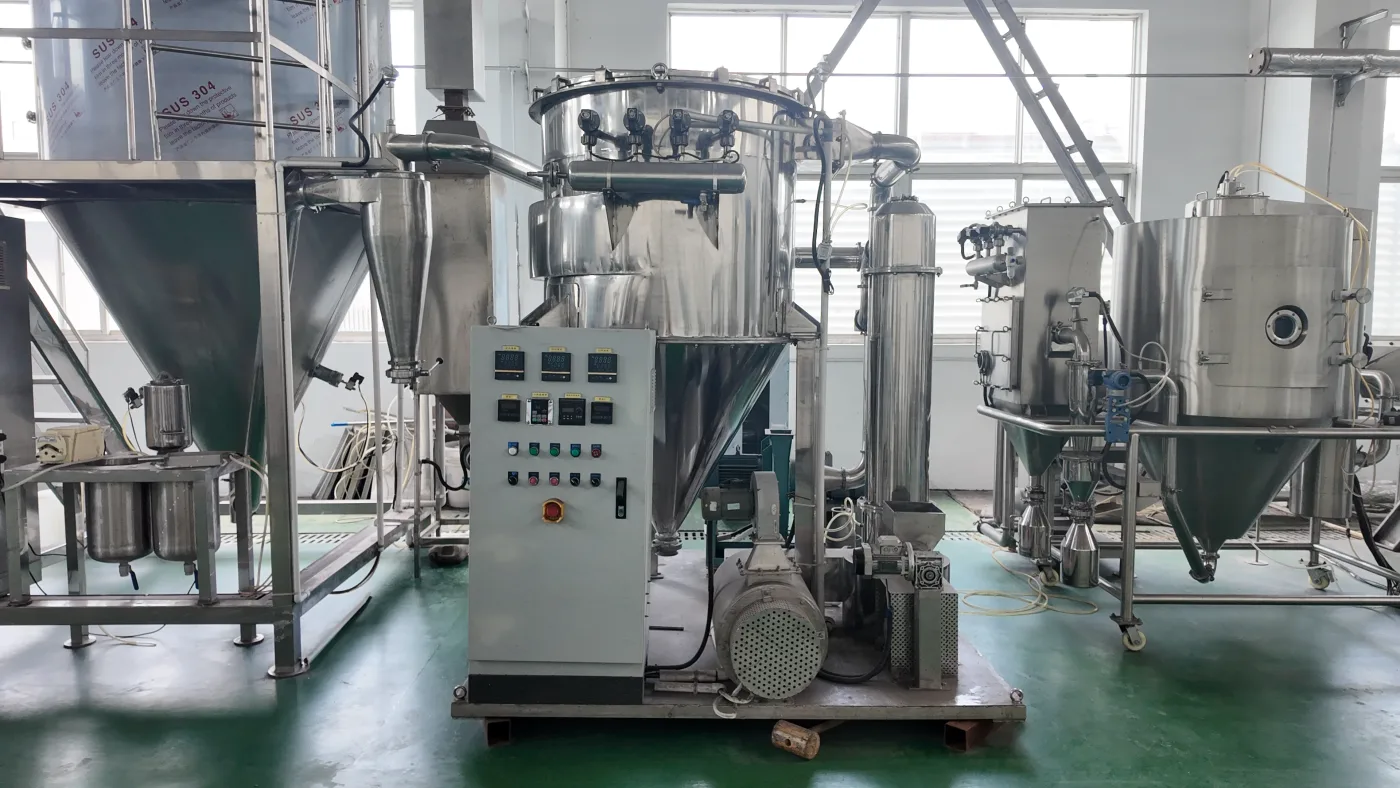
That is why SINOTHERMO runs an in-house pilot laboratory: bring your solvent-wet cake, paste or powder and trial it before you commit to a design. We run the drying curve under vacuum, measure the residual solvent against cycle time, watch how the material behaves as it transitions from paste to powder, and confirm the vapour load so the condensing train is sized on real data rather than an assumption. Where the material is flammable or oxidation-sensitive, the trial runs inerted, so the safety case is validated on your material too.
Backed by 20+ years of experience in industrial drying and deep customisation capability, our engineers use that trial data to specify the vessel, the agitator geometry, the heat transfer area, the filter, the condenser duty and the vacuum end as one coherent system. You can see the facility on our testing lab page, or talk to an engineer about a trial.
SINOTHERMO — Process Engineering Infrastructure. We solve the process problem, not just sell a machine.
Conclusion
A vacuum rotary dryer recovers solvent because vacuum lowers the boiling point and a sealed vessel produces a small, concentrated vapour stream that is genuinely easy to condense. But the recovery rate you actually achieve is set by the whole loop — the seal integrity, the dust filter, the condenser duty, the coolant temperature, the vacuum end and the way the vacuum is broken. Specify those six together, choose the geometry from how your material behaves through its sticky phase rather than from throughput alone, and validate both on your own feed before the design is frozen.
Have a solvent-wet cake or paste to dry, and need the solvent back? Send us a sample: our pilot lab confirms the vacuum level, the temperature window, the cycle time and the achievable recovery rate for your material — before you commit to a machine.
✉️ mark.gu@sinothermo.com · 📱 WhatsApp: +86 180 2197 2660 · 🌐 www.sinothermo.com
SINOTHERMO — Process Engineering Infrastructure.
FAQ
How does a vacuum rotary dryer recover solvent?
It evaporates the solvent from the wet material under reduced pressure, so the solvent boils at a much lower temperature than it would at atmospheric pressure. The vapour is drawn out of the sealed vessel, passed through a dust filter, and condensed back to liquid in a cooled condenser, then collected in a receiver for reuse instead of being vented.
Why use vacuum instead of hot-air drying for solvent recovery?
Vacuum lowers the solvent's boiling point, so the product is dried without the high temperature that would degrade it. Just as importantly, a vacuum dryer produces a small volume of nearly pure solvent vapour, which is easy and cheap to condense, whereas a hot-air dryer dilutes the same solvent in a large air stream that is expensive and inefficient to recover from.
What determines how much solvent I can actually recover?
The most common limits are condenser duty and coolant temperature, air in-leakage into the vacuum circuit, vacuum depth and stability, and the cake's structure and porosity. Undersized condensers and small leaks are the two faults found most often, because both let uncondensed vapour pass through to the vacuum pump. A pilot trial on your actual material is what confirms the achievable recovery rate.
Can a vacuum rotary dryer handle flammable solvents safely?
Yes, when the whole system is designed for it. Standard practice combines nitrogen purging before heating, an inert blanket during the cycle, oxygen measurement with interlocks, full grounding and bonding against static, hazardous-area classification with certified instrumentation, and breaking the vacuum with nitrogen rather than air at the end of the cycle.
Which vacuum dryer type is best for solvent recovery — double-cone, paddle, rake or disc?
It depends on how the material behaves as it dries rather than on throughput. A double cone rotary vacuum dryer suits free-flowing to moderately cohesive powders and gentle handling; a vacuum paddle dryer suits viscous pastes and materials with a sticky phase; a vacuum rake dryer suits cakes that harden or stick to the wall and need continuous scraping; a vacuum horizontal disc dryer suits large batches with a demanding residual specification in a compact footprint.
Can I recover more than one solvent separately from the same batch?
Sometimes. Where the components have sufficiently different vapour pressures, staging the vacuum level and jacket temperature can preferentially remove one before the other, giving partially separated fractions. How clean that separation is depends entirely on the specific mixture, so it must be verified by trial rather than assumed at the design stage.

Mark Gu
Passionate about enhancing customer experiences and streamlining operations, Mark focuses on building strong relationships, fostering innovation, and leading teams to achieve exceptional service and efficiency.
Email: mark.gu@sinothermo.com
Phone: +86 18021972660