Vibrating Dryer
Vibrating dryers use mechanical vibration to move and agitate material across the drying bed, promoting even heat transfer and continuous throughput for granular and powder products.
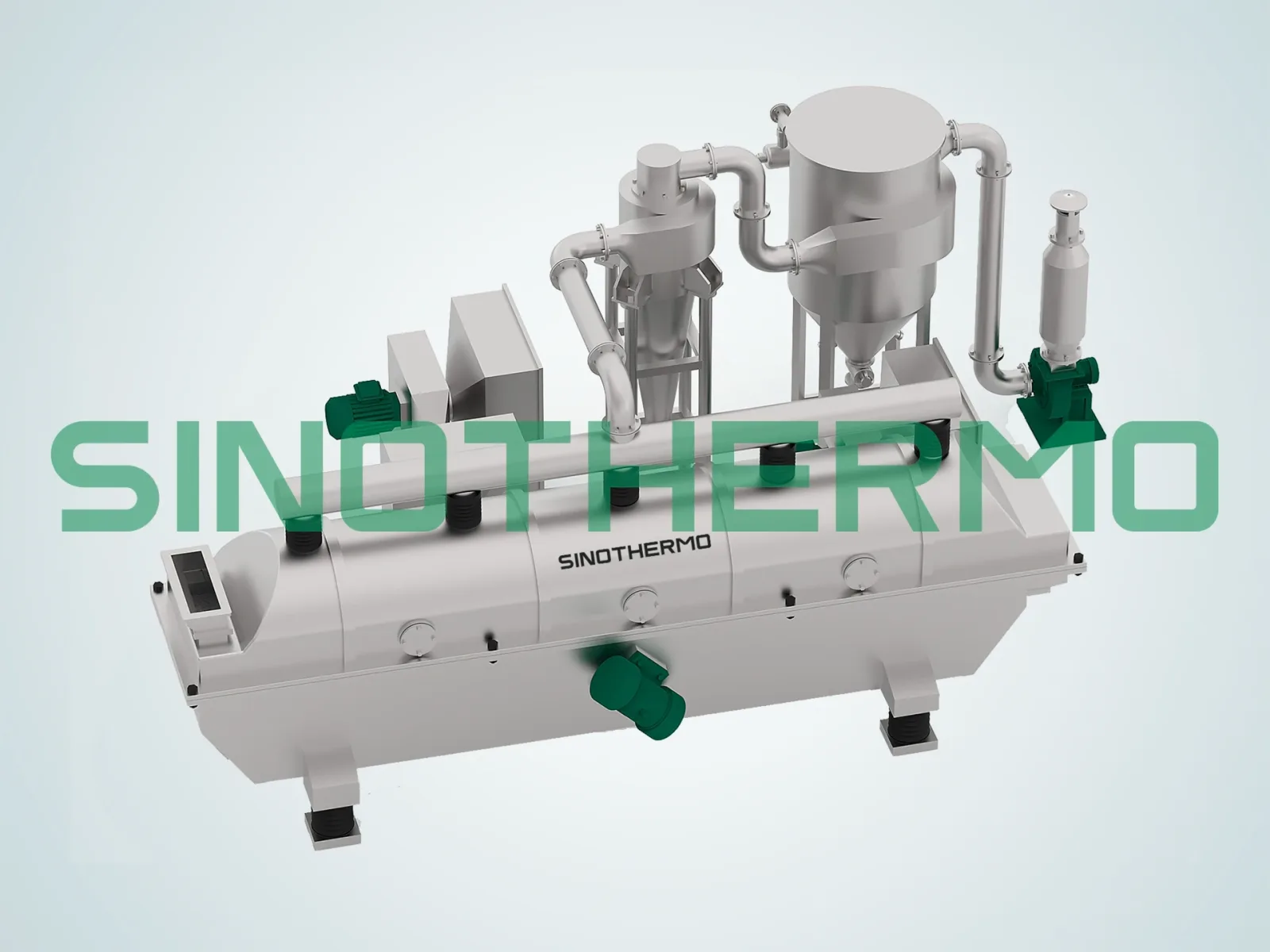
ZLG-Horizontal Vibrating Fluidized Bed Dryer
Categories: Convection Dryer, Fluidized Bed Dryer, Vibrating Dryer
Continuous Drying Solution for Granular Materials:
Operating on the principle of fluidization combined with vibration, the Vibrating Fluid Bed Dryer processes granules by circulating them on heated air that dries them evenly. This approach minimizes surface damage, prevents pollution thanks to its enclosed design, and gives granules time to settle — facilitating stable, continuous production.
- Input:
- Granules with moisture content < 20%
- Output:
- Granules with 1%–5% moisture content
- Temperature:
- Inlet air temperature < 200°C
- Additional Feature:
- Cooling
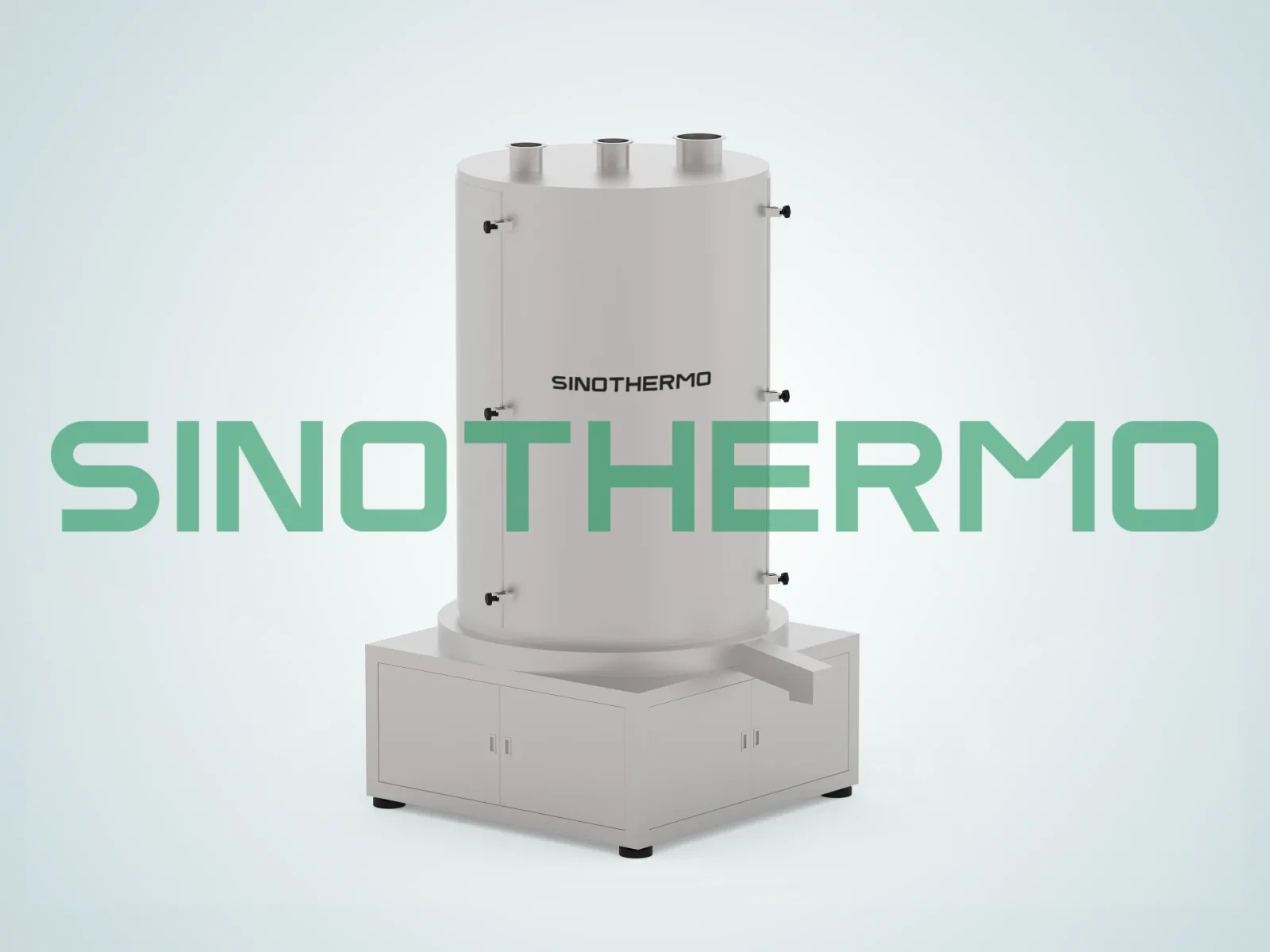
LZG-Spiral Vibrating Dryer
Categories: Convection Dryer, Vibrating Dryer
Method for Drying Pellets and Granules:
The Spiral Vibrating Dryer dries materials by using centrifugal vibration and gravity to move them in a bouncing path from top to bottom along a spiral bed. Fresh hot air enters from below, interacting thoroughly with the material for heat and mass transfer before leaving through the top — ensuring even drying.
- Input:
- Granular, short-rod and spherical solids with < 20% moisture
- Output:
- Granules, short rods and spheres with 3%–5% moisture
- Temperature:
- Inlet air temperature < 100°C
- Additional Feature:
- Cooling
Horizontal and Spiral Vibrating Bed Drying
The ZLG horizontal vibrating fluidized bed dryer combines mechanical vibration with fluidizing air to move granular material across a flat bed, while the LZG spiral vibrating dryer lifts material along a helical path for a compact, multi-stage drying footprint — both giving continuous, even heat transfer.
Advantages of Vibration-Assisted Drying
Vibration keeps material moving even at lower air velocities, reducing energy use versus pure fluidized-bed designs. Suited to granular and powder products prone to caking or uneven settling on a static bed. The spiral configuration saves floor space where vertical layout is preferred over a long horizontal bed.